
Landscape — History & Facts
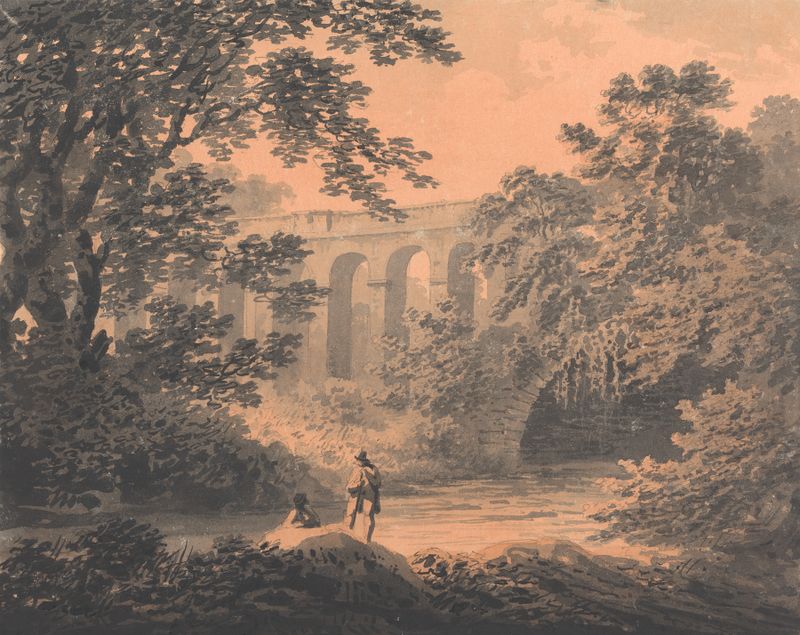
Can paint confess what words never could? In Landscape, the shadows dance across the canvas, whispering secrets of the land that remain unspoken. Look to the left at the gentle curve of the hills, bathed in soft greens and browns that evoke a serene yet profound stillness. The light filters through the clouds, casting delicate shadows that stretch and bend, uniting the elements of earth and sky. Notice how the horizon line is drawn low, allowing the viewer to immerse themselves in the expansive sky, rich with hues that shift from warm golds to cool blues—a testament to the changing mood of nature itself. Beneath the tranquil surface, hidden tensions arise.
The interplay of light and shadow suggests not just the beauty of the landscape, but the transience of time, as fleeting moments are captured in the artist’s brushstrokes. The gentle gradients create a contrast between the solidity of the earth and the ethereal quality of the heavens, evoking an emotional resonance that speaks to introspection and the passage of seasons. In 1765, William Gilpin was exploring the poetic potential of landscape painting amidst the broader Romantic movement in England. Influenced by the burgeoning appreciation for nature and its representation, he sought to elevate the genre beyond mere documentation.
At this time, the artist was also engaged in his significant role as a clergyman and writer, which enriched his vision and understanding of the natural world as a reflection of human experience.
More Artworks by William Gilpin
Browse all →
Bridgnorth Bridge, Shropshire
William Gilpin
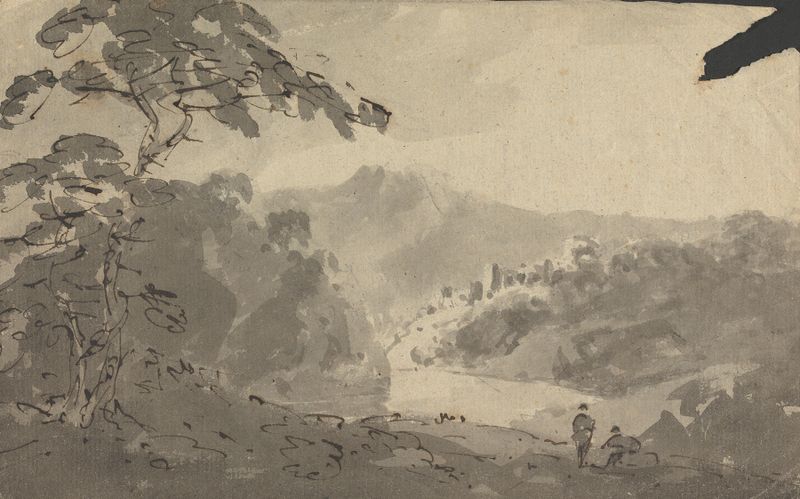
Two Men Looking Into Landscape with Castle, River and Mountain Scene
William Gilpin
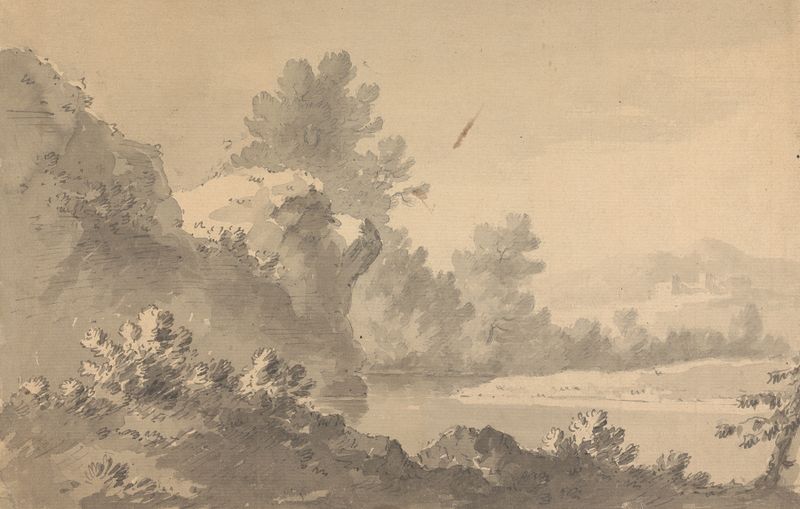
River Landscape with Castle in the Distance
William Gilpin
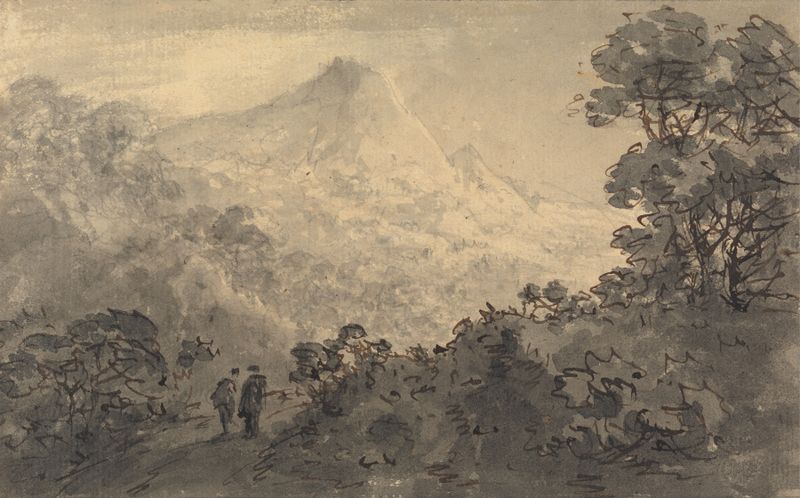
Snowdon
William Gilpin

Hilly Landscape
William Gilpin
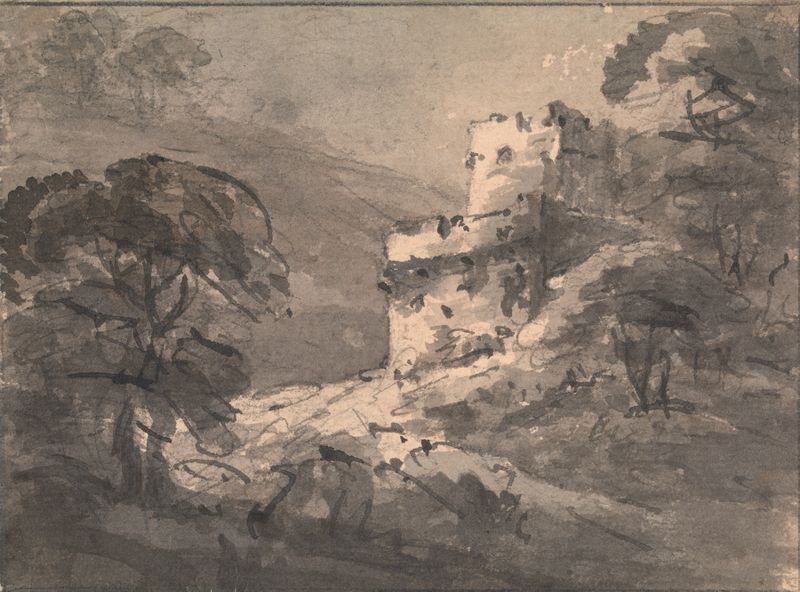
Landscape with a Ruined Castle on the Right
William Gilpin

Mountainous Landscape with Trees – High Crags to the Right
William Gilpin

View of Castle Ruin
William Gilpin
Bridge on the Malton Road from York
William Gilpin

Landscape with Two Trees and Castle
William Gilpin





