Landscape — History & Facts
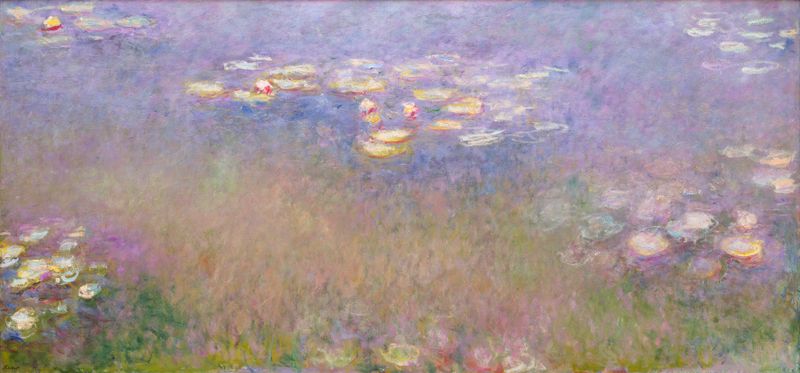
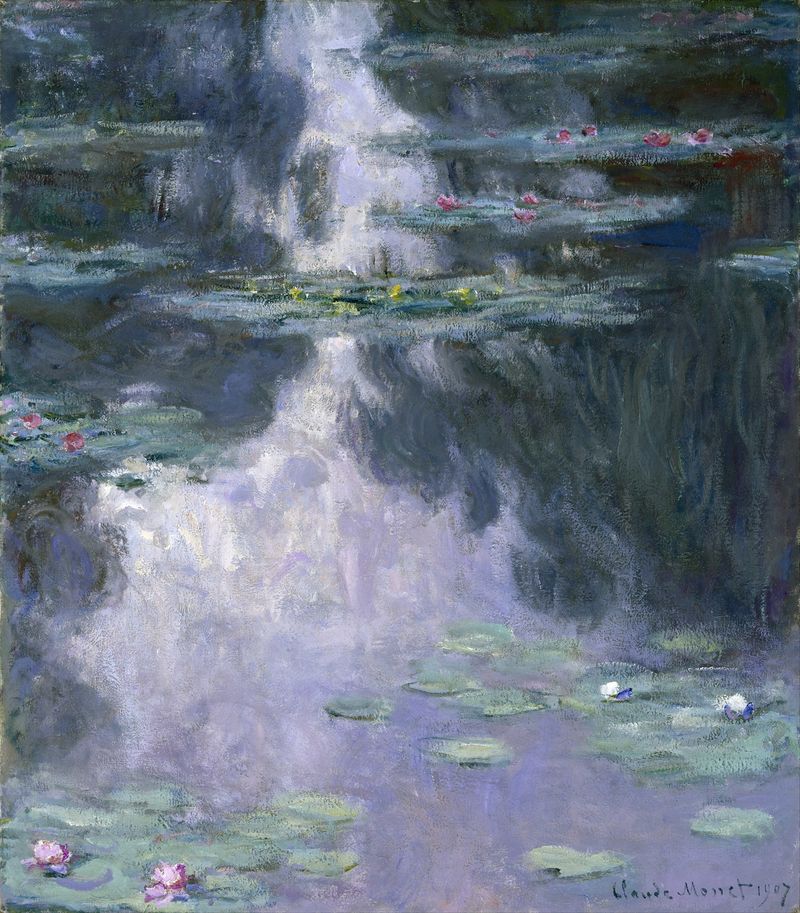
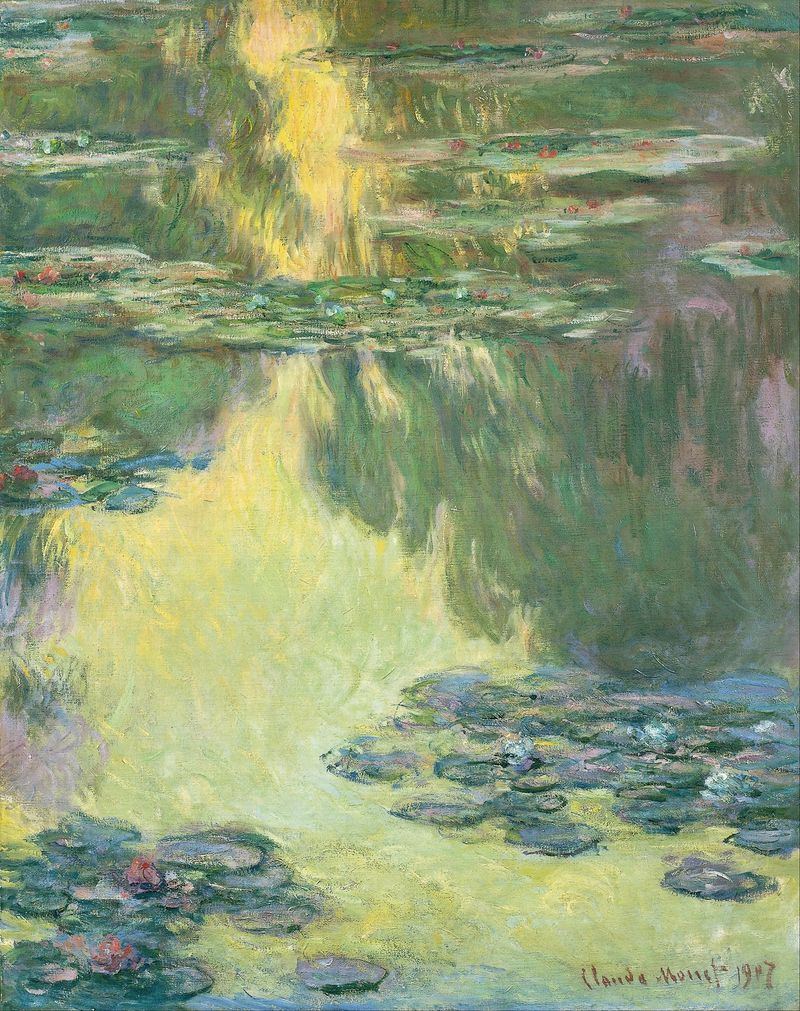
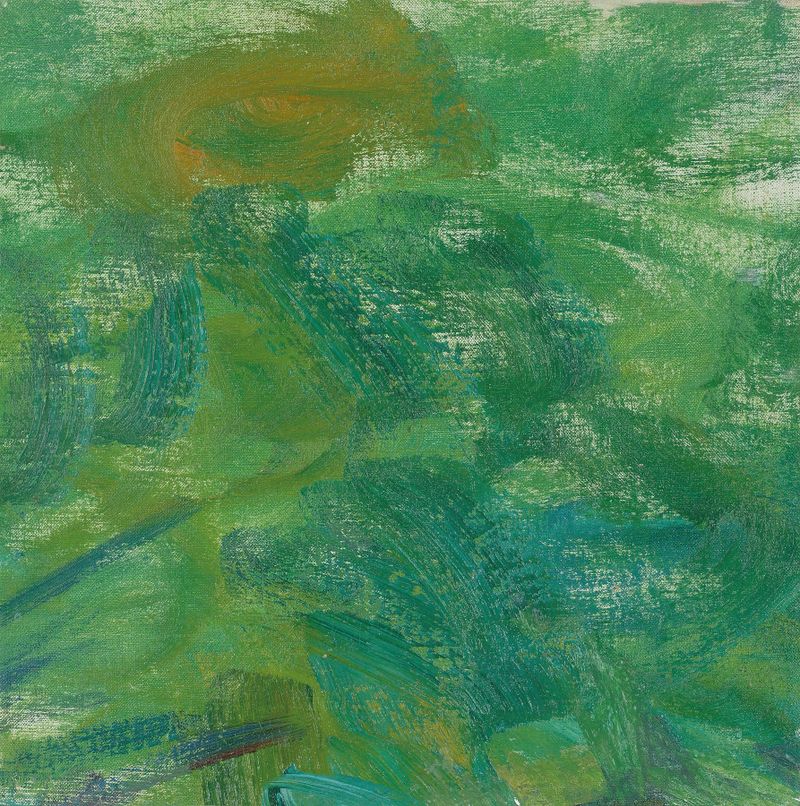
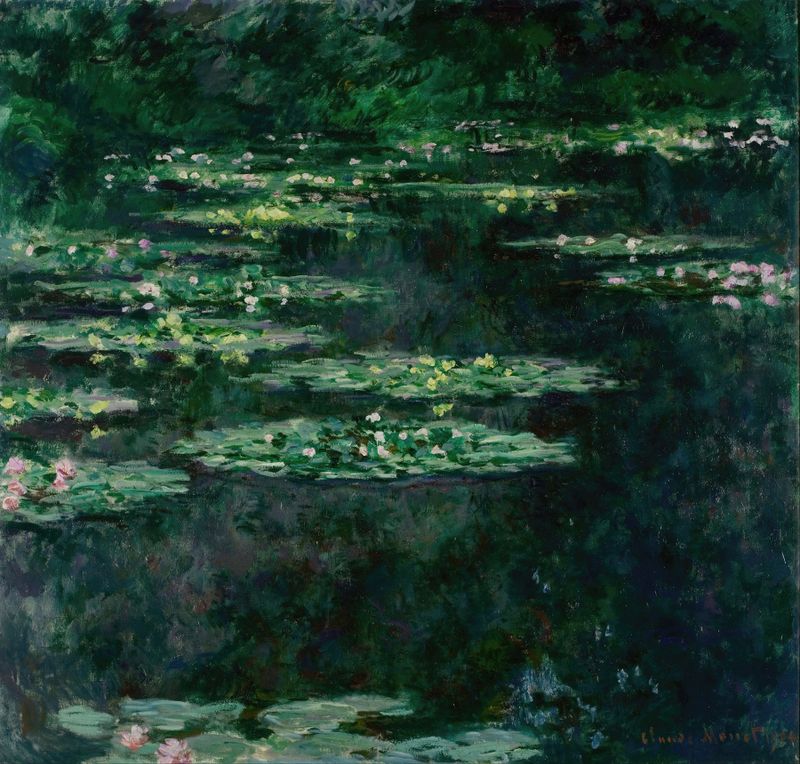
Is this a mirror — or a memory? A stillness pervades the canvas, where nature’s hues clash and blend, revealing both beauty and the underlying violence of emotion. Focus on the vibrant strokes of green and blue that swirl together, inviting your gaze into a soft embrace. Notice the interplay of light as it dances across the surface, creating a shimmering effect that suggests movement beneath the tranquil exterior. The bold brushwork evokes a sense of fleeting moments, while the gentle contrast between the foreground and the distant horizon draws you deeper into the landscape’s embrace. Yet, beneath the serenity lies a tension, a reminder of what is often left unspoken.
The brushstrokes pulse with energy, hinting at nature’s capriciousness — beauty accompanied by an unpredictable undercurrent. Areas of darkness encroach upon the lighter sections, suggesting a struggle that could erupt at any moment, reflecting the artist's own internal conflicts. This juxtaposition of tranquility and potential violence encapsulates both the peace found in nature and the chaos that lurks within human experience. In the mid-1860s, the artist was immersed in the evolving Impressionist movement, painting in the lush surroundings of France.
During this period, Monet sought to capture light and atmosphere, while grappling with personal struggles and the shift in art from realism to abstraction. It was a transformative time, both for him and for the world of painting, as he navigated the fine line between the visible and the imagined.