
Landscape — History & Facts
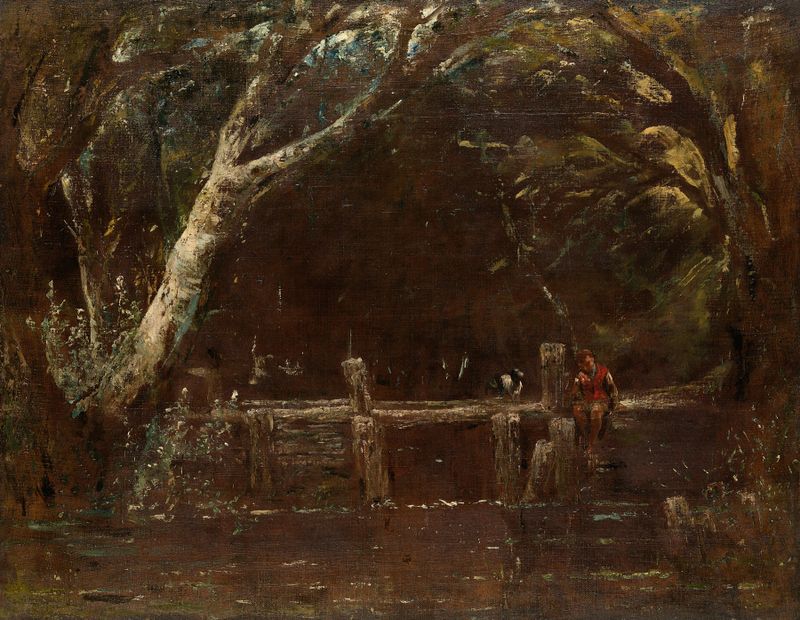
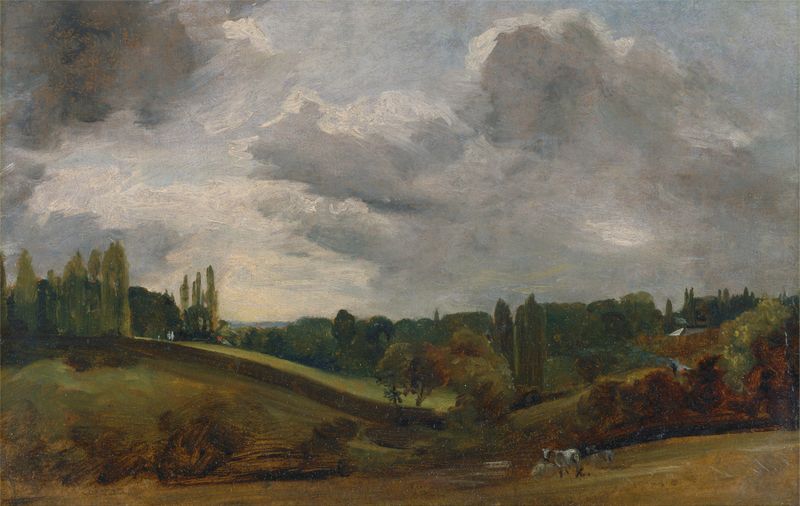
What if silence could speak through light? In John Constable’s Landscape, the quietude of nature holds its breath, concealing beneath a tranquil surface the potential for violence. Look to the center, where a serene clearing unfolds beneath a vast sky, heavy with tumultuous clouds. The brushwork is both tender and fierce, with soft greens and browns juxtaposed against the darkening blues of the sky. Notice how the sunlight filters through the clouds, casting an ethereal glow on the landscape, illuminating the innocent beauty while hinting at the storm brewing above.
The composition is anchored by strong lines in the foreground, leading the viewer's eye towards the horizon where natural serenity teeters on the edge of chaos. Beneath the calm, the tension builds. While the scene is undeniably peaceful, the swirling clouds and ominous light cultivate a sense of unease, as if the tranquility is merely a façade masking an impending upheaval. The trees, though stately, lean in a way that suggests they are bracing for impact, embodying both the beauty and ferocity of nature.
This duality echoes the artist's own struggles, revealing an underlying conflict between artistic expression and the raw power of the elements. During the period from 1796 to 1837, Constable painted this work amidst the evolving landscape of England's Romantic movement. This era was marked by a growing appreciation for nature and emotion in art, and he was inspired by the lush English countryside surrounding him. The artist grappled with the balance between representing the idyllic beauty of nature and acknowledging its darker, more violent forces, reflecting the tumultuous changes in both his life and the world around him.
More Artworks by John Constable
Browse all →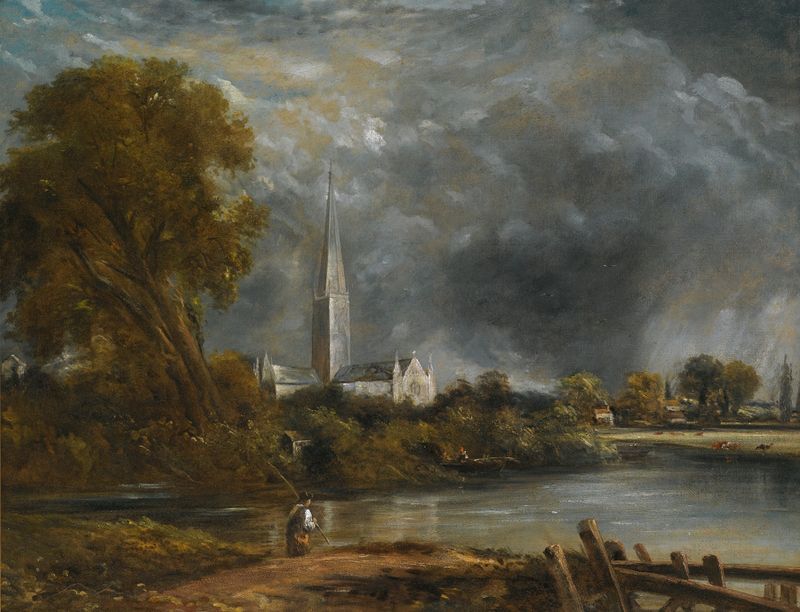
Salisbury Cathedral From The Meadows
John Constable
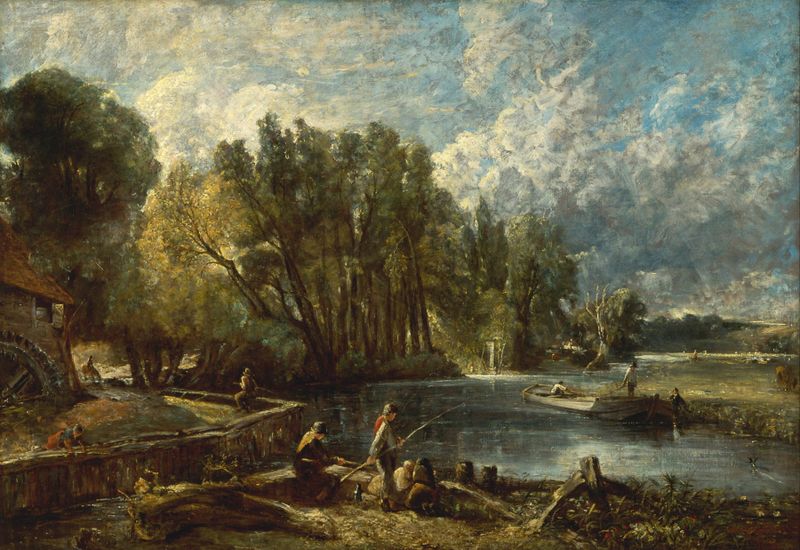
Stratford Mill
John Constable
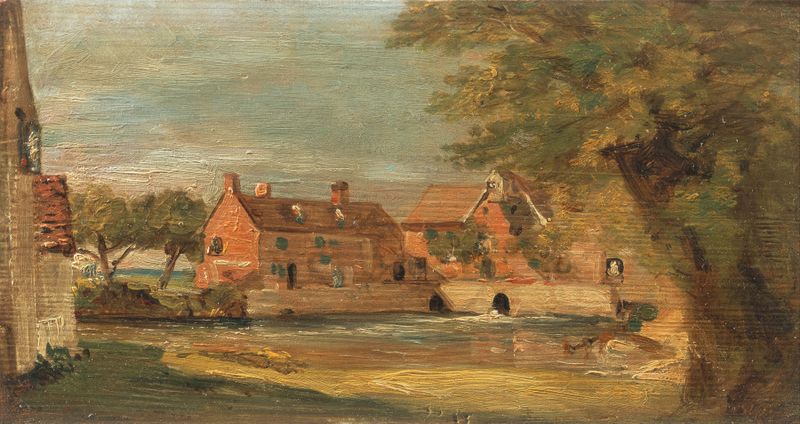
Flatford Mill
John Constable
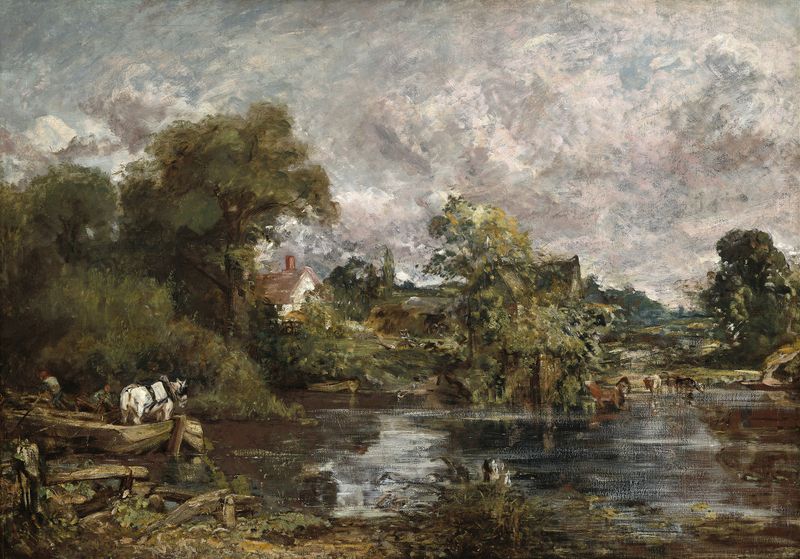
The White Horse
John Constable
Landscape (The Lock)
John Constable
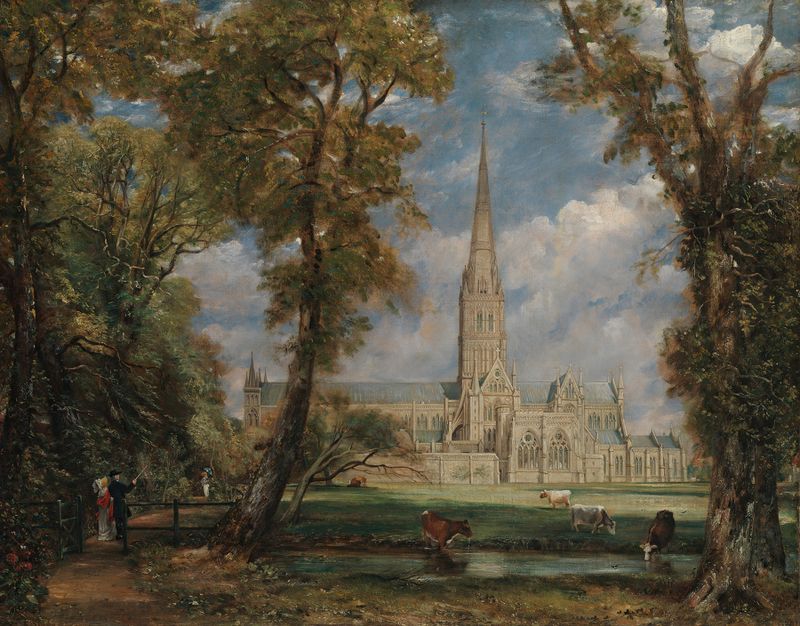
Salisbury Cathedral from the Bishop’s Grounds
John Constable
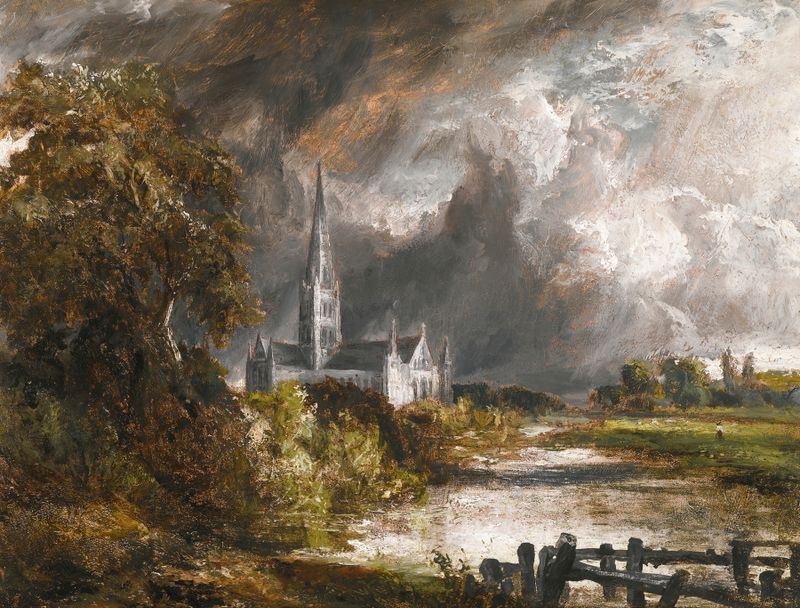
Salisbury Cathedral From The Meadows
John Constable
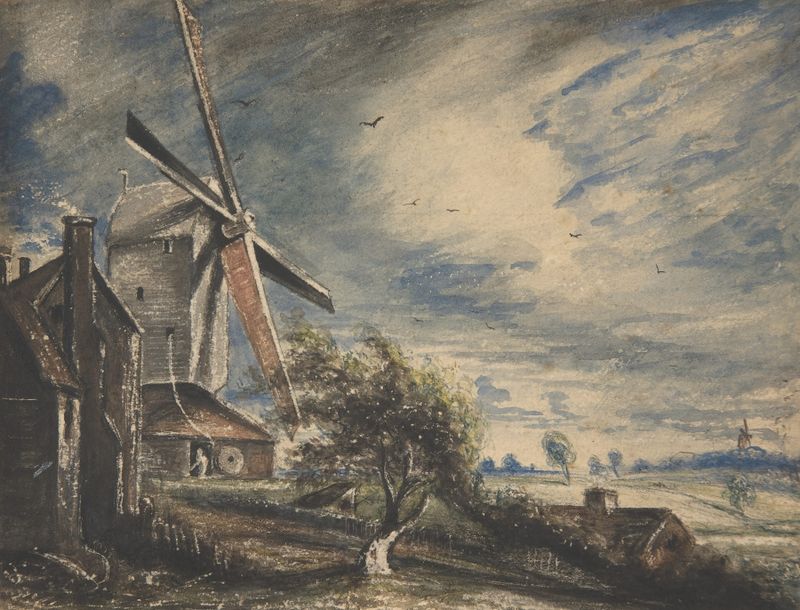
A Mill Near Colchester
John Constable
East Bergholt
John Constable

Flatford Mill
John Constable





