
Landscape — History & Facts
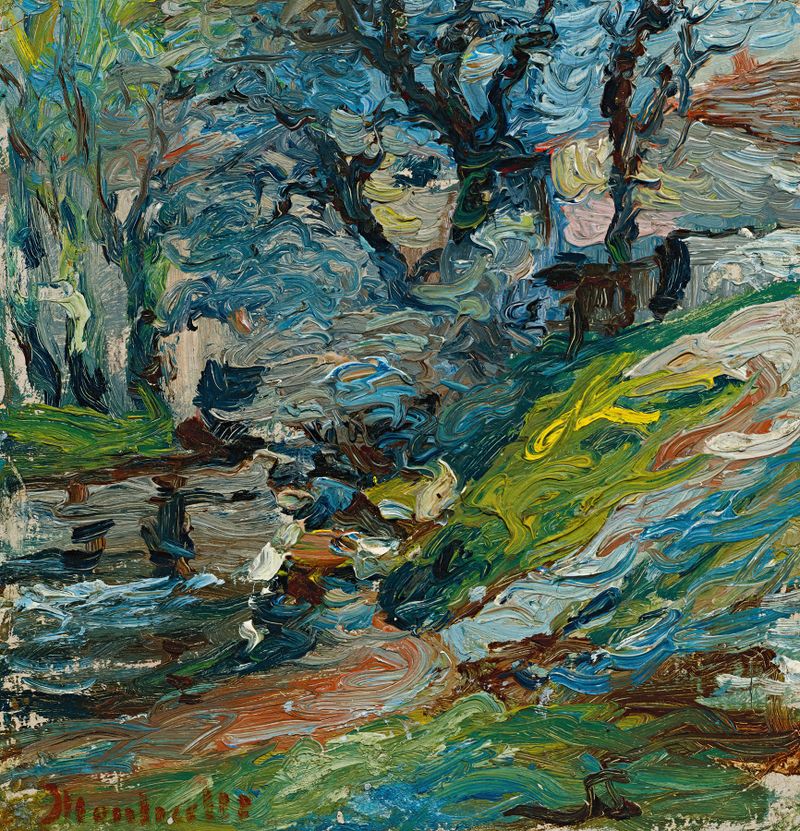
In the dreamlike haze of color and form, the landscape unfolds as a meditation on nature’s profound tranquility and unadulterated beauty. Look to the left, where gentle hills rise and fall like the soft whispers of a lullaby, their verdant slopes lushly painted with thick, textured brushstrokes. Notice how the vibrant greens meld seamlessly with bursts of golden sunlight, creating an ethereal glow that seems to breathe life into the scene. The sky, a swirling blend of blues and soft whites, invites the viewer to float in its expansive embrace, while the horizon stretches infinitely, hinting at the mysteries beyond. In this serene composition, contrasts abound—between the tangible and the ethereal, the chaos of life and the peace of solitude.
The thick application of paint elicits a tactile response, drawing the viewer into a world where reality blurs into a dream, suggesting a fleeting moment of both beauty and reflection. The delicate interplay of light and shadow evokes a sense of longing, as if the landscape is not merely a setting but a doorway to deeper emotional landscapes within ourselves. Created in the 19th century, when Monticelli was immersed in the vibrant art scene of France, Landscape emerged during a transformative period for the artist. He was inspired by the Romantic movement’s emphasis on emotion and nature, while also navigating the complexities of his personal life.
His works often reflected a desire to escape into a world of imagination, embracing an avant-garde spirit that resonated with the changing tides of the art world around him.
More Artworks by Adolphe Monticelli
Browse all →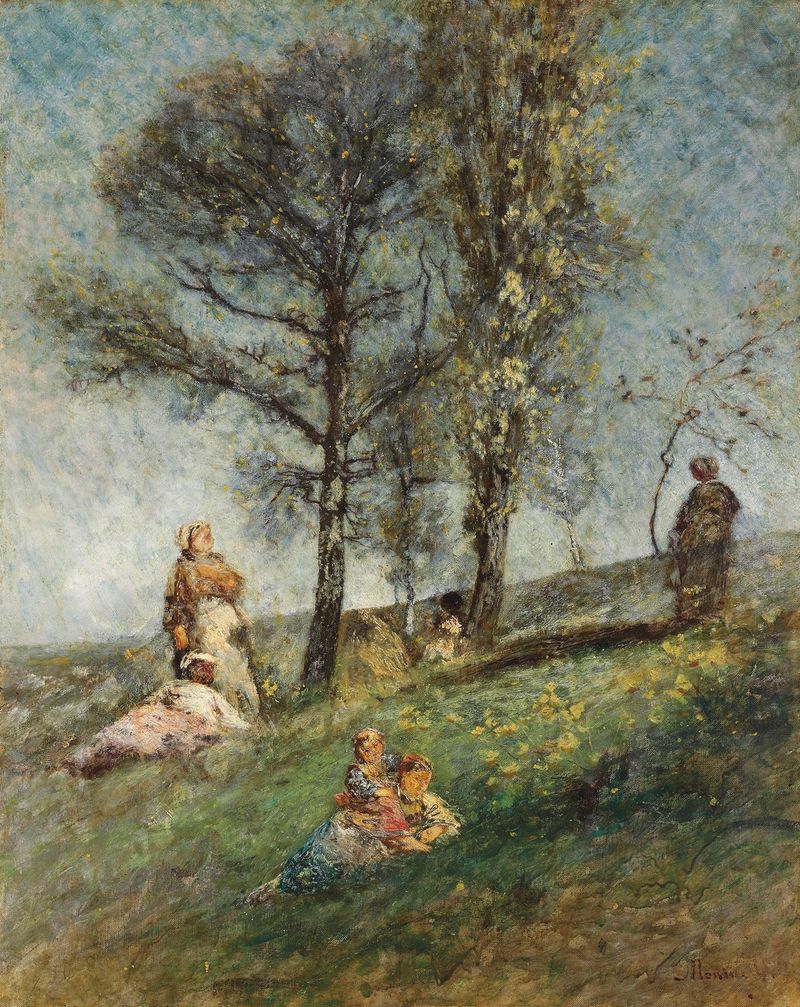
A Young Family Under Trees On A Hill
Adolphe Monticelli
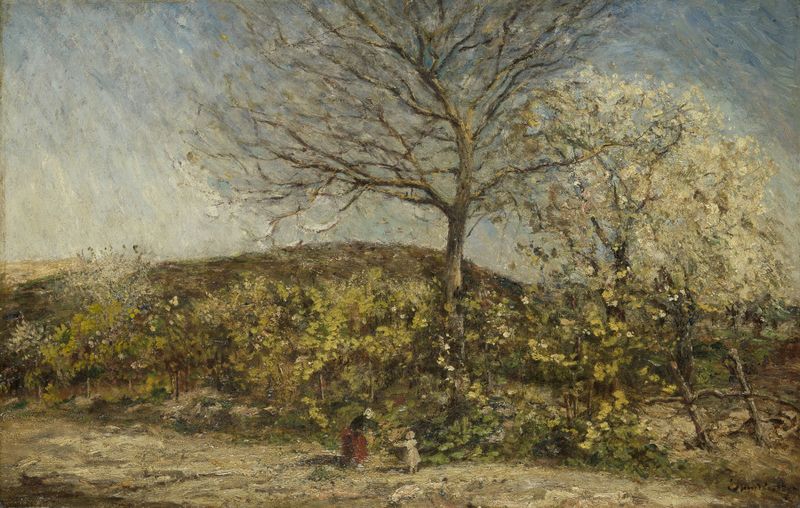
Landschap met bloeiende boomgaard
Adolphe Monticelli

Paysage
Adolphe Monticelli
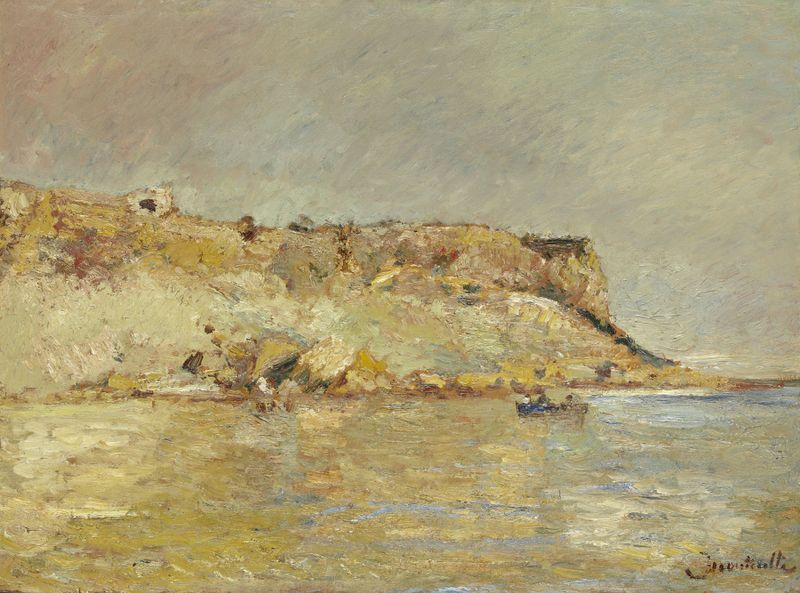
Coastal Mountains
Adolphe Monticelli

Landscape with Figures
Adolphe Monticelli
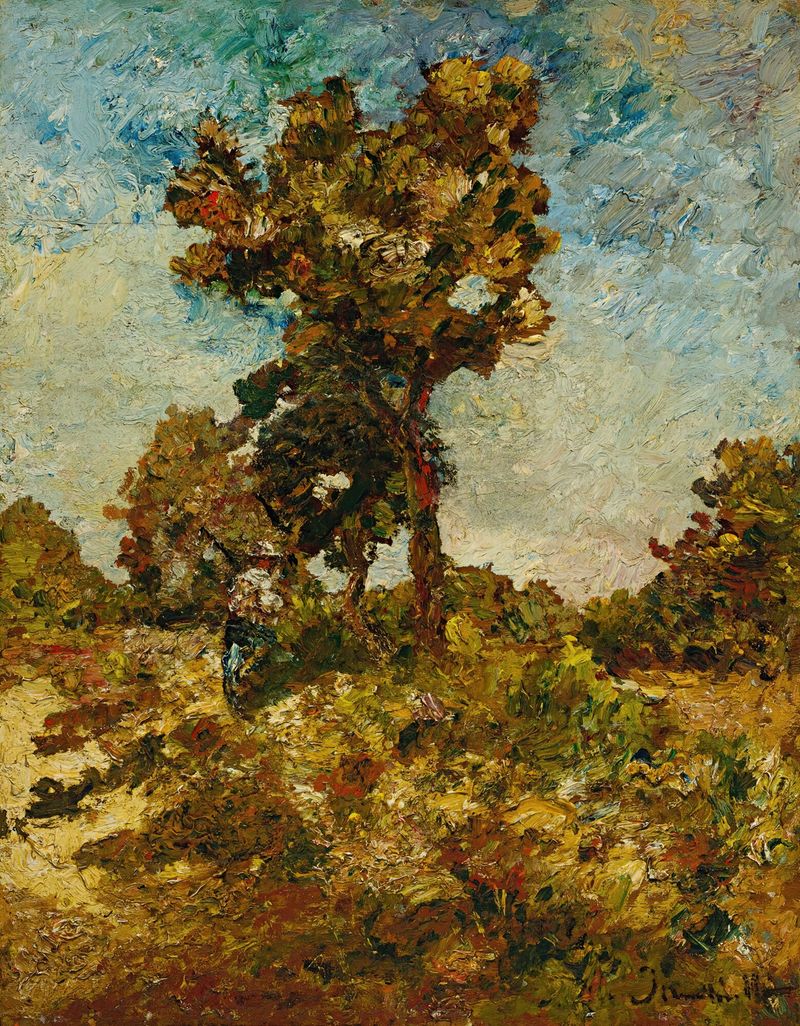
Les Arbres
Adolphe Monticelli

Paysage animé de petits personnages
Adolphe Monticelli
Au Bord De La Rivière, Marseilles
Adolphe Monticelli

Autumn
Adolphe Monticelli

Restaurant Bernard in Estaque
Adolphe Monticelli





