
Landschap met bloeiende boomgaard — History & Facts
Each brushstroke in this landscape whispers the quiet yet profound act of creation, where nature’s disorder transforms into serene beauty. Look to the foreground where vibrant blossoms burst forth, their bright pinks and whites seemingly alive against a backdrop of lush greens. Notice how the artist captures the light cascading through branches, illuminating petals with an ethereal glow. The dynamic brushwork creates a sense of movement, as if the wind gently stirs the scene, inviting the viewer to step into this blossoming realm. Beneath this joyous surface, deeper emotions intertwine: the fleeting nature of beauty, the cycle of life, and the artist's yearning for permanence amid transience.
The juxtaposition of vivid colors reveals contrasts between vibrancy and decay, suggesting an underlying tension between flourishing life and the inevitable passage of time. The gentle curves of the trees mirror a heartbeat, echoing nature’s rhythm, while the dappling of sunlight hints at moments of clarity within chaos. Created between 1870 and 1886, this piece reflects Monticelli’s life during a transformative period in French art, where impressionism was taking root. He was living in Paris, surrounded by emerging artistic movements that challenged traditional perspectives.
This painting embodies his unique style, a blend of vibrancy and emotion, as he sought to capture the essence of nature with a fervent brush while navigating the evolving landscape of the art world.
More Artworks by Adolphe Monticelli
Browse all →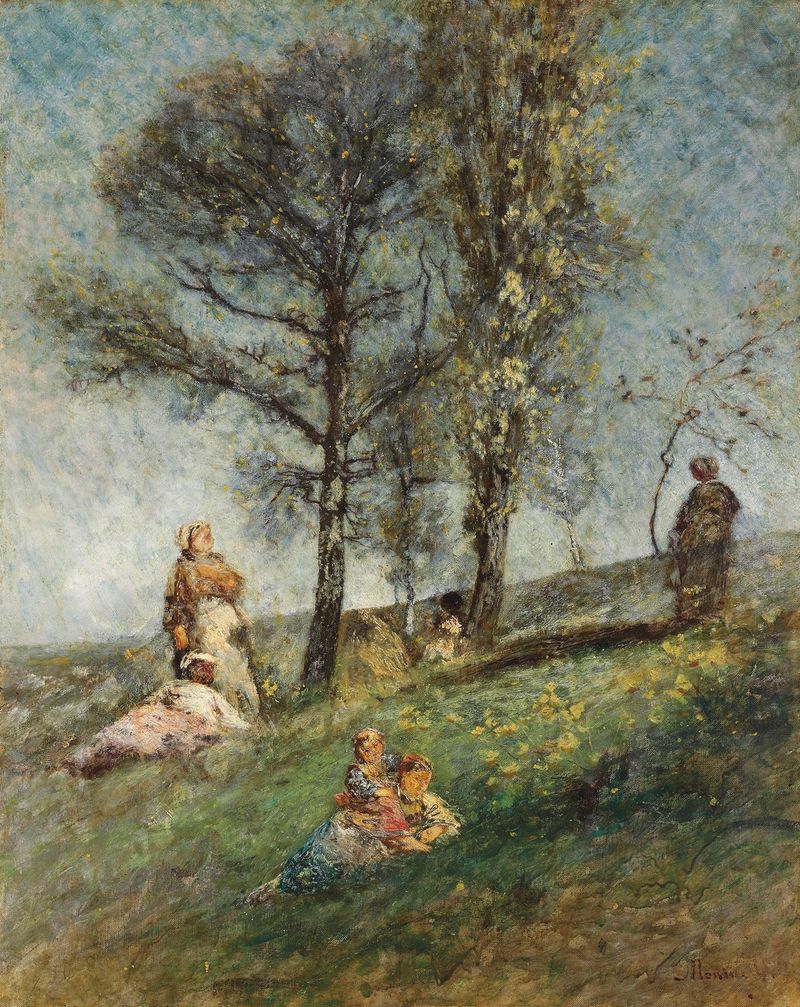
A Young Family Under Trees On A Hill
Adolphe Monticelli

Paysage
Adolphe Monticelli
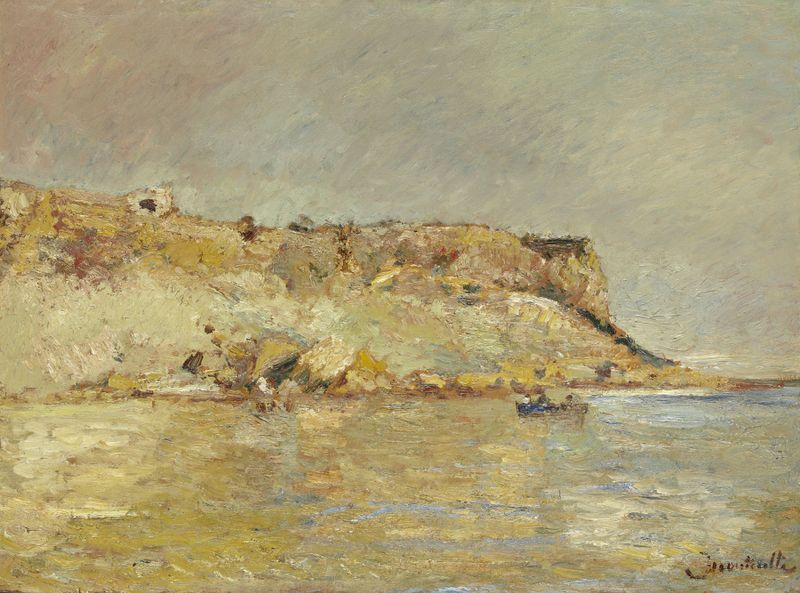
Coastal Mountains
Adolphe Monticelli

Landscape
Adolphe Monticelli

Landscape with Figures
Adolphe Monticelli
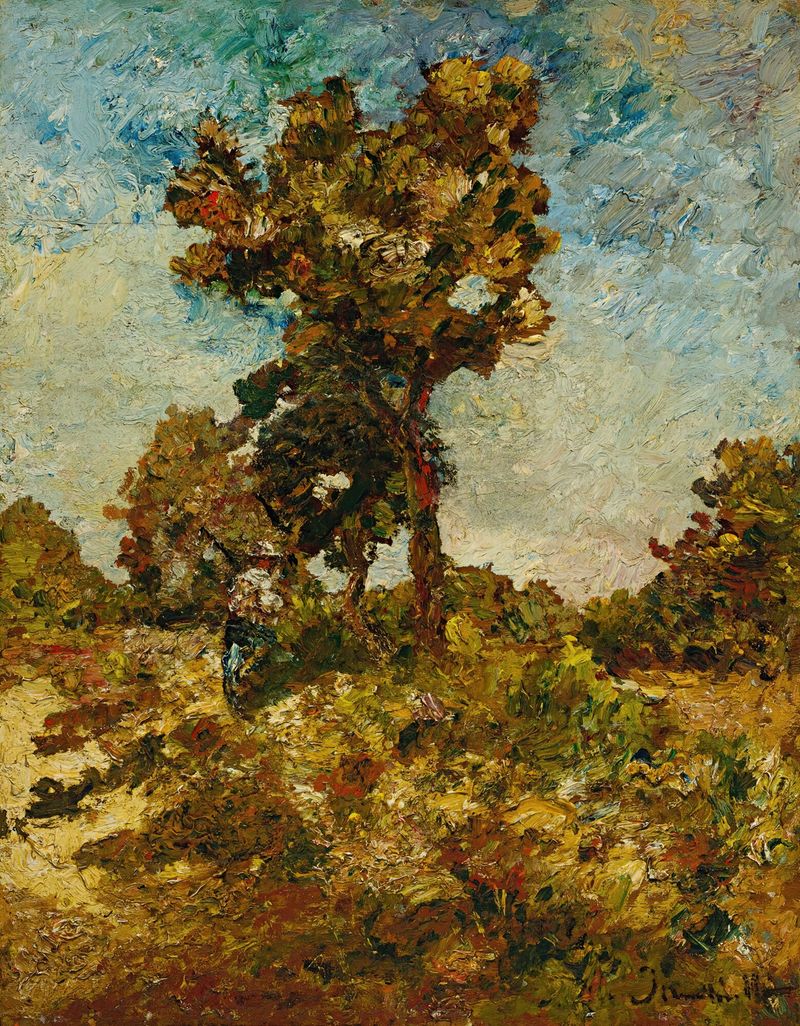
Les Arbres
Adolphe Monticelli

Paysage animé de petits personnages
Adolphe Monticelli
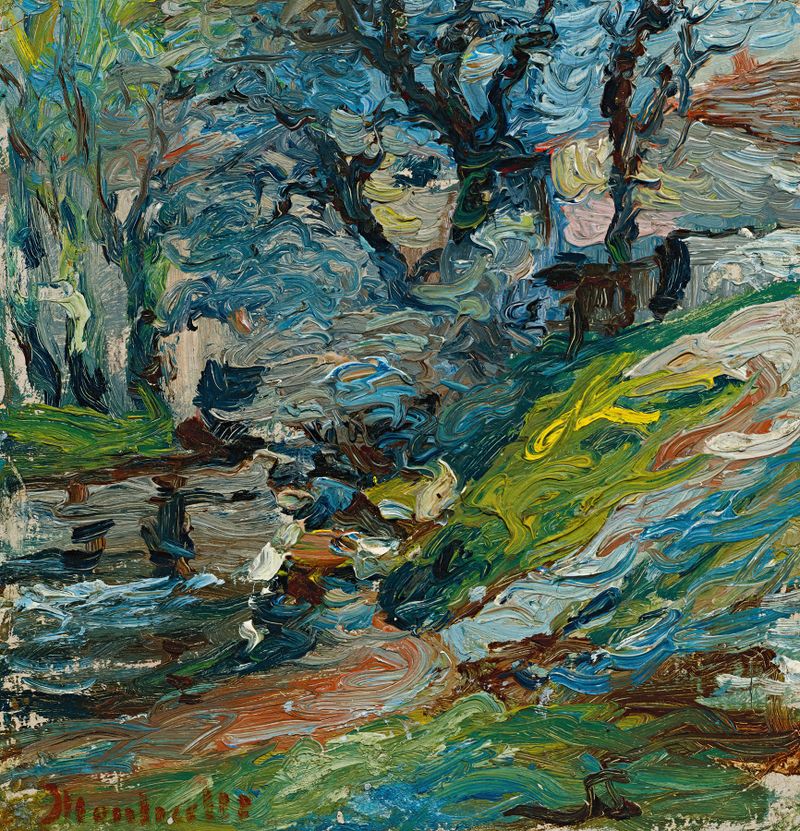
Au Bord De La Rivière, Marseilles
Adolphe Monticelli

Autumn
Adolphe Monticelli

Restaurant Bernard in Estaque
Adolphe Monticelli





