
Autumn — History & Facts
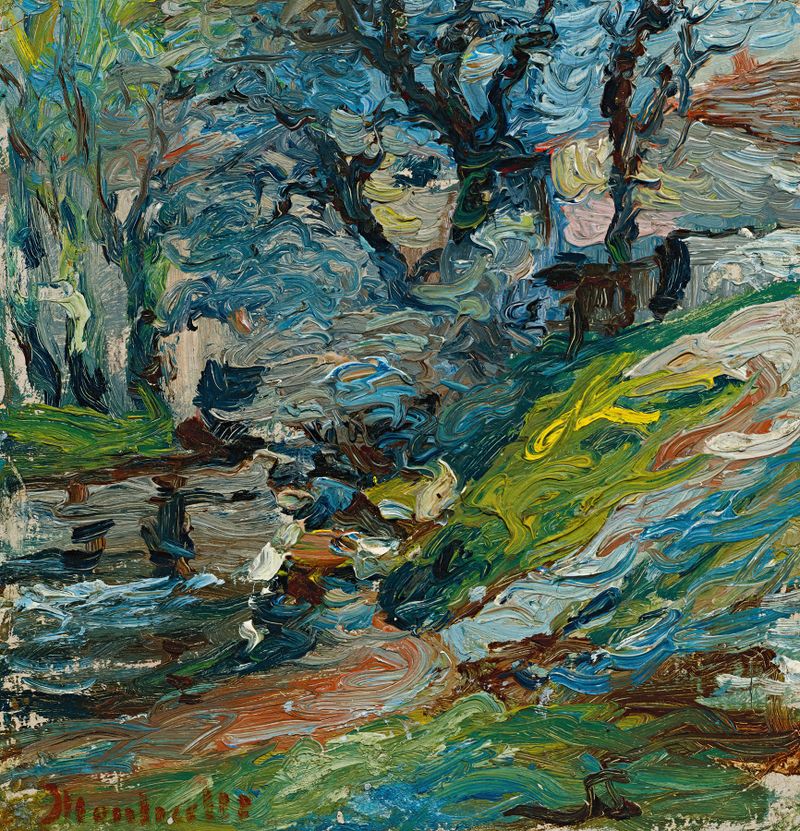
Could beauty survive in a century of chaos? Amidst the throes of revolution, nature remains a steadfast witness to the passage of time, unyielding and exquisite. Look to the vibrant swathes of orange and gold that dominate the canvas as the artist captures the essence of autumn. The trees stretch their branches, adorned in rich foliage, while dappled sunlight filters through, casting a warm glow that dances across the surface. Notice how the brushstrokes are both thick and textured, evoking the tumult of the season, yet inviting the viewer to lose themselves in its beauty. In the layers of color, there lies a juxtaposition between the serene landscape and the underlying tension of a world in turmoil.
The vibrant hues celebrate the fleeting nature of life, while the heavy application of paint suggests a struggle to convey that beauty amid uncertain times. There is a sense of melancholy woven through the joy of autumn’s splendor, invoking reflection on the inevitable passage of time and change. Monticelli painted this work during a time of significant political upheaval in France, as the country grappled with the effects of the Second Empire and the rising tides of social change. Between 1867 and 1869, he embraced an impressionistic style that blended emotion with rich color, setting the stage for future artistic movements.
This piece stands as a testament to the enduring allure of nature, even when chaos reigns.
More Artworks by Adolphe Monticelli
Browse all →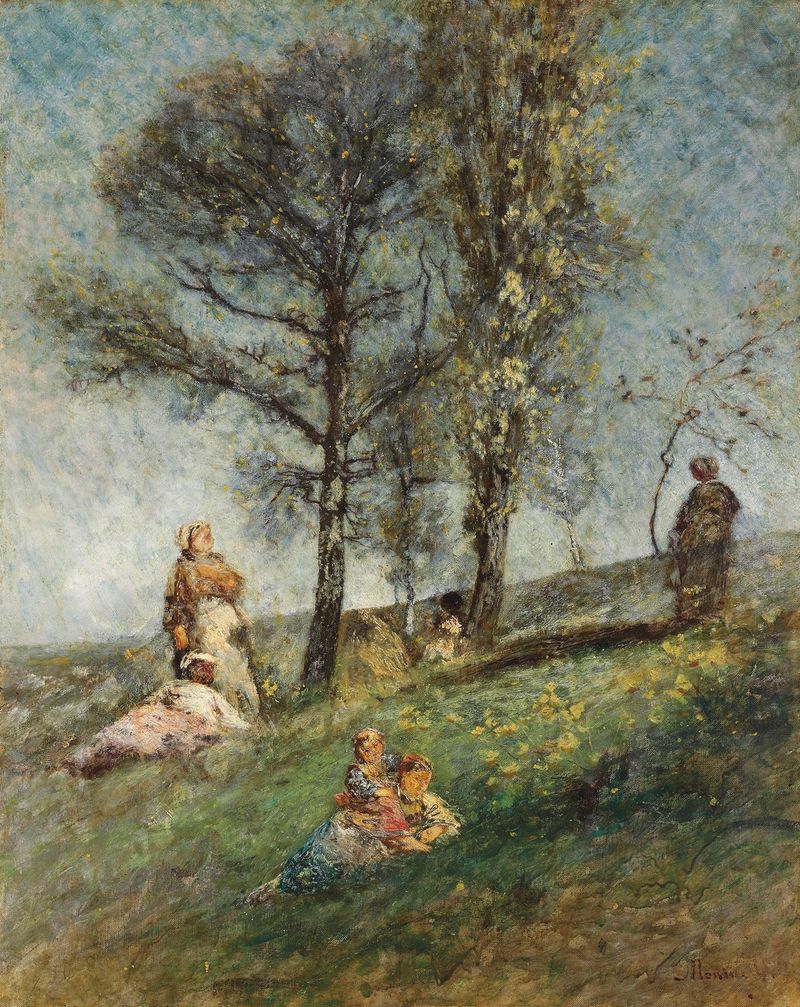
A Young Family Under Trees On A Hill
Adolphe Monticelli
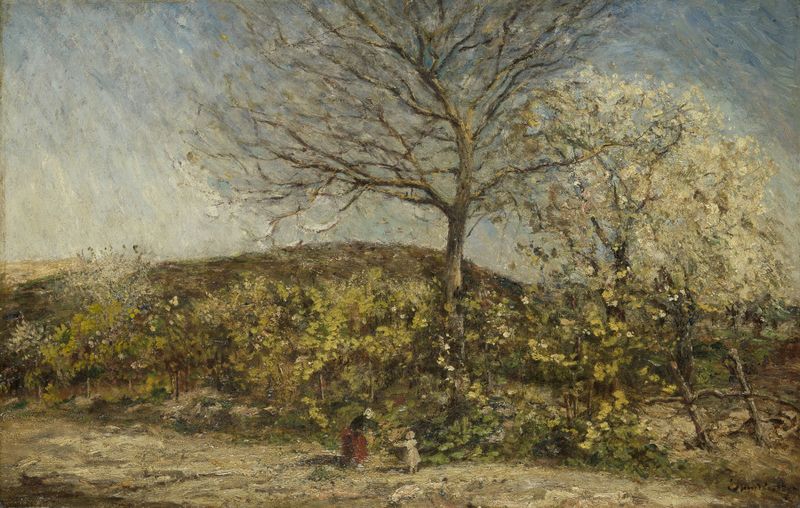
Landschap met bloeiende boomgaard
Adolphe Monticelli

Paysage
Adolphe Monticelli
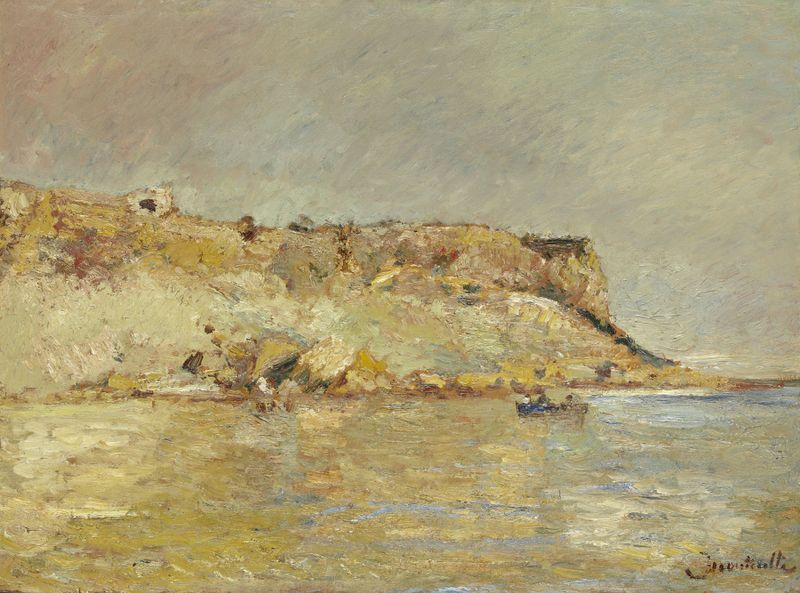
Coastal Mountains
Adolphe Monticelli

Landscape
Adolphe Monticelli

Landscape with Figures
Adolphe Monticelli
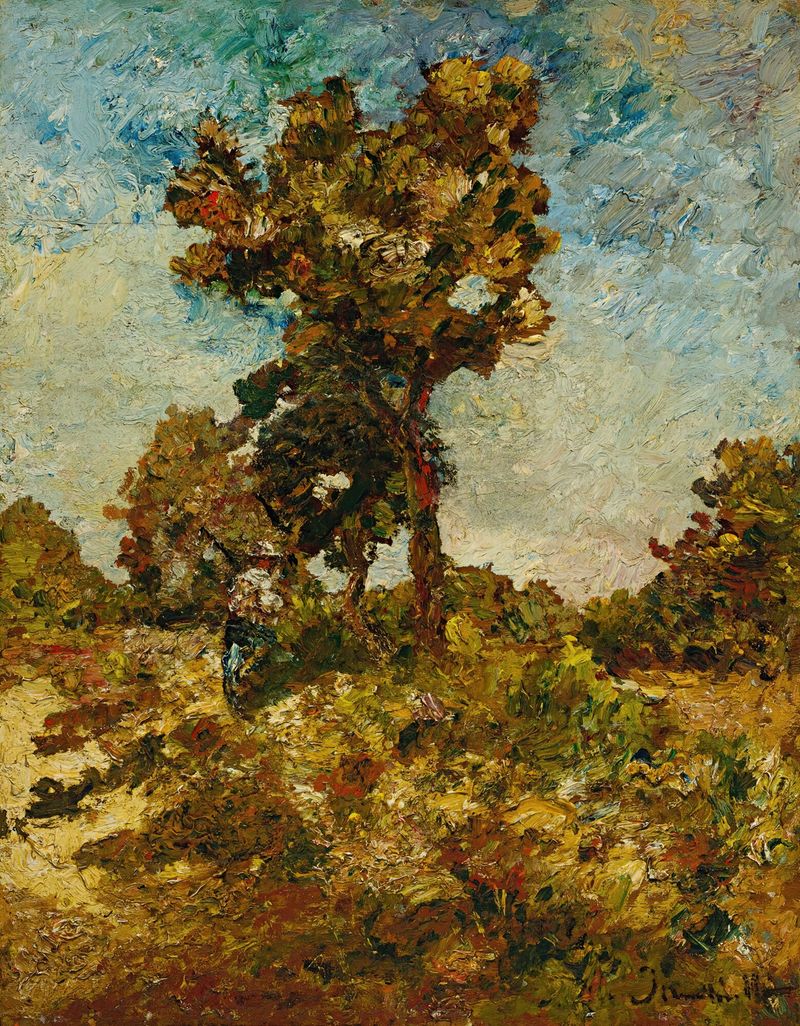
Les Arbres
Adolphe Monticelli

Paysage animé de petits personnages
Adolphe Monticelli
Au Bord De La Rivière, Marseilles
Adolphe Monticelli

Restaurant Bernard in Estaque
Adolphe Monticelli





