
Landscape — History & Facts
In this space of uncertainty and longing, we find ourselves facing the paradox of existence, where the void beckons with silent intrigue. Look to the left at the horizon, where muted earth tones blend seamlessly into an expanse of pale sky. The soft brushstrokes create a sense of gentle movement, as though the landscape breathes. Notice how the color palette is dominated by greens and browns, yet intermittently interrupted by the delicate whispers of light that flicker through the foliage.
This deliberate choice of subdued hues invites contemplation, urging you to linger on the subtleties of nature rather than its grandiosity. Beneath the tranquility lies a deeper tension — the contrast between the stillness of the landscape and the unyielding void that surrounds it. The absence of human presence is palpable, evoking a sense of solitude that feels both liberating and unsettling. Dąbrowa-Dąbrowski masterfully captures the emotional weight of emptiness, inviting viewers to confront their own feelings of isolation and introspection.
The landscape becomes a mirror, reflecting the void within as much as the world outside. In 1930, Eugeniusz Ludwik Dąbrowa-Dąbrowski painted this work while navigating the complexities of interwar Europe, a time marked by political strife and artistic experimentation. Living in Poland, he was influenced by the evolving movements around him, blending realism with an emerging modernist sensibility. This period of his life was characterized by a search for identity amidst the void left by the Great War, a sentiment that resonates profoundly in this contemplative landscape.
More Artworks by Eugeniusz Ludwik Dąbrowa-Dąbrowski
Browse all →
Birch-Tree Alley
Eugeniusz Ludwik Dąbrowa-Dąbrowski

Cowslips in a meadow – Marshes
Eugeniusz Ludwik Dąbrowa-Dąbrowski
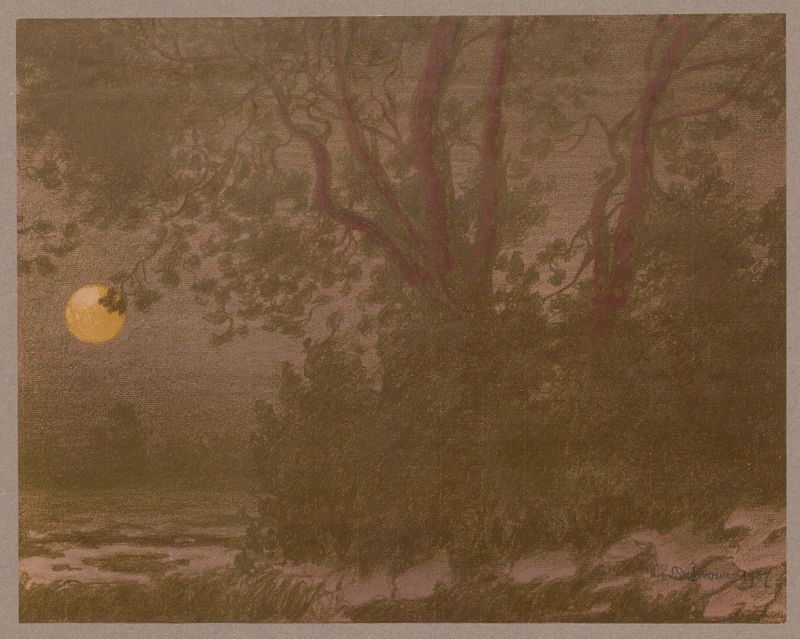
Moony night
Eugeniusz Ludwik Dąbrowa-Dąbrowski
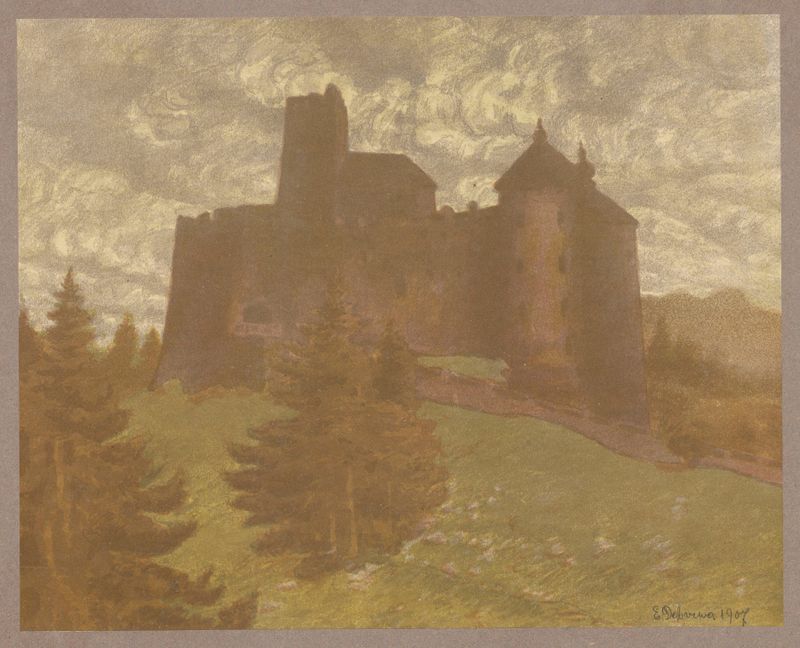
Castle
Eugeniusz Ludwik Dąbrowa-Dąbrowski

Landscape at sunset
Eugeniusz Ludwik Dąbrowa-Dąbrowski

Morning
Eugeniusz Ludwik Dąbrowa-Dąbrowski

Springtime in the Sahara Desert
Eugeniusz Ludwik Dąbrowa-Dąbrowski
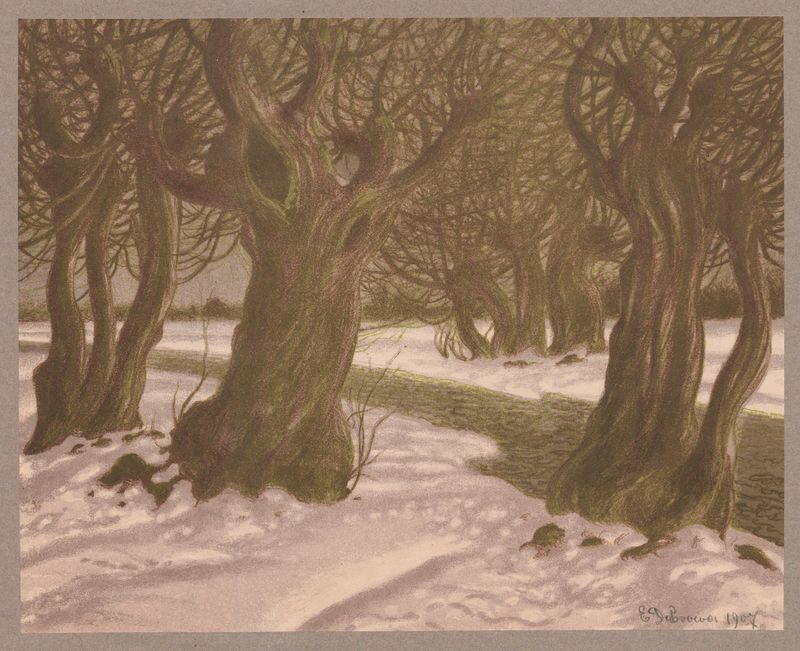
Willows in March
Eugeniusz Ludwik Dąbrowa-Dąbrowski
The Castle
Eugeniusz Ludwik Dąbrowa-Dąbrowski

Birch-Tree Alley
Eugeniusz Ludwik Dąbrowa-Dąbrowski





