
Morning — History & Facts
In the stillness of dawn, can solitude birth beauty? The quiet moments of morning linger in the air like whispers, evoking a profound sense of loneliness. Look to the left at the soft, muted palette of blues and grays that envelops the canvas, a gentle embrace of early light. Notice how the artist employs delicate brushstrokes to create a hazy horizon, blurring the line between land and sky. The sparse landscape, dotted by solitary trees, compels the viewer to dwell on the vastness that surrounds them.
The sunlight filters through, casting elongated shadows, inviting contemplation and reflecting the isolation felt in that tranquil hour. Layered within the simplicity of the scene lies an emotional tension. The vastness of the sky contrasts poignantly with the loneliness of the foreground, suggesting both hope and despair. The delicate interplay of light and shadow evokes an introspective mood, inviting the viewer to ponder the quiet moments of their own existence.
As the sun rises, the promise of a new day stands juxtaposed against the weight of solitude—an exploration of longing and introspection. In 1906, Eugeniusz Ludwik Dąbrowa-Dąbrowski was in a period of artistic maturation, experimenting with impressionist techniques that reflected his inner emotions and the world around him. Living in Poland, a time of social and political change, he sought to capture the essence of human experience through nature. This work, like many others from this era, illustrates a delicate balance between personal reflection and broader societal themes, revealing the artist’s nuanced understanding of isolation amidst the beauty of life.
More Artworks by Eugeniusz Ludwik Dąbrowa-Dąbrowski
Browse all →
Birch-Tree Alley
Eugeniusz Ludwik Dąbrowa-Dąbrowski

Cowslips in a meadow – Marshes
Eugeniusz Ludwik Dąbrowa-Dąbrowski
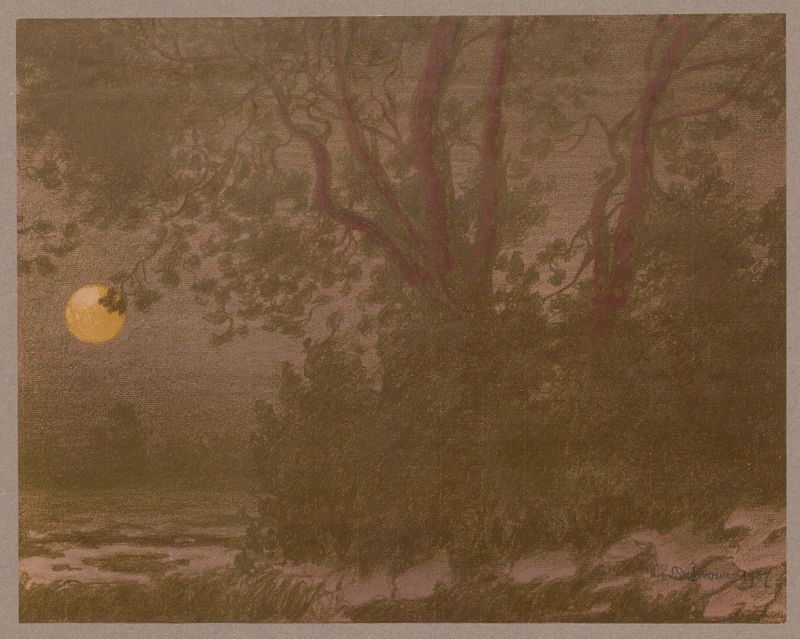
Moony night
Eugeniusz Ludwik Dąbrowa-Dąbrowski
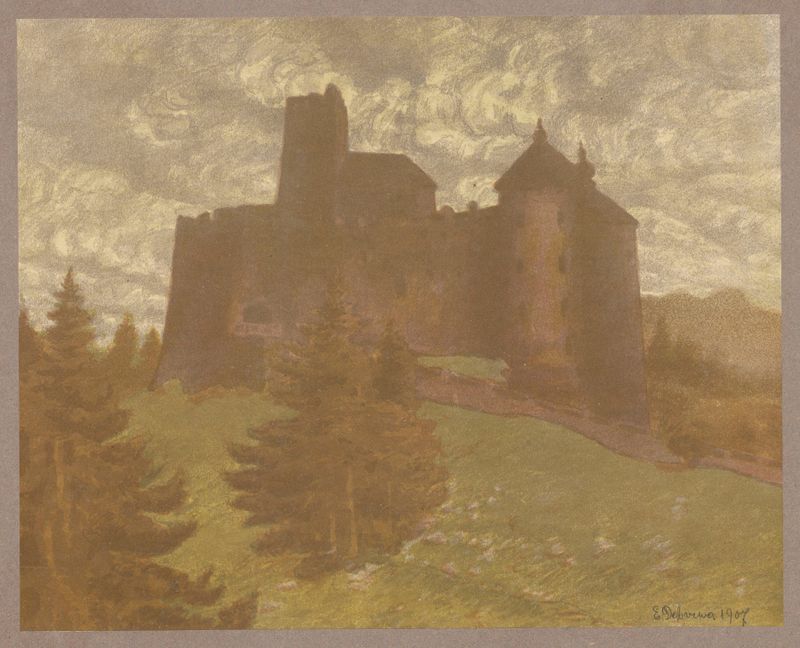
Castle
Eugeniusz Ludwik Dąbrowa-Dąbrowski
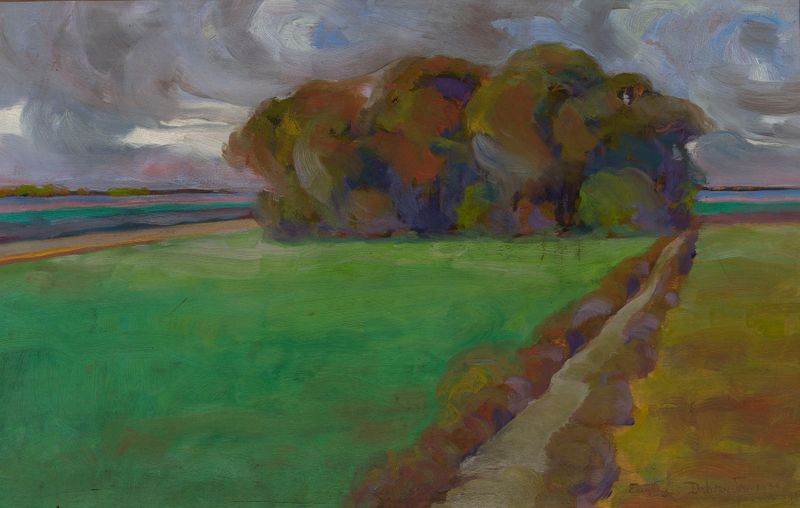
Landscape
Eugeniusz Ludwik Dąbrowa-Dąbrowski

Landscape at sunset
Eugeniusz Ludwik Dąbrowa-Dąbrowski

Springtime in the Sahara Desert
Eugeniusz Ludwik Dąbrowa-Dąbrowski
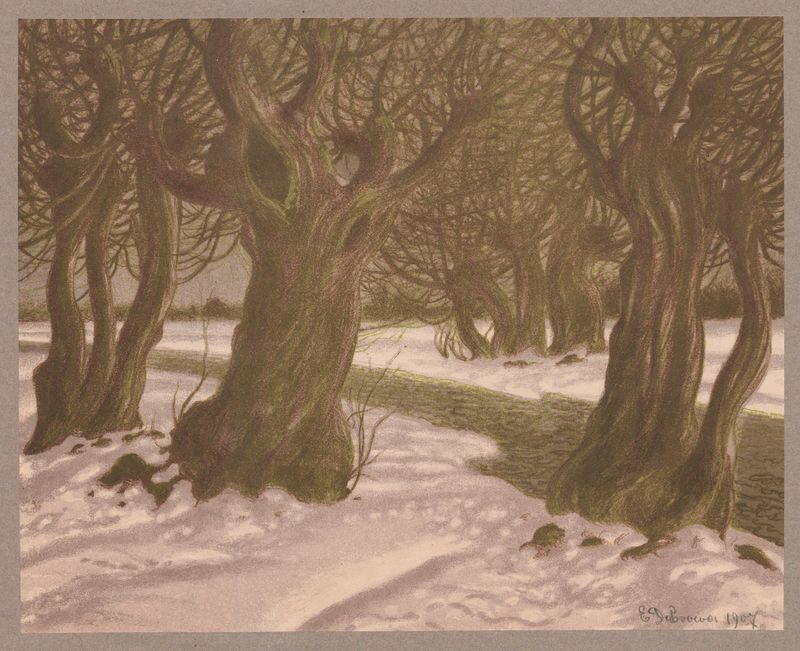
Willows in March
Eugeniusz Ludwik Dąbrowa-Dąbrowski
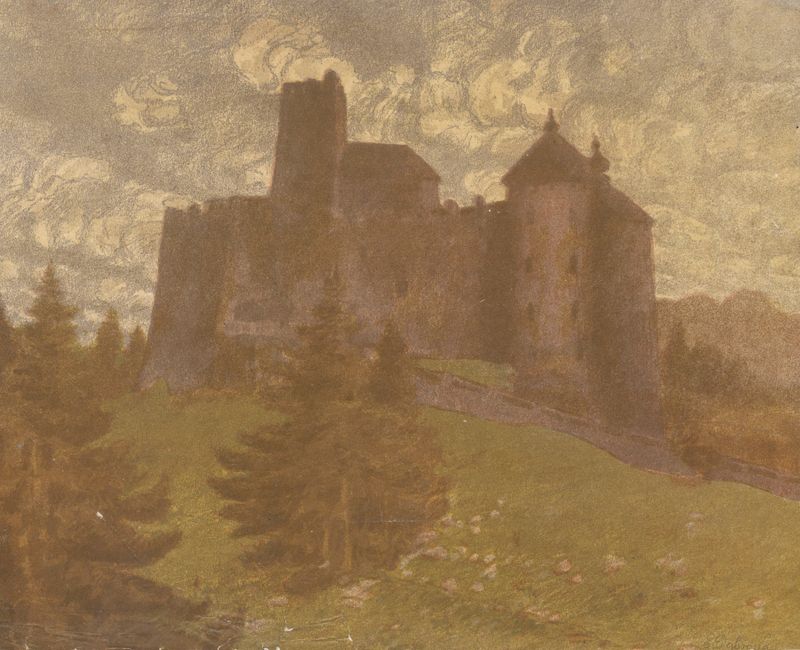
The Castle
Eugeniusz Ludwik Dąbrowa-Dąbrowski

Birch-Tree Alley
Eugeniusz Ludwik Dąbrowa-Dąbrowski





