
The Castle — History & Facts
Could beauty survive in a century of chaos? The Castle invites us to ponder this profound question through its dynamic portrayal of structure and movement. The painting pulses with life, the castle standing resolute amidst swirling forms, inherently juxtaposing stability against the relentless forces of change. Look to the left where the castle’s silhouette rises sharply against the swirling clouds, bold strokes of deep blues and fiery oranges outlining its formidable presence. The brushwork is alive, capturing a sense of movement that suggests the wind whipping around its towers, as if nature itself were in a dance with this architectural marvel.
Notice how the light breaks through the tumultuous sky, illuminating the castle’s facade, infusing it with a sense of hope and resilience amid the chaos surrounding it. Delve deeper into the contrasting elements within the composition. The solidity of the castle represents permanence, a sanctuary of strength, yet it is enveloped by an atmosphere that is tumultuous and energetic. This duality speaks to the artist’s understanding of the human experience—the struggle for beauty and stability in uncertain times.
The vibrant movements in the sky can be seen as an echo of the socio-political upheavals of the early 20th century, reminding us that while chaos reigns, there is always a fortress of beauty to be cherished and protected. In 1906, Eugeniusz Ludwik Dąbrowa-Dąbrowski created this work during a period of significant social change in Europe, marked by rapid industrialization and rising nationalism. Working in Poland, he sought to capture the essence of his turbulent era through innovative techniques. His bold approach to color and form was reflective of the broader movements in art, as artists sought to embrace the dynamism of modern life amid a world on the brink of upheaval.
More Artworks by Eugeniusz Ludwik Dąbrowa-Dąbrowski
Browse all →
Birch-Tree Alley
Eugeniusz Ludwik Dąbrowa-Dąbrowski

Cowslips in a meadow – Marshes
Eugeniusz Ludwik Dąbrowa-Dąbrowski
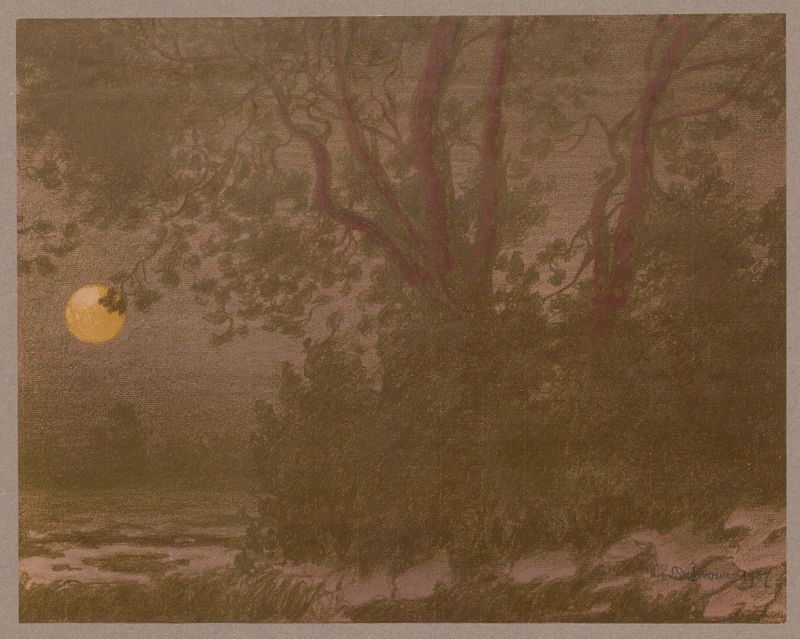
Moony night
Eugeniusz Ludwik Dąbrowa-Dąbrowski
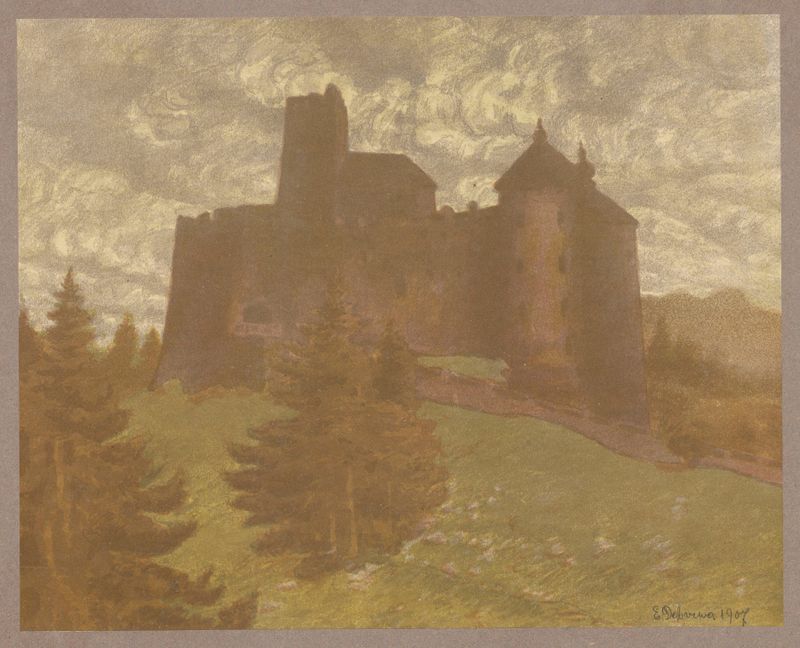
Castle
Eugeniusz Ludwik Dąbrowa-Dąbrowski
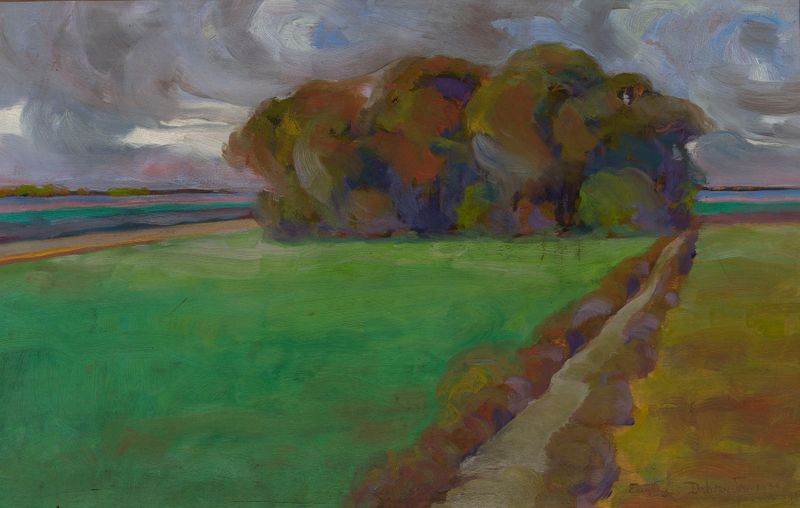
Landscape
Eugeniusz Ludwik Dąbrowa-Dąbrowski

Landscape at sunset
Eugeniusz Ludwik Dąbrowa-Dąbrowski

Morning
Eugeniusz Ludwik Dąbrowa-Dąbrowski

Springtime in the Sahara Desert
Eugeniusz Ludwik Dąbrowa-Dąbrowski
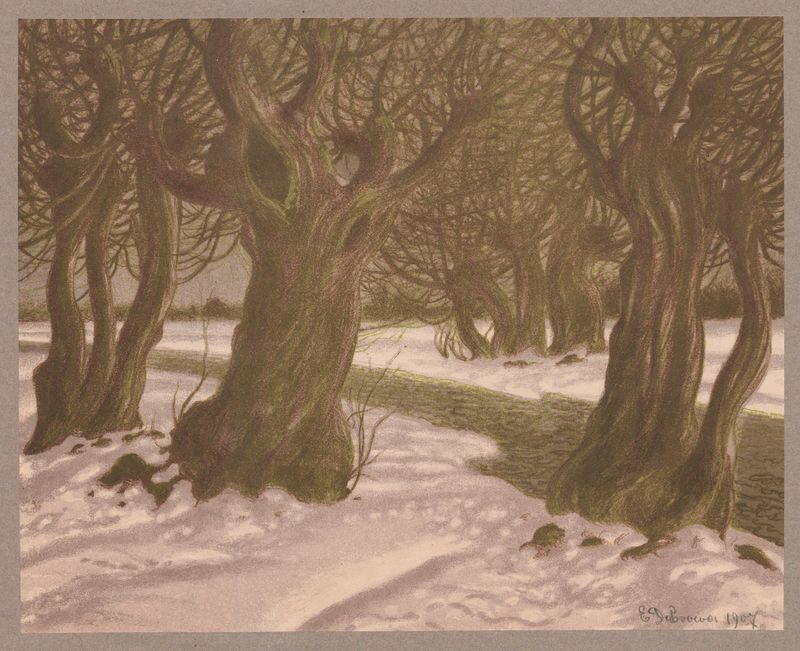
Willows in March
Eugeniusz Ludwik Dąbrowa-Dąbrowski

Birch-Tree Alley
Eugeniusz Ludwik Dąbrowa-Dąbrowski





