
Landscape at sunset — History & Facts
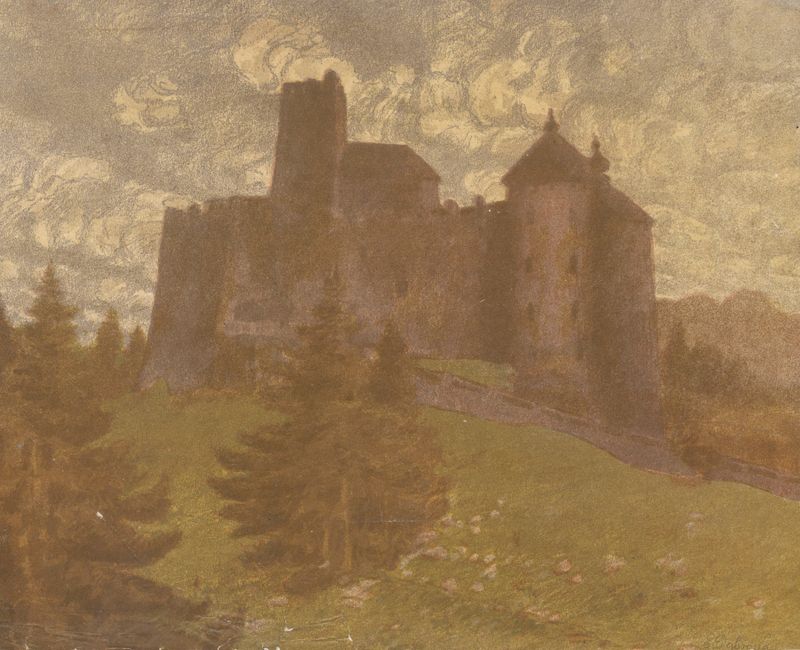
Can beauty exist without sorrow? In the delicate hues of twilight, Landscape at Sunset invites us to ponder this question amidst its serene splendor. Look to the horizon, where the sun's dying light casts a warm golden glow across the canvas. The sky is a riot of oranges and purples, intermingling in a passionate embrace, while below, the landscape unfolds with gentle rolling hills. The brushwork is deft, almost impressionistic, allowing the colors to blend seamlessly, creating a dreamlike quality that pulls the viewer into this tranquil scene.
The contrast between light and shadow here serves as a reminder of fleeting moments, as if the landscape itself is caught between day and night. Yet, amidst this beauty lies an undercurrent of tension. The tranquil nature of the scene may mask a deeper narrative of betrayal; the stillness feels fragile, like the calm before a storm. The vibrant colors could symbolize the intensity of emotions that often accompany love and loss.
In the distance, a darkened area suggests secrets hidden within the landscape, hinting at experiences that might have scarred the serenity of such a picturesque view. Eugeniusz Ludwik Dąbrowa-Dąbrowski painted this work in 1891, during a period of profound change in Polish art. In the wake of Poland's partition, the artist was influenced by both the burgeoning national identity and the Romantic movement's emphasis on nature. This painting reflects the emotional landscape of his time, capturing not only the beauty of the natural world but also its capacity to evoke complex feelings that linger in the heart.
More Artworks by Eugeniusz Ludwik Dąbrowa-Dąbrowski
Browse all →
Birch-Tree Alley
Eugeniusz Ludwik Dąbrowa-Dąbrowski

Cowslips in a meadow – Marshes
Eugeniusz Ludwik Dąbrowa-Dąbrowski
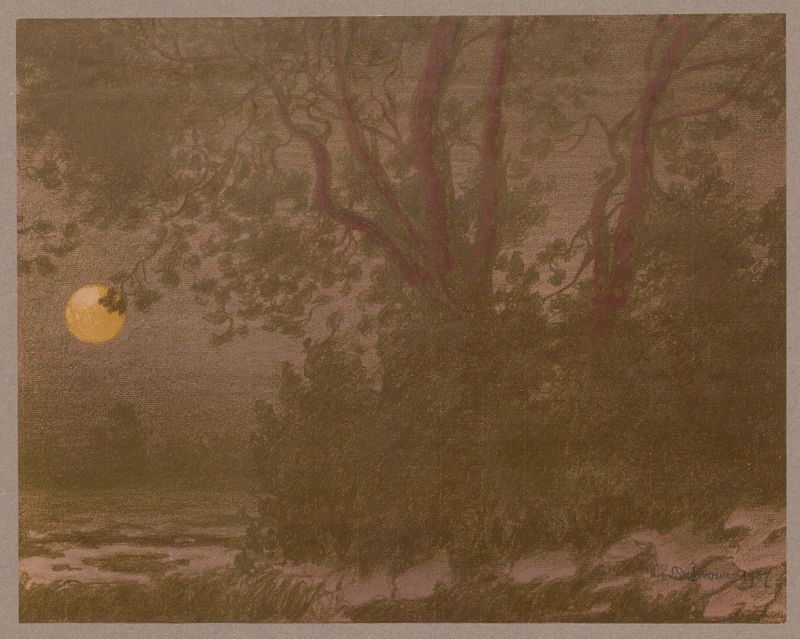
Moony night
Eugeniusz Ludwik Dąbrowa-Dąbrowski
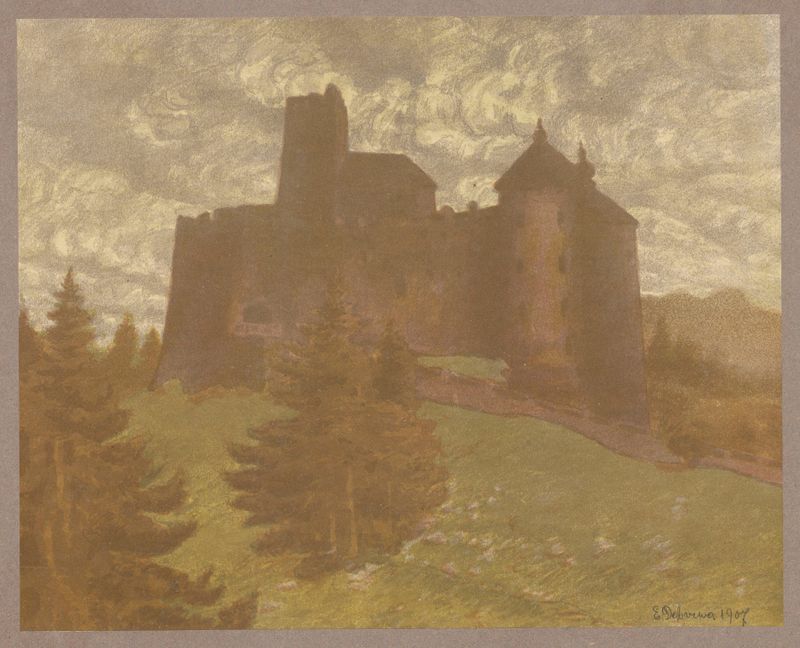
Castle
Eugeniusz Ludwik Dąbrowa-Dąbrowski
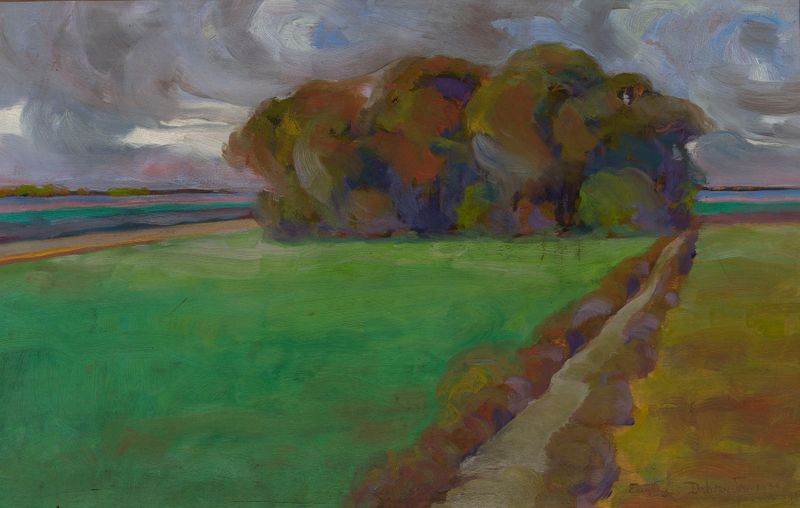
Landscape
Eugeniusz Ludwik Dąbrowa-Dąbrowski

Morning
Eugeniusz Ludwik Dąbrowa-Dąbrowski

Springtime in the Sahara Desert
Eugeniusz Ludwik Dąbrowa-Dąbrowski
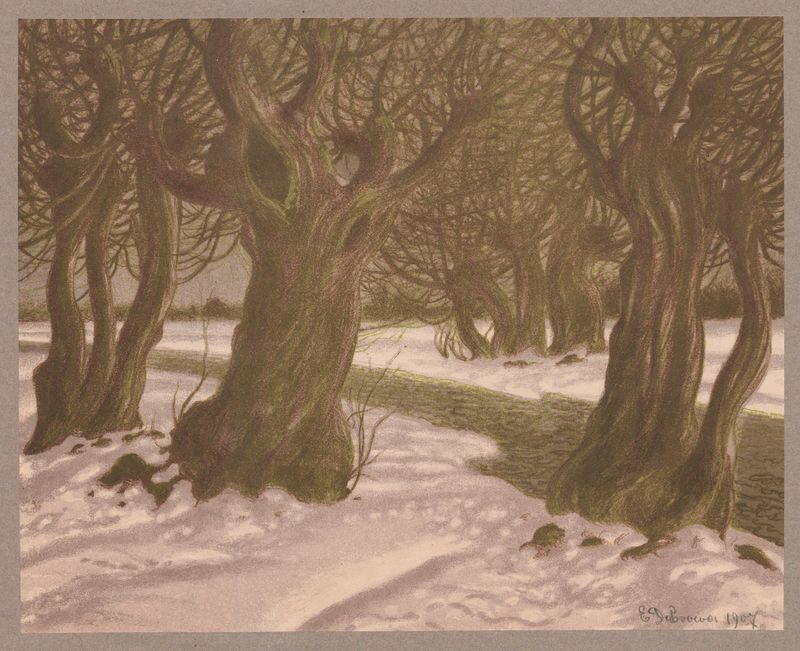
Willows in March
Eugeniusz Ludwik Dąbrowa-Dąbrowski
The Castle
Eugeniusz Ludwik Dąbrowa-Dąbrowski

Birch-Tree Alley
Eugeniusz Ludwik Dąbrowa-Dąbrowski





