
Willows in March — History & Facts
Can paint confess what words never could? In Willows in March, the turbulence of nature intertwines with the fragility of emotions, revealing a violent undercurrent hidden beneath serene beauty. Look to the left at the delicate brushstrokes that form the willows, their branches swaying gently, yet the jagged edges of the palette knife suggest an unseen tension. The muted greens and blues dominate the canvas, evoking the chill of early spring, while flecks of brighter colors hint at the potential for life. As your eye travels across the canvas, notice how the overlapping layers create both depth and a jarring sense of unease, mirroring nature’s unpredictable temperament. Within this evocative piece lies a contrast between tranquility and an underlying ferocity.
The willows, often symbols of resilience, appear to weep, their drooping branches suggesting a mourning that transcends seasons. The swirling clouds above loom ominously, amplifying the emotional weight of the scene, as if they are the bearers of a coming storm that could bring both renewal and destruction. This duality is a reminder of the cyclical nature of life, where beauty and violence coexist in a delicate balance. Eugeniusz Ludwik Dąbrowa-Dąbrowski painted this work in 1907 during a time when Poland was grappling with its identity amidst political strife.
Living in the vibrant art scene of early 20th century Europe, he sought to capture not only the landscape but also the emotional landscape of his homeland. This piece reflects a moment of introspection, as well as a broader commentary on the struggles inherent in both nature and human existence.
More Artworks by Eugeniusz Ludwik Dąbrowa-Dąbrowski
Browse all →
Birch-Tree Alley
Eugeniusz Ludwik Dąbrowa-Dąbrowski

Cowslips in a meadow – Marshes
Eugeniusz Ludwik Dąbrowa-Dąbrowski
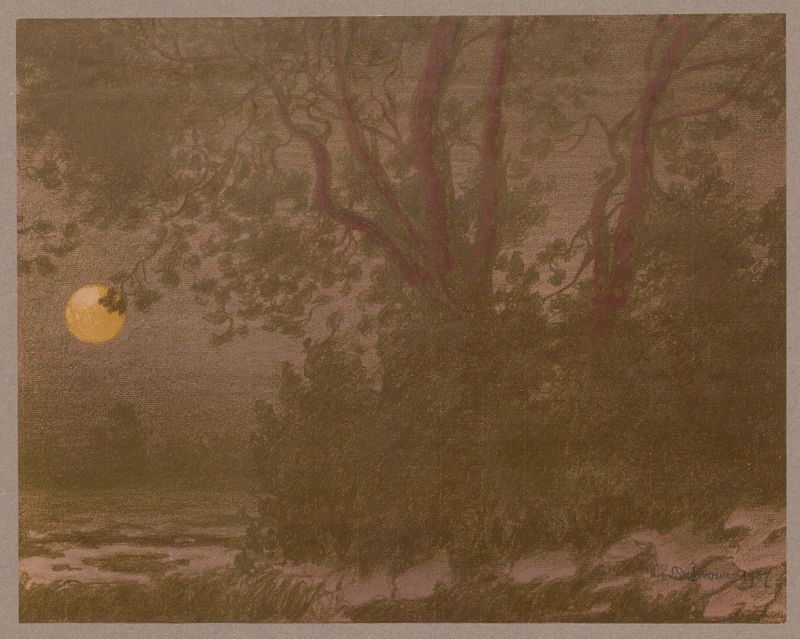
Moony night
Eugeniusz Ludwik Dąbrowa-Dąbrowski
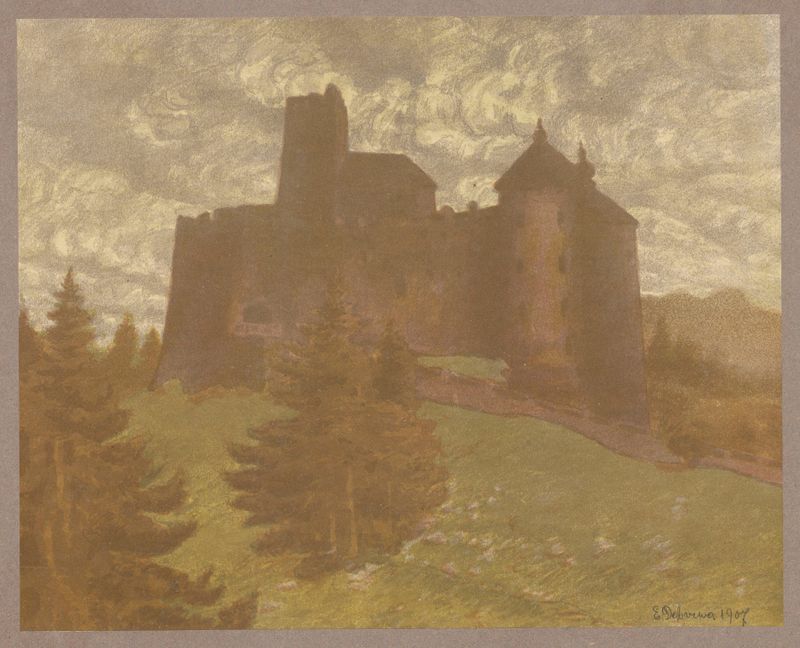
Castle
Eugeniusz Ludwik Dąbrowa-Dąbrowski
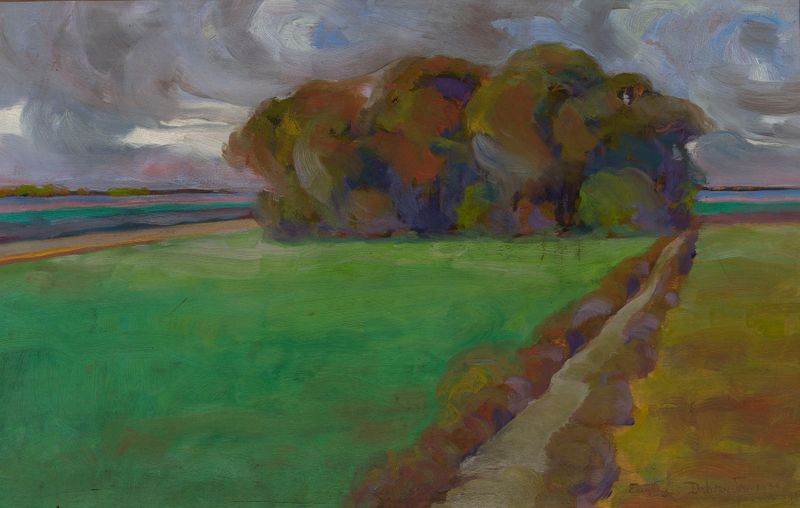
Landscape
Eugeniusz Ludwik Dąbrowa-Dąbrowski

Landscape at sunset
Eugeniusz Ludwik Dąbrowa-Dąbrowski

Morning
Eugeniusz Ludwik Dąbrowa-Dąbrowski

Springtime in the Sahara Desert
Eugeniusz Ludwik Dąbrowa-Dąbrowski
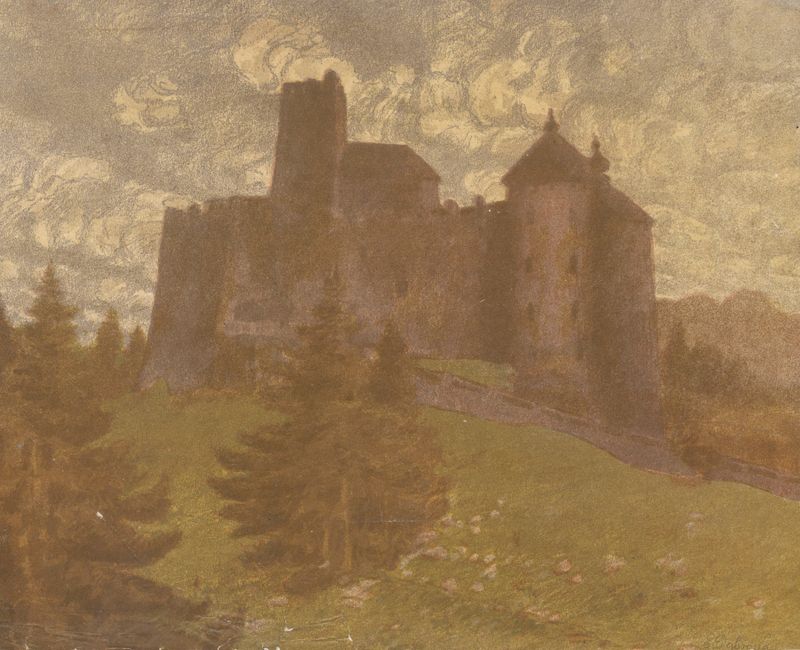
The Castle
Eugeniusz Ludwik Dąbrowa-Dąbrowski

Birch-Tree Alley
Eugeniusz Ludwik Dąbrowa-Dąbrowski





