Landscape — History & Facts
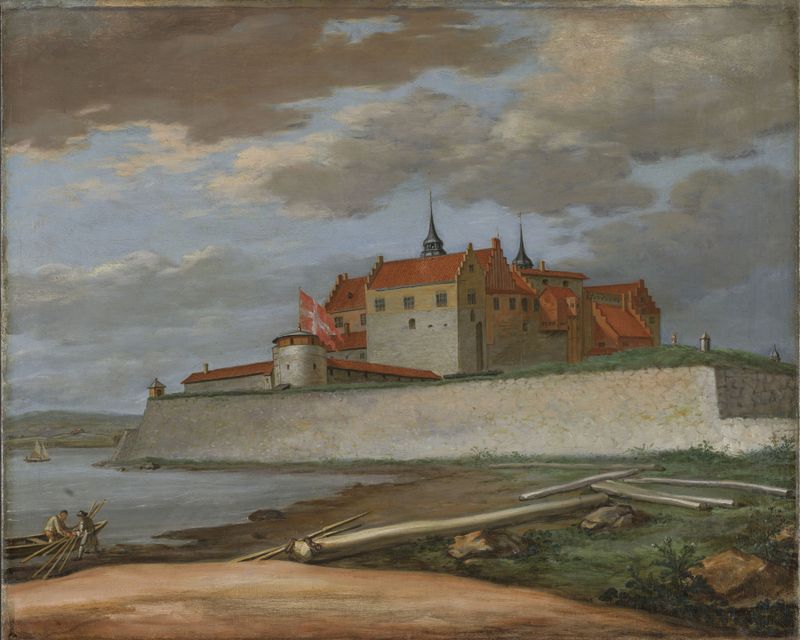
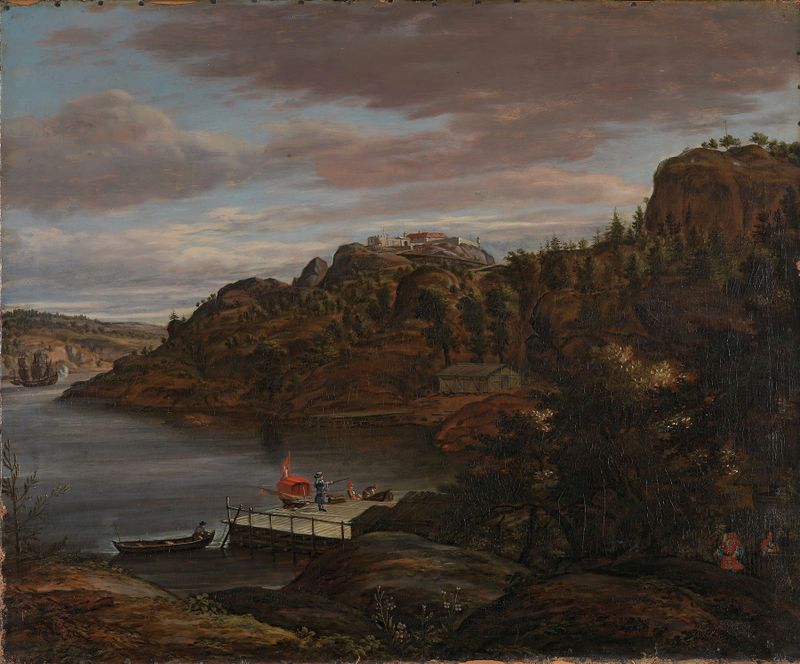
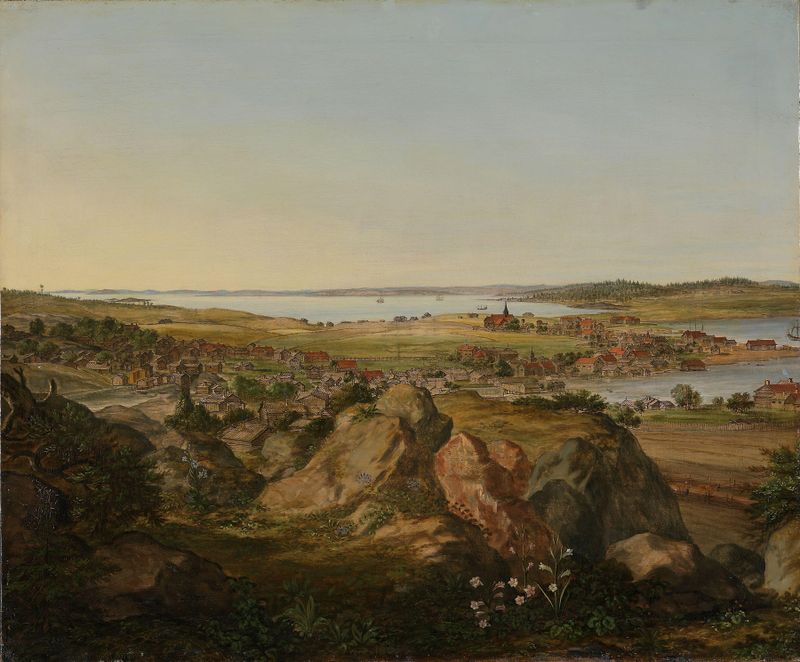
When did color learn to lie? In a world where hues deceive the heart, landscapes can mask both beauty and lurking fears beneath their vibrant surfaces. Look to the center at the rolling hills, awash in a deep emerald green that swells against the cobalt sky. The brushwork is smooth yet deliberate, each stroke creating a sense of depth and inviting the eye to wander. Notice how the light, brilliant yet oddly disquieting, illuminates the distant mountains, casting long shadows that stretch across the foreground.
Here, the artist plays with color and light, weaving a tapestry that is both inviting and unsettling. As you delve deeper, observe the stillness of the water reflecting the scene. It seems serene at first, yet its glassy surface may conceal the turmoil of an unseen undercurrent. The juxtaposition of vibrant life against an undercurrent of fear is palpable in the cloud formations, which appear almost menacing, looming over the landscape as if they whisper secrets of a tempest.
The delicate balance between beauty and anxiety echoes the complexities of nature herself, hinting at the fragility of peace in the face of impending storms. In 1699, Jacob Coning painted this work during a period of artistic transition in the Northern Netherlands, where Baroque influences began to intertwine with emerging naturalism. As he captured this landscape, Coning was navigating a world marked by both prosperity and uncertainty, reflecting the shifting tides in art and society. His commitment to realism in Landscape signaled a pivotal moment, as artists sought to express the intricate relationship between humanity and the natural world amidst a backdrop of change.