View of Moss — History & Facts
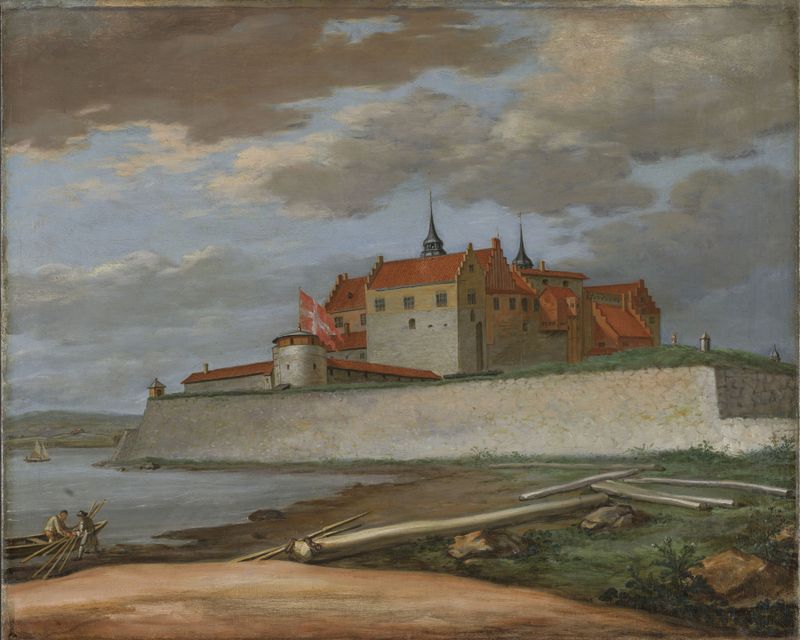
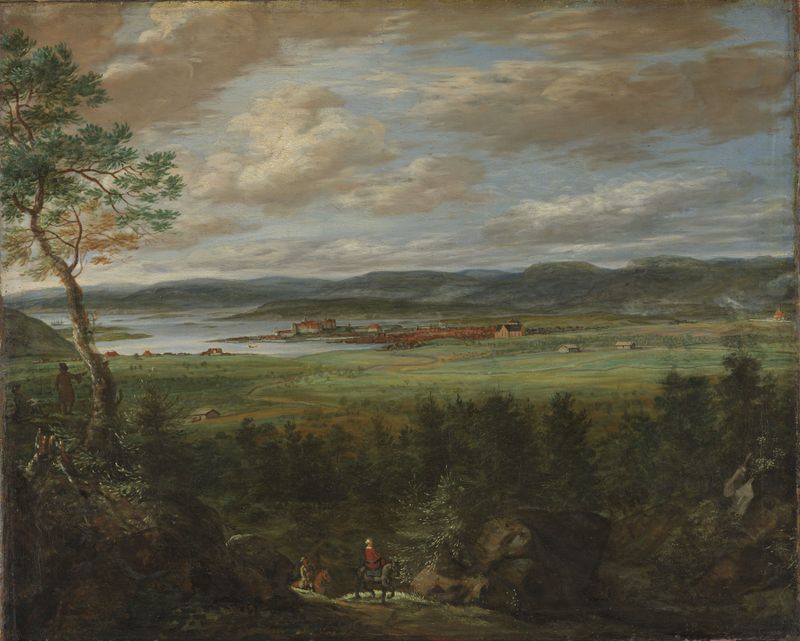
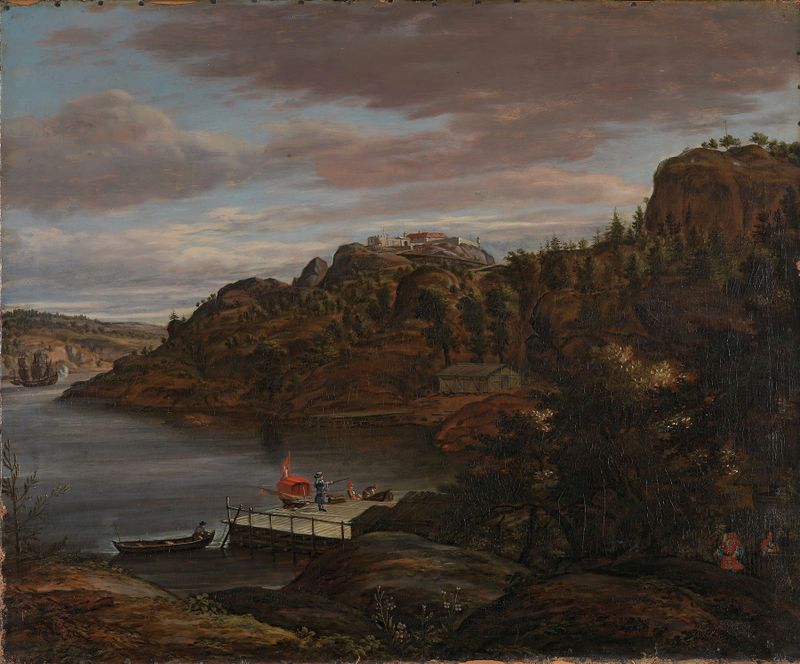
In View of Moss, every detail whispers the madness of fleeting beauty, echoing a world both vibrant and unnervingly static. Look to the left at the gauzy strokes of green that blend into the tranquil blues of the sky, leading your eye across the horizon where land meets the ethereal. The brushwork is delicate yet chaotic, evoking the strange harmony found within nature’s unpredictability. Notice how the light dances across the surface, casting soft shadows that create an illusion of depth, inviting you into a serene wilderness that simultaneously feels alive and haunting. Within this painted landscape lies a tension between the idyllic and the disquieting.
The lush moss, vibrant yet dense, can represent both lush life and the suffocating grip of nature — a reminder of madness lurking beneath the surface. The contrast of colors offers a glimpse into the duality of existence; there is beauty, yet an underlying pulse of chaos that reminds us of the fragility of peace. The scene evokes a sense of longing and contemplation, urging the viewer to ponder their relationship with the wild. Jacob Coning created View of Moss in 1699, a period when the Dutch Golden Age was reaching its zenith, following the turmoil of the Thirty Years' War.
At this time, artists were increasingly focused on capturing the delicate interplay of light and nature, reflecting both the optimism and the psychological complexities of their era. Coning, emerging as a notable landscape painter, employed rich color palettes and innovative techniques, navigating between tradition and his unique vision of the natural world.