Landscape — History & Facts
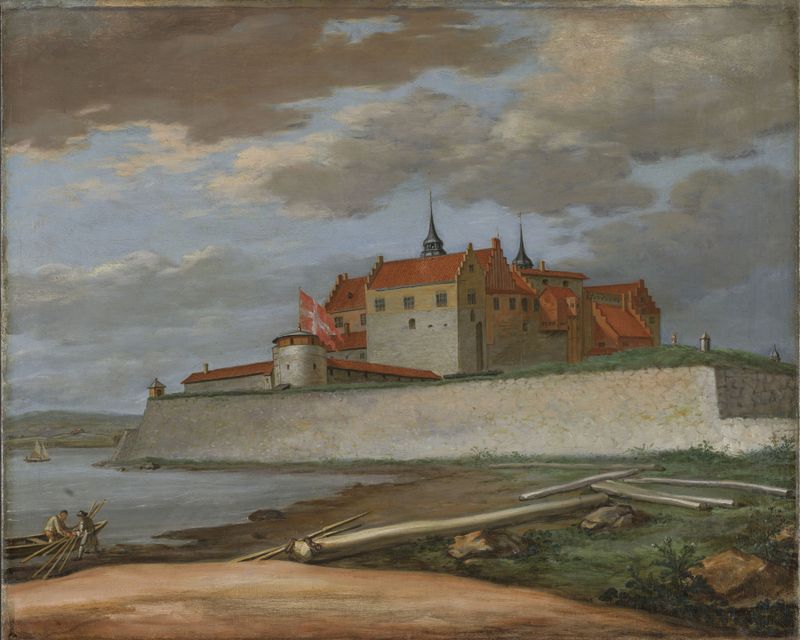
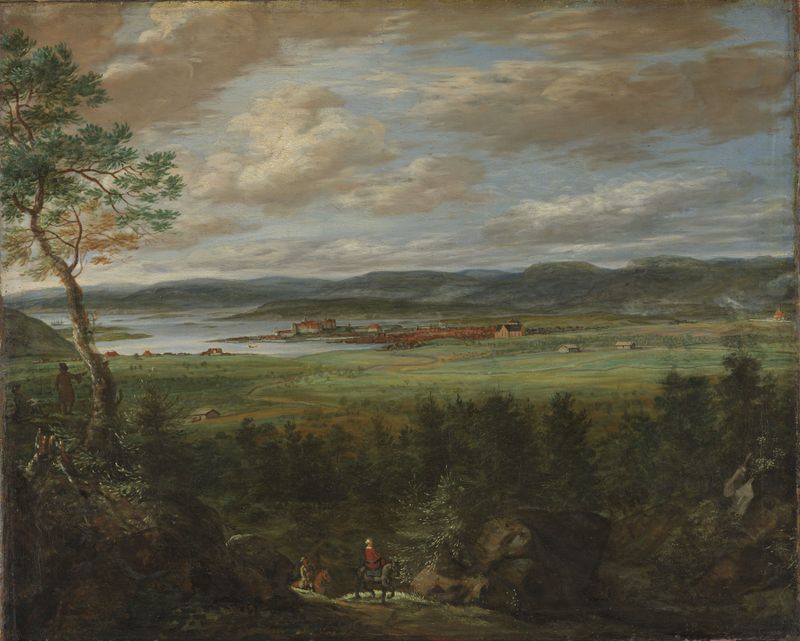
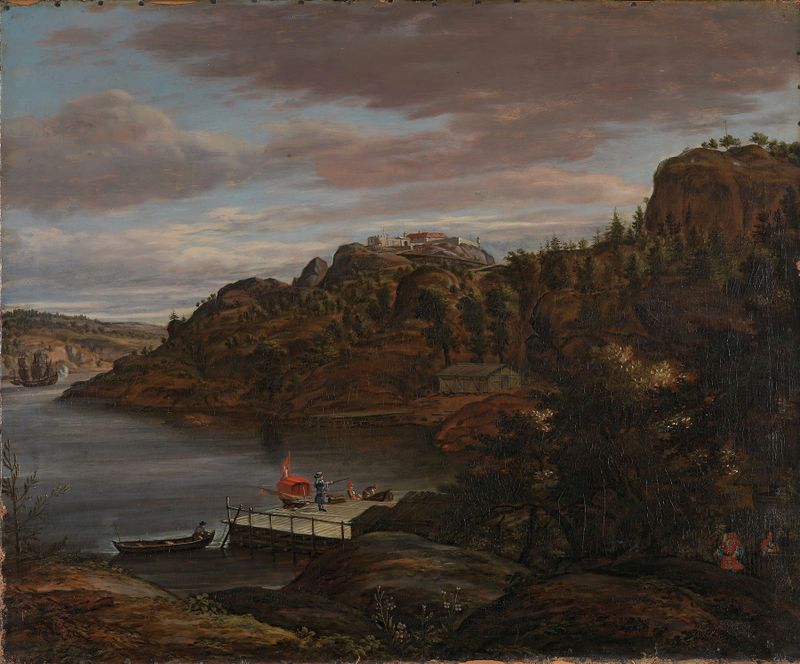
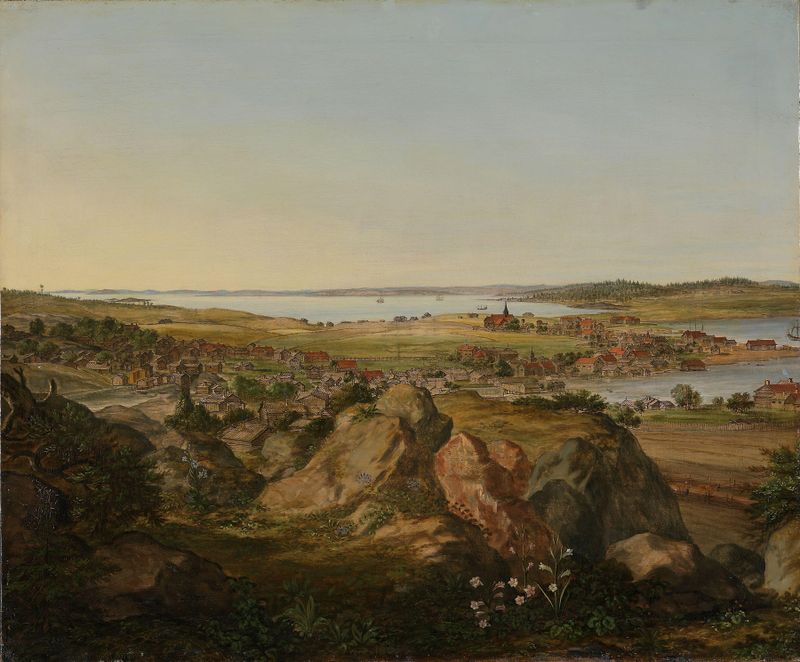
In the quiet embrace of stillness, landscapes bear witness to the footprints of time, echoing legacies that stretch beyond the canvas. They invite us to ponder what remains unsaid amidst the beauty of nature, whispering secrets of existence through every brushstroke. Look to the horizon first, where sweeping greens meet a vast, cloud-dappled sky. The meticulous layering of colors creates a sense of depth, drawing your gaze deeper into the tranquil expanse.
Notice the gentle curves of the rolling hills, their soft contours painted with a delicate hand, while the light dances across the landscape, highlighting intricate details in the foreground—wildflowers peeking through the grass, and a glimmer of water reflecting the sky’s soft blues and whites. Coning’s choice of a serene palette evokes a contemplative mood, inviting viewers to linger and absorb the beauty of this captured moment. Yet, beneath the calm exterior, tensions simmer: the juxtaposition of vibrant life against the vastness of an indifferent universe. The wildflowers symbolize fleeting moments, while the expansive sky represents eternity, suggesting a connection between the transient and the eternal.
Each brushstroke carries not only the weight of the scene but also the artist's own reflections on legacy, capturing the essence of nature as a multifaceted dialogue between life and memory. Jacob Coning painted this landscape in 1700, during a time of burgeoning artistic exploration in the Netherlands. The Baroque period was at its height, characterized by a fascination with natural beauty and the emotive power of light. Coning, influenced by the emerging styles of his contemporaries, sought to capture the pastoral charm of his surroundings, creating a piece that would resonate through generations, enduring as a testament to both his skill and the timelessness of nature itself.