Landscape — History & Facts
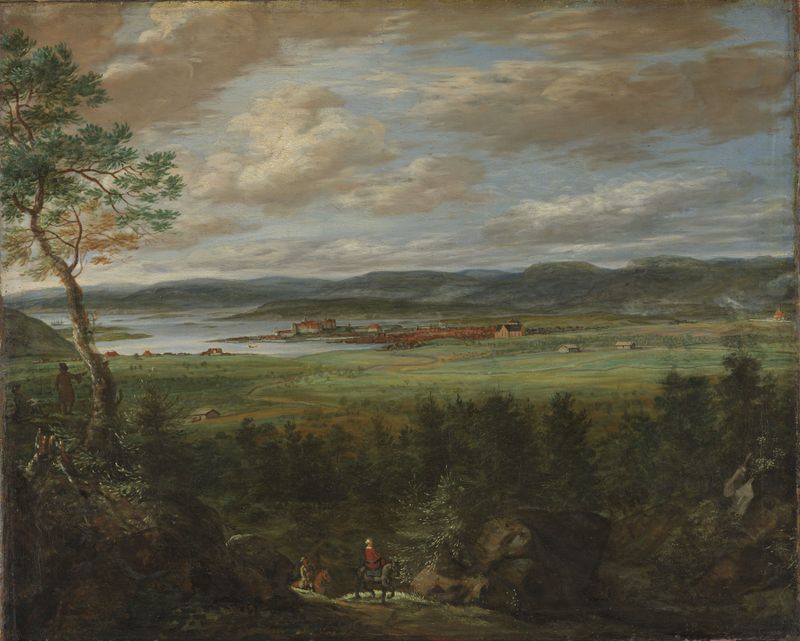
In the stillness of a moment, nature unveils its secrets, whispering truths to those willing to listen. Look to the left, where the horizon meets a sweeping expanse of sky, painted in soft gradients of blue and gold. The light spills over the landscape, illuminating the verdant valleys while casting gentle shadows that beckon contemplation. Notice how the artist deftly employs chiaroscuro, contrasting the vibrancy of the foreground with the subdued tones of the distant hills, guiding your eye across the scene. Delve deeper, and you may find a narrative hidden within the layers.
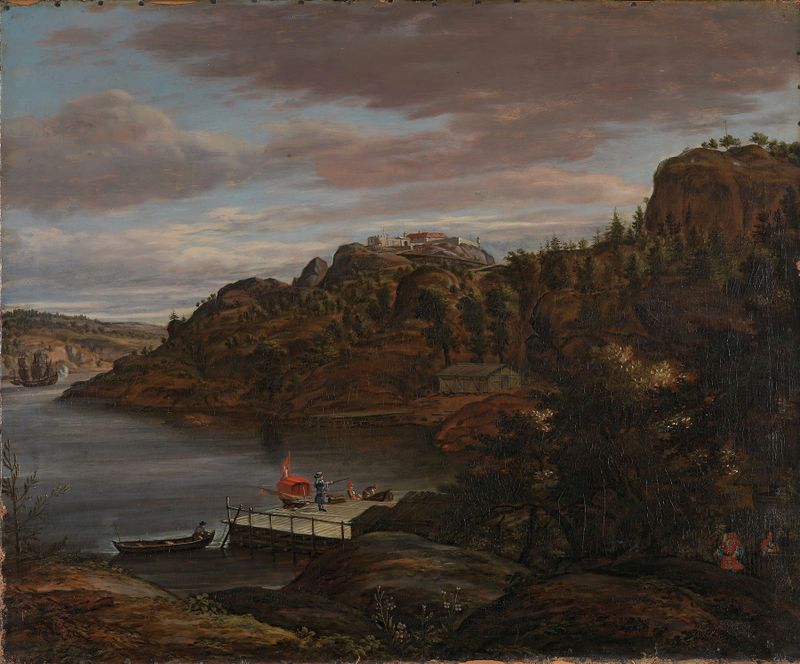
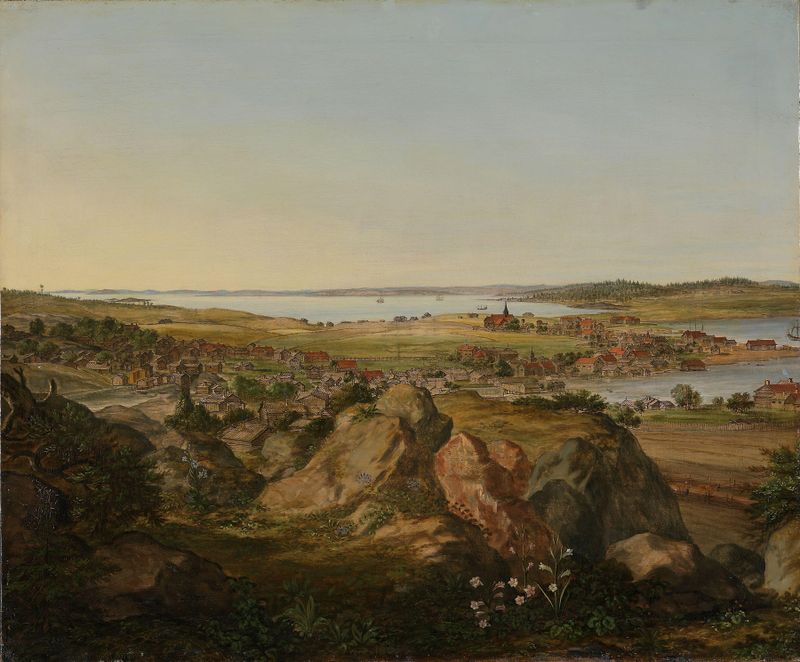
The gentle undulations of the terrain suggest a peace that’s almost palpable, yet a darker undertone lurks in the vastness—the solitude of nature stripped bare. Each brushstroke captures a fleeting moment, a revelation that echoes with the weight of existence, challenging us to reconcile the beauty we see with the silence that surrounds it. In 1699, Jacob Coning painted this work during a time when the Dutch Golden Age was reaching its zenith, and landscape painting was evolving into a more intimate expression of nature. Coning, often overshadowed by his contemporaries, sought to capture the tranquility of his surroundings while reflecting on the human condition.
This piece not only showcases his technical skill but also his desire to convey a deeper understanding of the world he inhabited.