Landscape — History & Facts
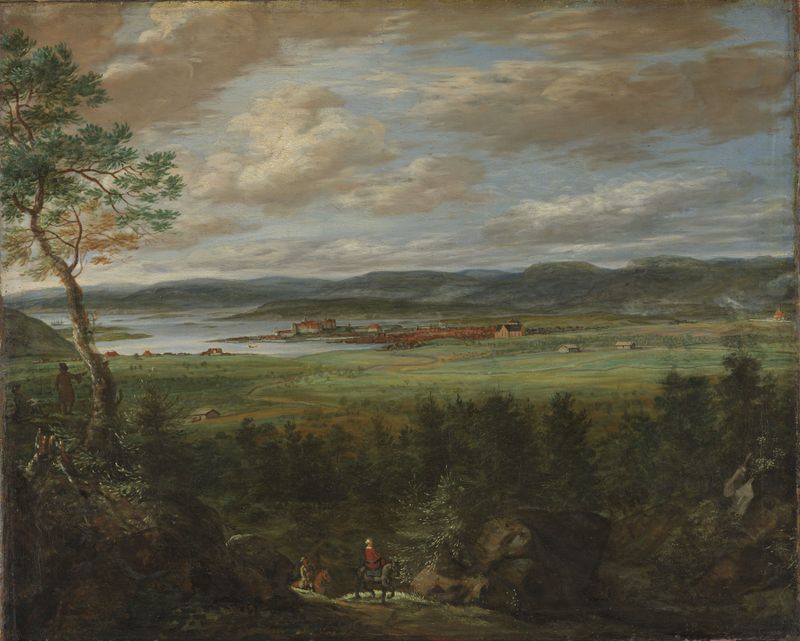
In the depths of a world teetering on the edge of despair, hope blooms like a wild flower in spring. This sentiment resonates through the pastoral beauty captured in the work from the early 18th century, inviting contemplation of the delicate balance between nature and mankind. Look closely at the vibrant greens and soft browns that dominate the canvas. The vast expanse of rolling hills draws the eye across the horizon, while flecks of sunlight dance upon a tranquil river.
Notice how Coning masterfully uses layered brushstrokes to create the illusion of depth, inviting viewers into a serene yet dynamic landscape, where serenity coexists with the gentle roar of nature's vitality. Beneath the surface, a rich tapestry of emotion unfolds. The interplay of shadow and light symbolizes the inexorable passage of time, hinting at both the fragility of life and the enduring power of nature. The distant mountains, shrouded in mist, suggest both an obstacle and a promise, embodying hope's ability to thrive even in the face of adversity.
Each detail, from the fluttering leaves to the distant figure, murmurs stories of resilience and renewal. Jacob Coning painted this landscape in 1702, a period marked by significant upheaval in Europe. Living through the shifts of the Baroque to the emerging Rococo, he found himself in a world grappling with the aftermath of conflict and change. Coning’s work reflects a moment of introspection amid the tumult, channeling a profound sense of beauty as a counterpoint to the chaos surrounding him.