
Landscape At Sunset — History & Facts
The quietude enveloping a landscape can hold as much weight as the grandest of gestures, especially during times of revolution. In this stillness, a profound narrative unfolds, inviting us to listen closely to the whispers of nature and history. Focus on the gentle hues that wash over the canvas, where warm oranges and deep purples entwine at the horizon, suggesting the day's end. Notice how the fading sunlight bathes the distant trees and rolling hills, creating a serene blend of color that feels both tranquil and haunting.
The composition is expertly balanced, leading the eye from the illuminated foreground to the shadowy depths, hinting at mysteries just beyond our reach. Yet, lurking beneath this picturesque serenity is an undercurrent of tension. The juxtaposition of light and dark speaks to the duality of peace and unrest, as if the landscape bears witness to the struggles of an era on the brink of change. The stillness of the water reflects not just nature, but also the hopes and fears of those who lived through it, encapsulating an emotional weight that lingers in the air. During an unspecified moment in the 19th century, the artist embraced the essence of plein air painting, capturing the world around him with a fresh perspective.
This period saw a significant shift in artistic expression, as artists sought to break free from the confines of traditional techniques. Corot's work embodies this spirit of exploration, mirroring the revolutionary fervor that permeated society, where art became a means of both reflection and escape.
More Artworks by Jean-Baptiste-Camille Corot
Browse all →
View of Genoa
Jean-Baptiste-Camille Corot
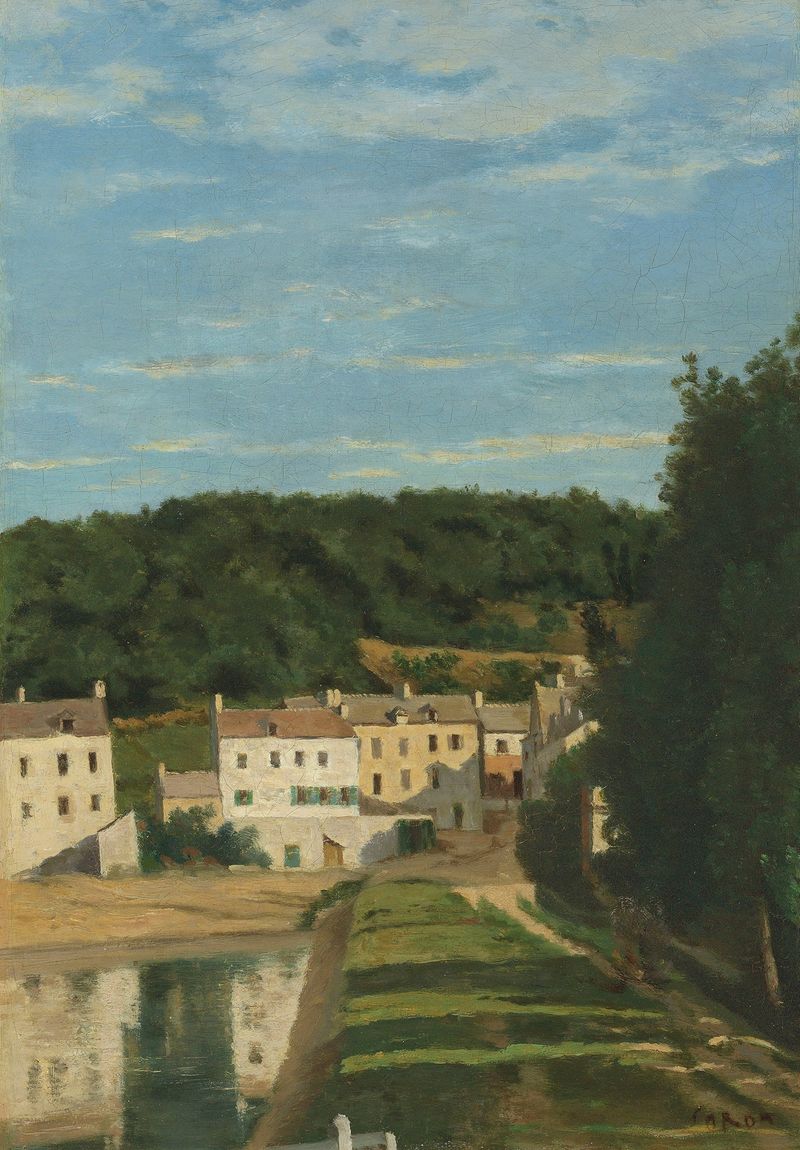
Les Maisons Cabassud À Ville D’avray
Jean-Baptiste-Camille Corot

La solitude. Souvenir de Vigen (Limousin)
Jean-Baptiste-Camille Corot
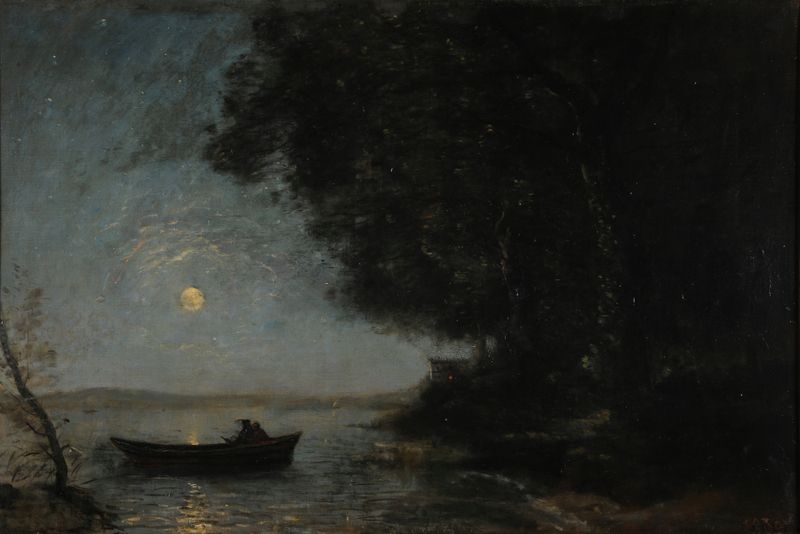
Le lac ; effet de nuit
Jean-Baptiste-Camille Corot
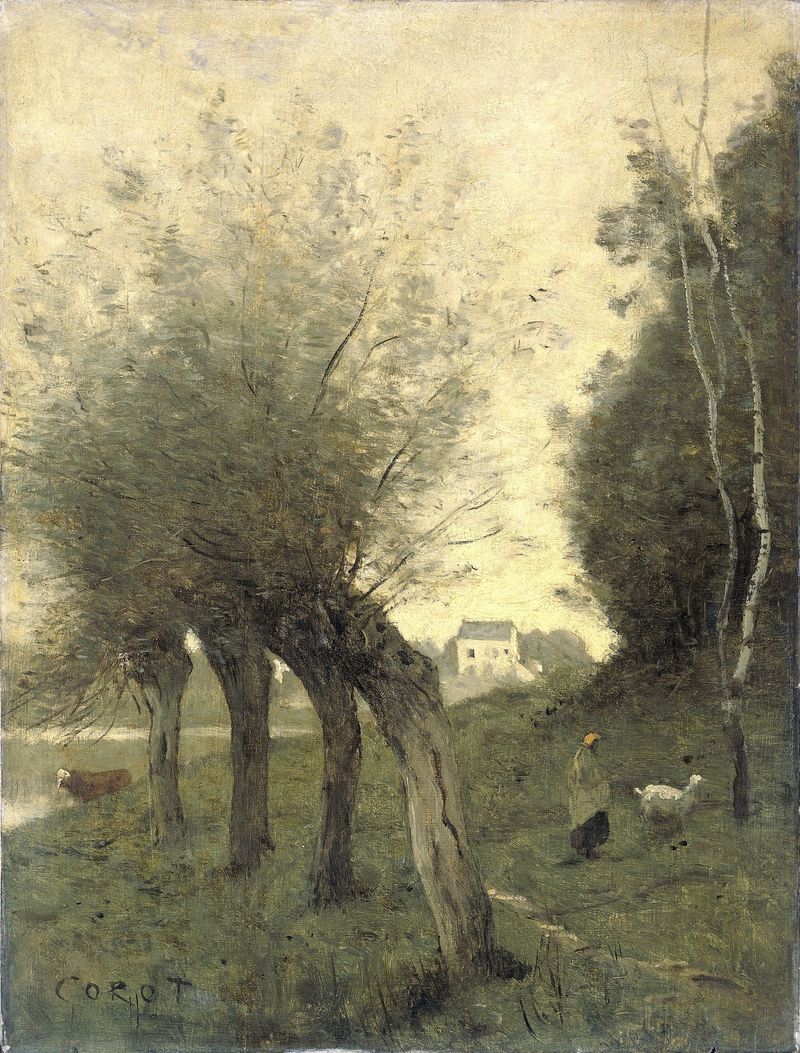
Landscape with Pollard Willows
Jean-Baptiste-Camille Corot
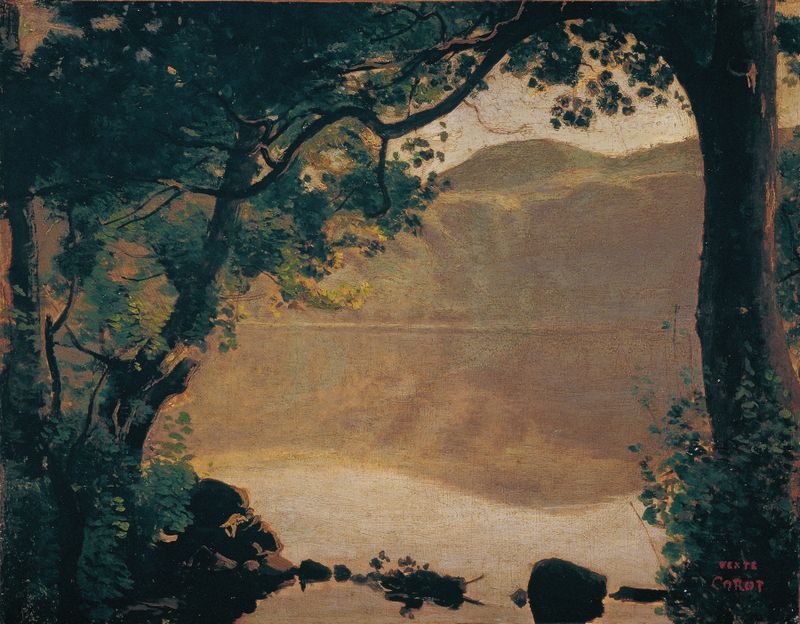
Der Nemisee
Jean-Baptiste-Camille Corot
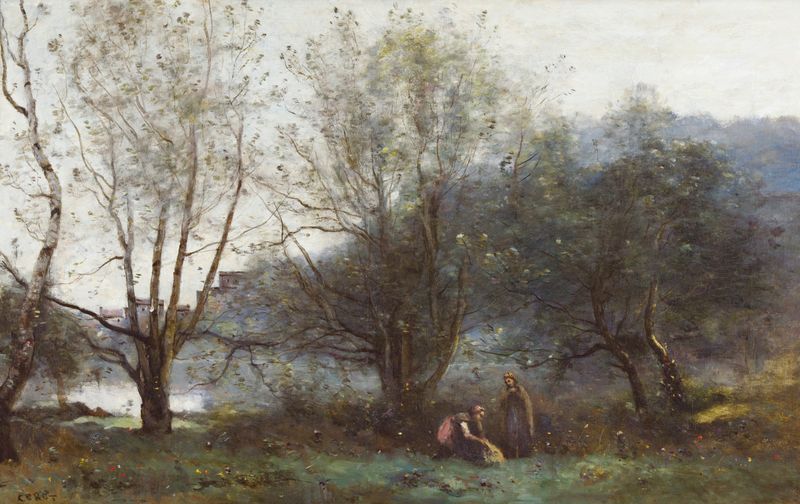
Les Étangs De Ville D’avray
Jean-Baptiste-Camille Corot
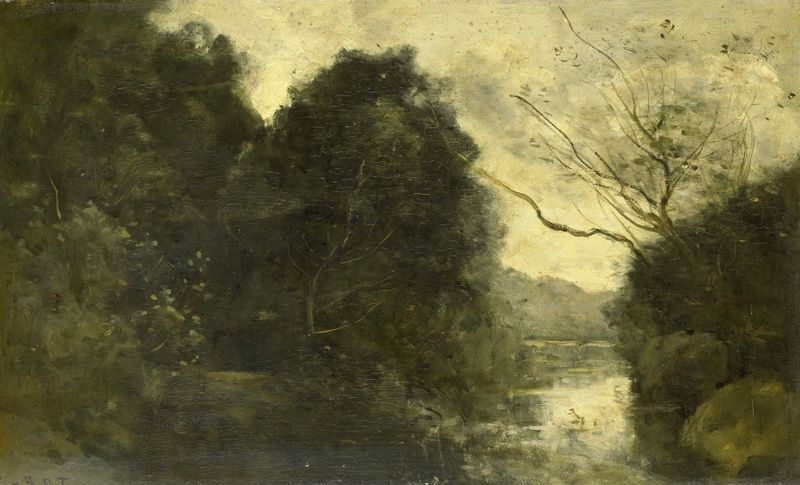
Pond in the Woods
Jean-Baptiste-Camille Corot
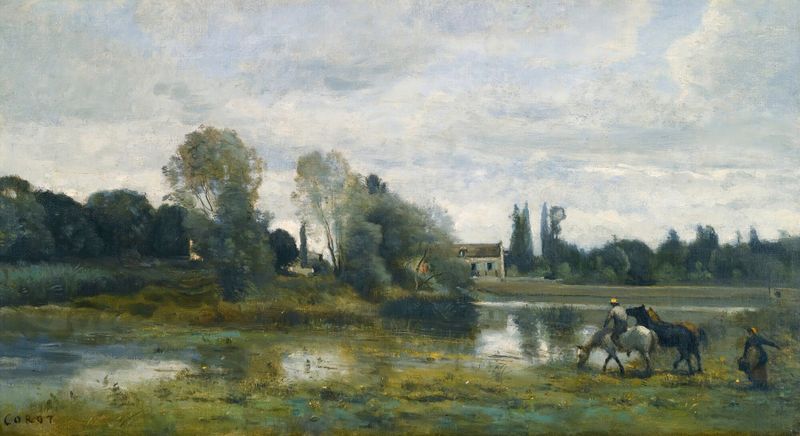
Ville D’avray; L’abreuvoir Des Chevaux
Jean-Baptiste-Camille Corot
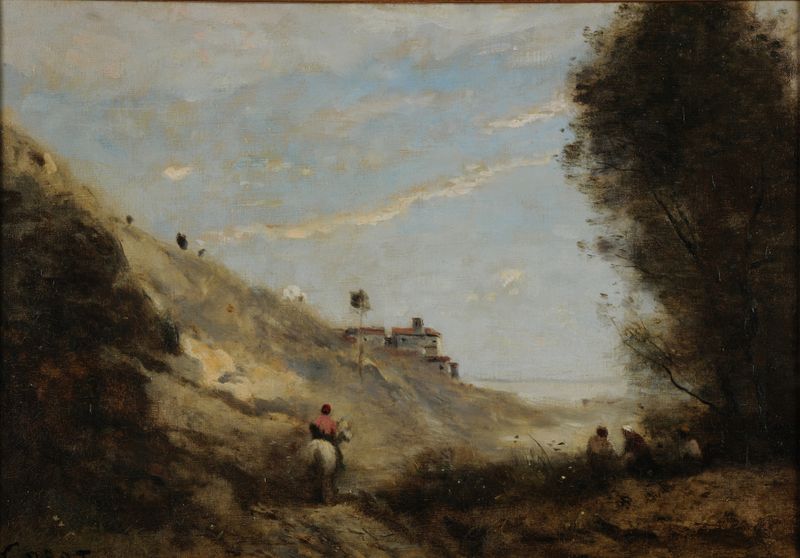
Le vallon au cavalier
Jean-Baptiste-Camille Corot





