Landscape from Cagnes — History & Facts
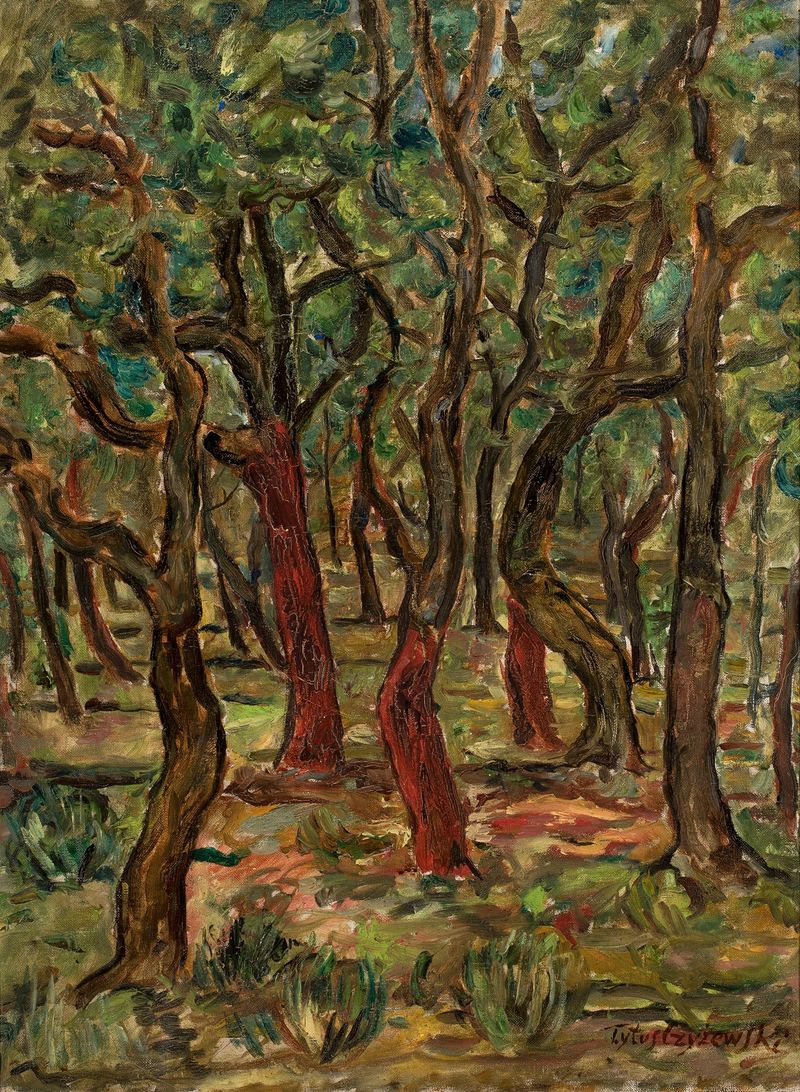
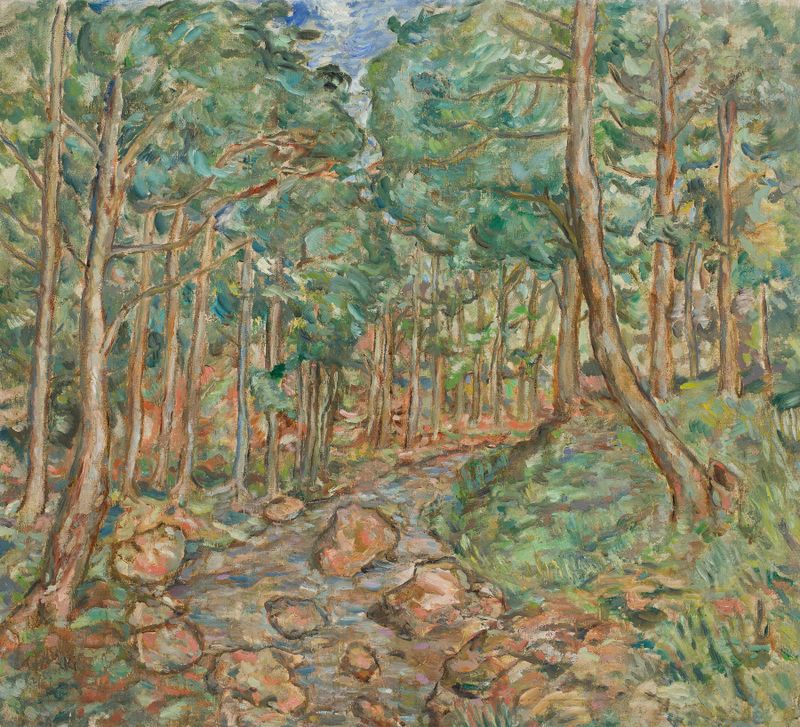
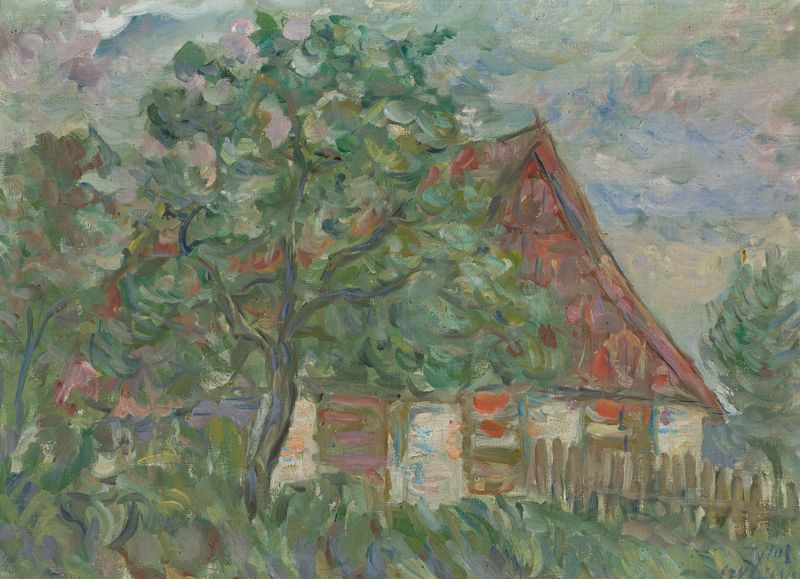
Could a single brushstroke hold eternity? In the delicate interplay between color and form, the fragility of existence is captured in a moment that transcends time. Look to the left at the horizon where a soft blue sky meets the gently rolling hills, painted with warm, earthy tones. Notice how the strokes are both bold and tender, creating a dynamic texture that breathes life into the landscape. The light cascades across the canvas, illuminating patches of vibrant green and golden yellow, inviting you to wander through this serene scene.
The composition draws your gaze inward, almost as if the land itself beckons you to explore its beauty. Yet, beneath the surface lies a deeper narrative. The juxtaposition of light and shadow speaks to the transient nature of life, hinting at a world both beautiful and ephemeral. The sweeping lines evoke the winds that dance through the valleys, while the subtle blending of colors captures the fleeting moments of dawn or dusk.
Each detail, from the distant trees to the gentle undulations of the terrain, encapsulates a fragile harmony—one that reminds us of the delicate balance between existence and oblivion. Tytus Czyżewski painted Landscape from Cagnes in 1925 while residing in France, a time when the modern art movement was blossoming. Influenced by the vibrant colors and bold strokes of post-impressionism, he was exploring new ways to express emotional depth through landscape. This period marked a significant evolution in his work, as he sought to capture not just the physical world, but also the ephemeral qualities of memory and experience.