Landscape near the Town of Skive with Skivehus Manor, Jutland — History & Facts
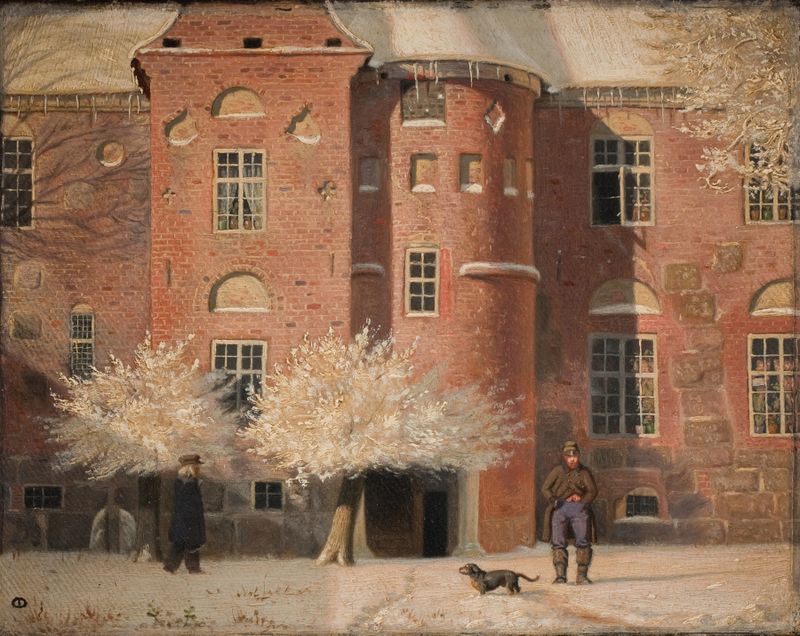
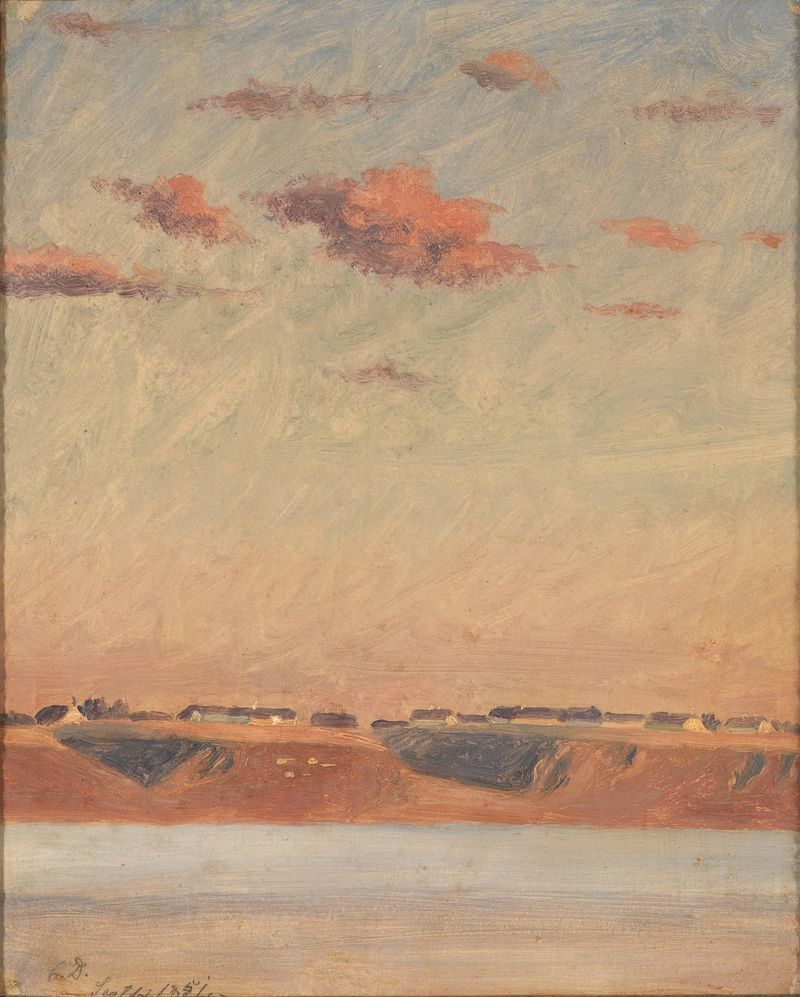
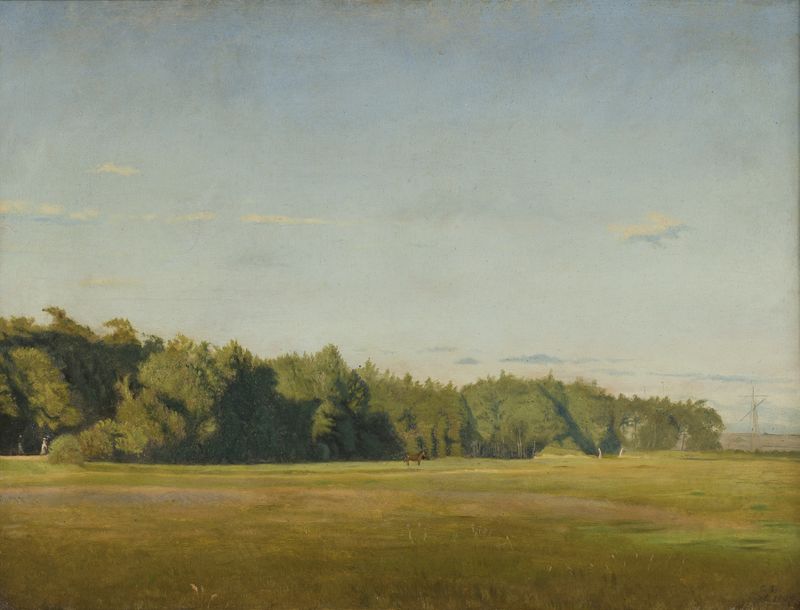
Did the painter know this moment would outlive them? In the stillness of time, Landscape near the Town of Skive with Skivehus Manor, Jutland captures a tranquil scene that whispers secrets of both the past and the present. It invites us to ponder the fleeting nature of existence and the revelations hidden within a single frame. Look to the center, where the imposing Skivehus Manor stands resolute against a backdrop of soft rolling hills. The gentle gradient of greens and browns extends into the horizon, creating a lush tapestry that cradles the building like an embrace.
Notice how the warm sunlight filters through the clouds, casting a golden glow that dances across the landscape, enhancing the idyllic quality of the scene. Dalsgaard’s technique, characterized by delicate brushwork and a harmonious palette, evokes both serenity and nostalgia, offering a glimpse into the soul of a place steeped in history. Yet, amidst the tranquility lies a tension; the manor’s sturdy structure contrasts with the ephemeral beauty of nature surrounding it. The modest figures of townsfolk populate the foreground, their presence diminutive against the grand architecture that looms behind, suggesting the interplay of human ambition and the eternal passage of time.
The painting resonates with the weight of history, each detail revealing an emotional landscape where tradition meets the inevitable changes of life. In 1849, Dalsgaard painted this piece while firmly rooted in Denmark, a time of national identity exploration and artistic revival following the upheaval of the Napoleonic Wars. This was an era when artists sought to connect deeply with their local environments, reflecting the emerging Romantic ideals that celebrated nature and heritage. The work stands as a testament to his dedication to portraying the profound bond between people and their landscapes, inviting viewers to reflect on their own place within the tapestry of time.