
Landscape, Plate 4, Remarque, Snake — History & Facts
Could beauty survive in a century of chaos? In Landscape, Plate 4, Remarque, Snake, the viewer is invited to ponder the relationship between nature and the tumult that surrounds it. Look to the foreground, where the sinuous form of a snake gracefully weaves through a lush, verdant landscape. The vibrant greens are punctuated by soft earth tones, creating a rich tapestry of life and vitality. Notice how the gentle brushstrokes blend hues, inviting your eye to explore the intricate details of the foliage, while a soft light bathes the scene, enhancing the serene atmosphere.
It’s as if the artist captured a fleeting moment, one that oscillates between tranquility and tension. Delve deeper into the contrasts present in the work. The snake, both a symbol of danger and a creature of beauty, evokes a tension between fear and fascination. Among the delicate blooms and thriving vegetation, the viewer senses a fragile peace, underscored by the potential for disruption inherent in nature itself.
This duality mirrors the societal upheaval of the time, hinting at the delicate balance between creation and destruction. Charles Marie Dulac painted this piece between 1892 and 1893 during a period of significant artistic experimentation. As the Impressionist movement gained momentum in France, Dulac found himself influenced by the reaction against traditional realism. This artwork reflects his exploration of the natural world, capturing the essence of beauty amidst a backdrop of impending change — a legacy of resilience in the face of uncertainty.
More Artworks by Charles Marie Dulac
Browse all →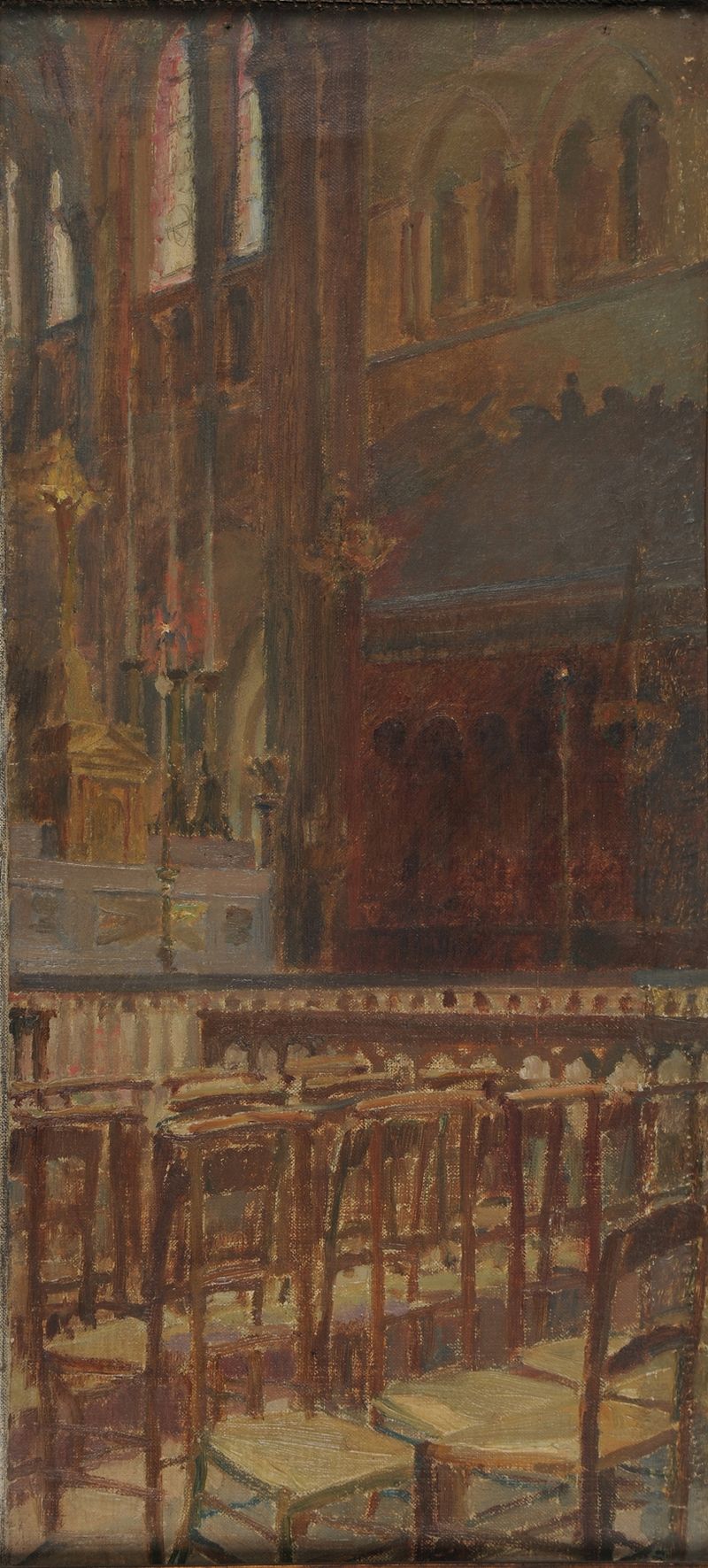
Chapelle à Saint-Germain-des-Prés
Charles Marie Dulac
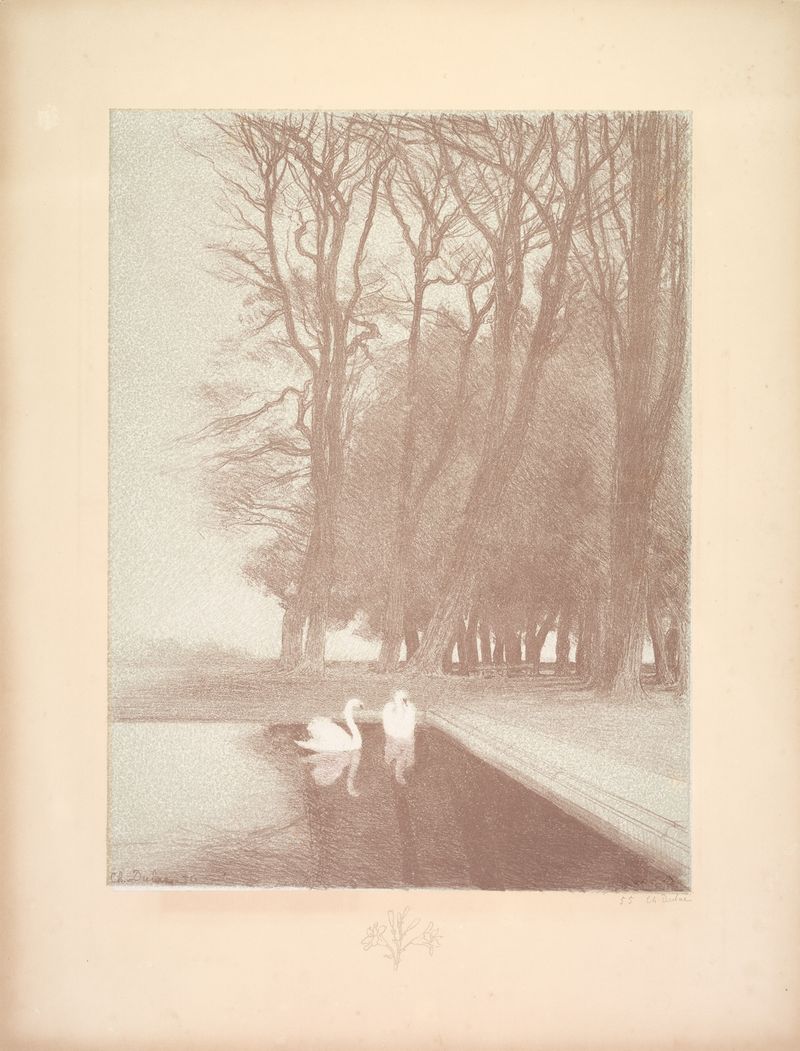
Landscape, Plate 6, Remarque, Lilies
Charles Marie Dulac
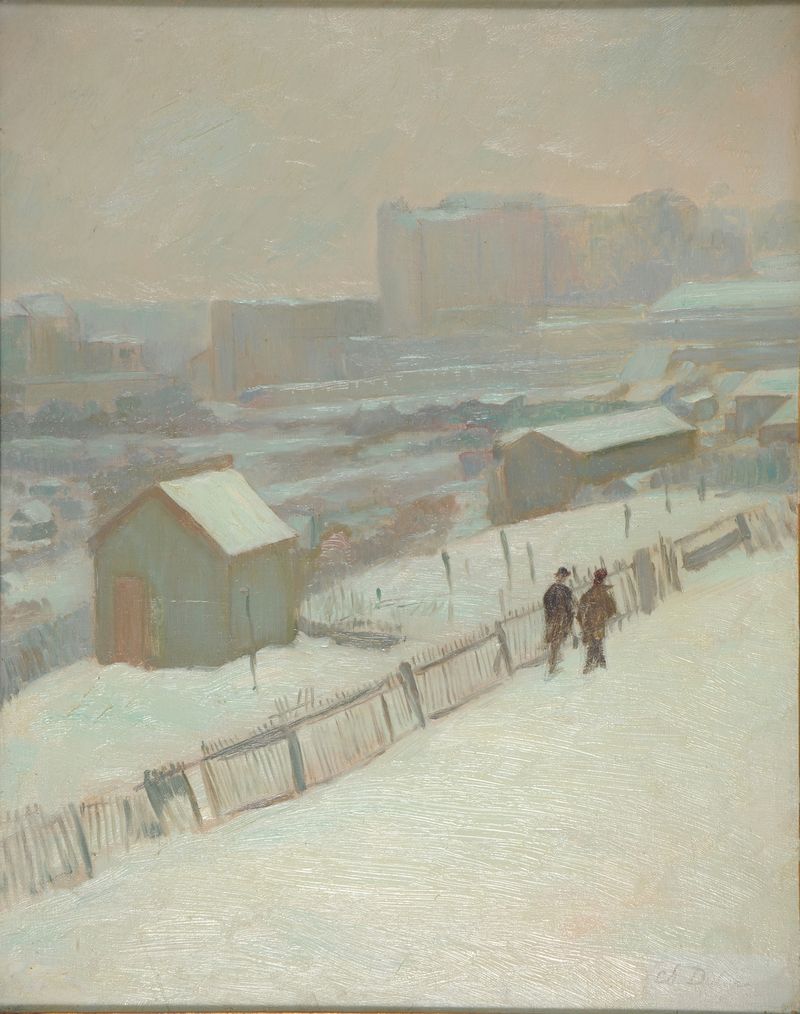
La neige à Montmartre
Charles Marie Dulac
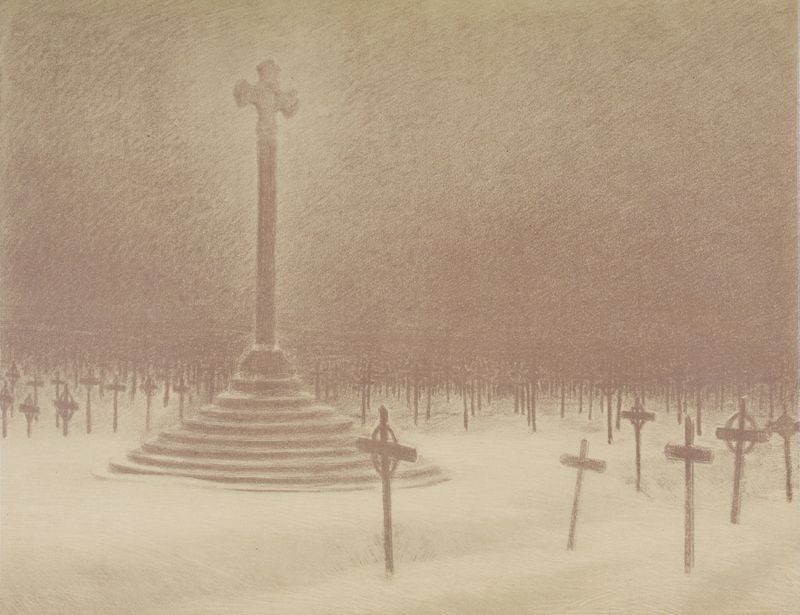
Auxilium Christianorum. Jesu Refugium Nostrum
Charles Marie Dulac
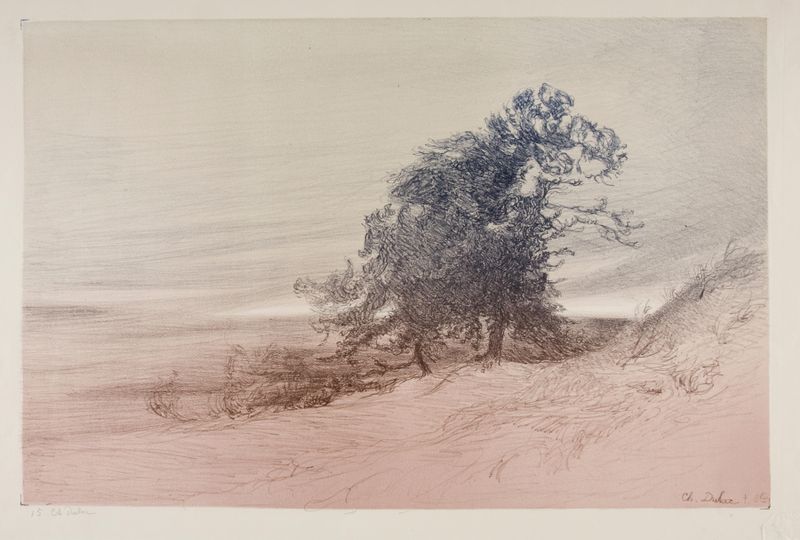
Groupe d’arbres
Charles Marie Dulac
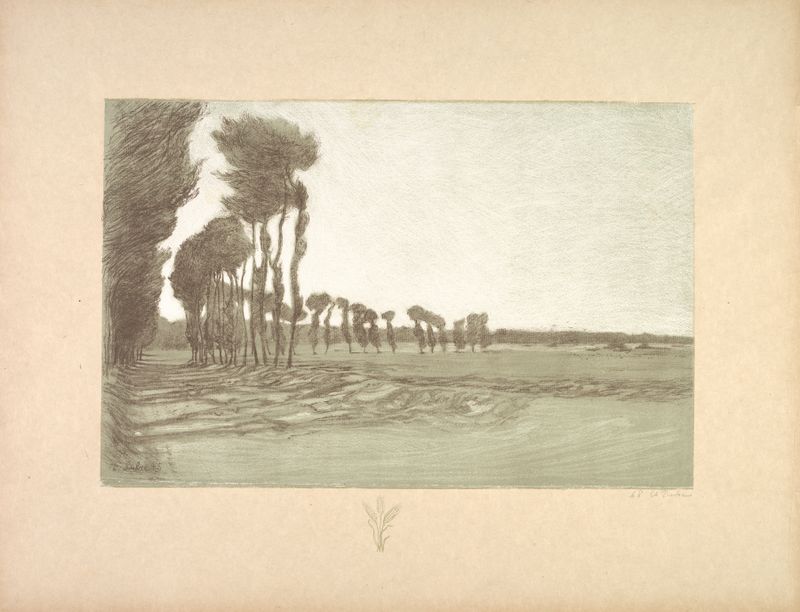
Landscape, Plate 5, Remarque, Three Stalks of Wheat
Charles Marie Dulac
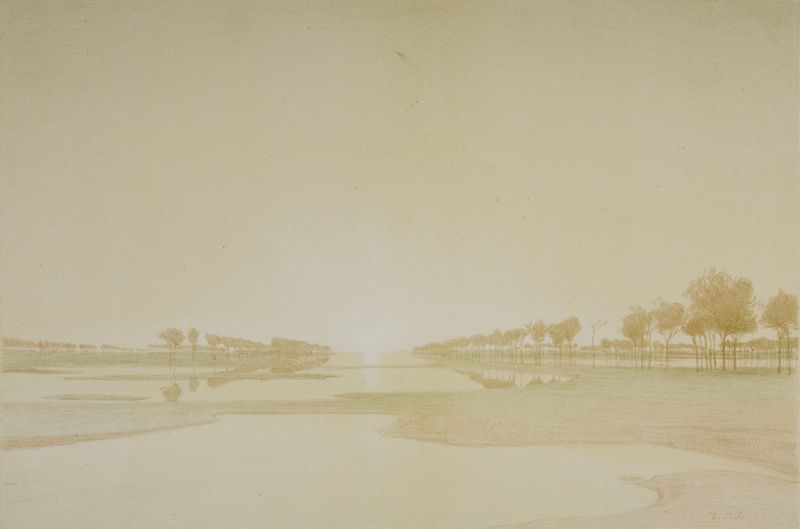
Jesu Sol Justitiae
Charles Marie Dulac
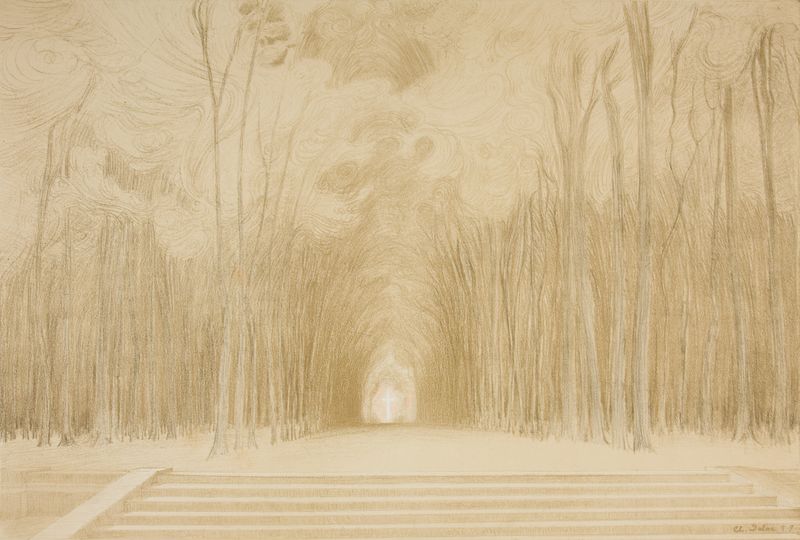
Jesu Corona Sanctorum Omnium. Jesu Sapientia Aeterna
Charles Marie Dulac
Chapelle à Saint-Germain-des-Prés
Charles Marie Dulac
Landscape, Plate 2, Remarque, Starflowers
Charles Marie Dulac





