Discover insights about this artwork
Landscape Seen from the Inside of a Cave — History & Facts
In Landscape Seen from the Inside of a Cave, Paul Cézanne presents a captivating view of the outside world framed by the cave's rocky interior. The colors are rich and earthy, with deep greens and browns dominating the composition. Light filters through the cave opening, illuminating patches of the landscape beyond.
The scene is alive with texture, suggesting the roughness of the cave walls contrasted with the softness of the distant trees and hills. Cézanne's technique is evident in the brushstrokes, which are both deliberate and expressive. The layering of paint creates depth, allowing the viewer to feel the three-dimensionality of the cave and the landscape. The use of color is particularly striking, with Cézanne employing a palette that emphasizes the natural hues of the environment.
This painting exemplifies his Post-Impressionist style, focusing on structure and form. Paul Cézanne is often regarded as a bridge between Impressionism and modern art. This particular work, created in the 1890s, reflects his fascination with nature and the interplay of light and shadow. Interestingly, Cézanne painted this scene multiple times, exploring different perspectives and compositions.
His dedication to capturing the essence of the landscape has made him a pivotal figure in the evolution of modern art.
More Artworks by Paul Cézanne
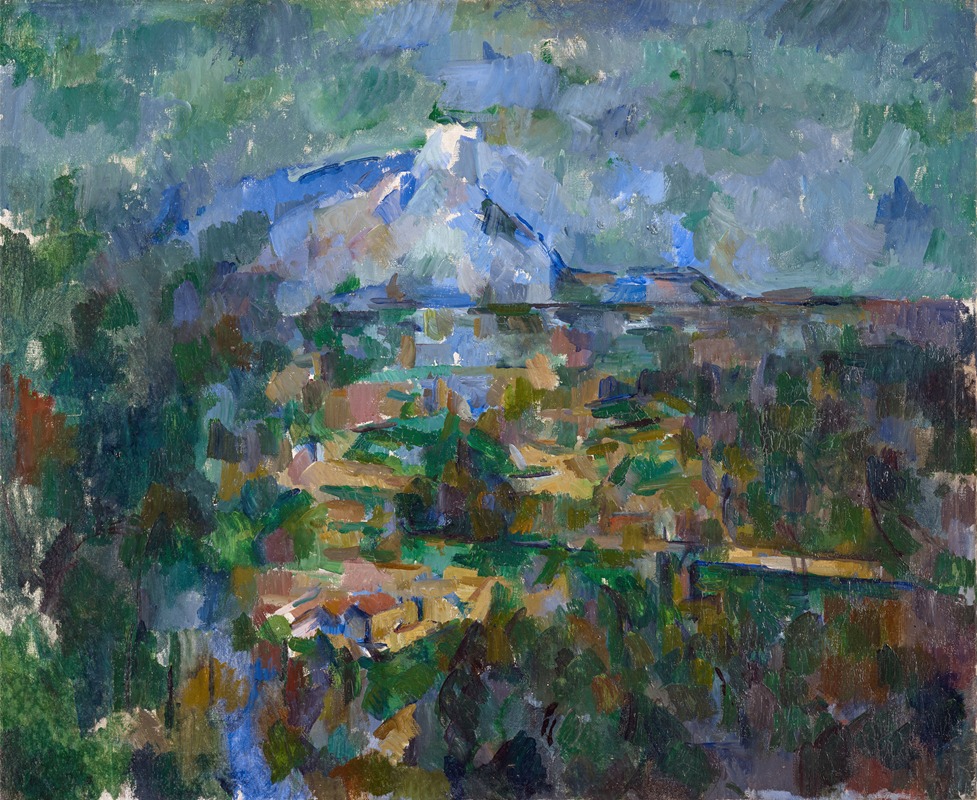
The Mont Sainte-Victoire Seen From Les Lauves
Paul Cézanne
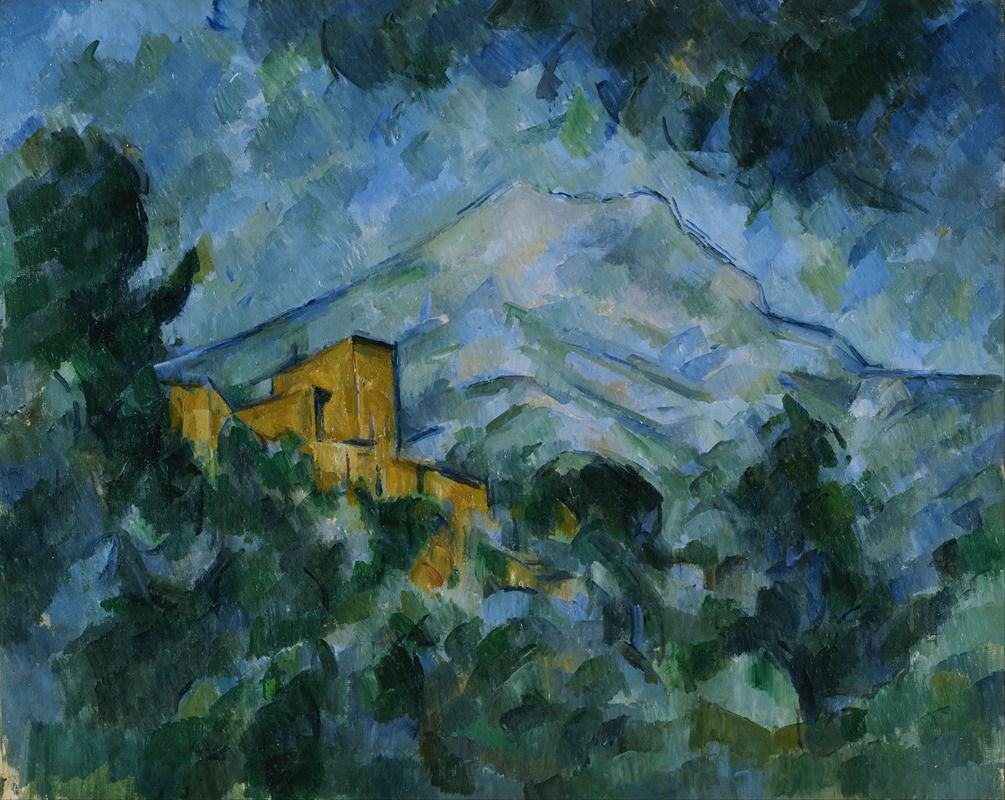
Mont Sainte-Victoire and Château Noir
Paul Cézanne
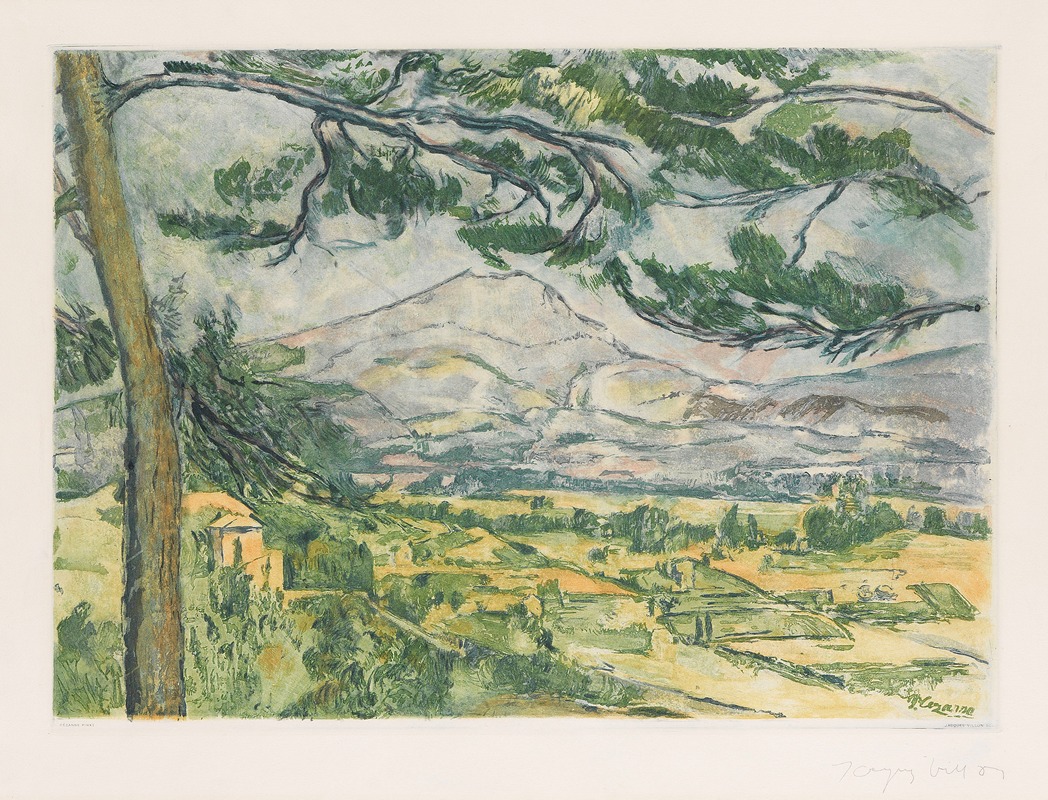
La Montagne Sainte-Victoire
Paul Cézanne
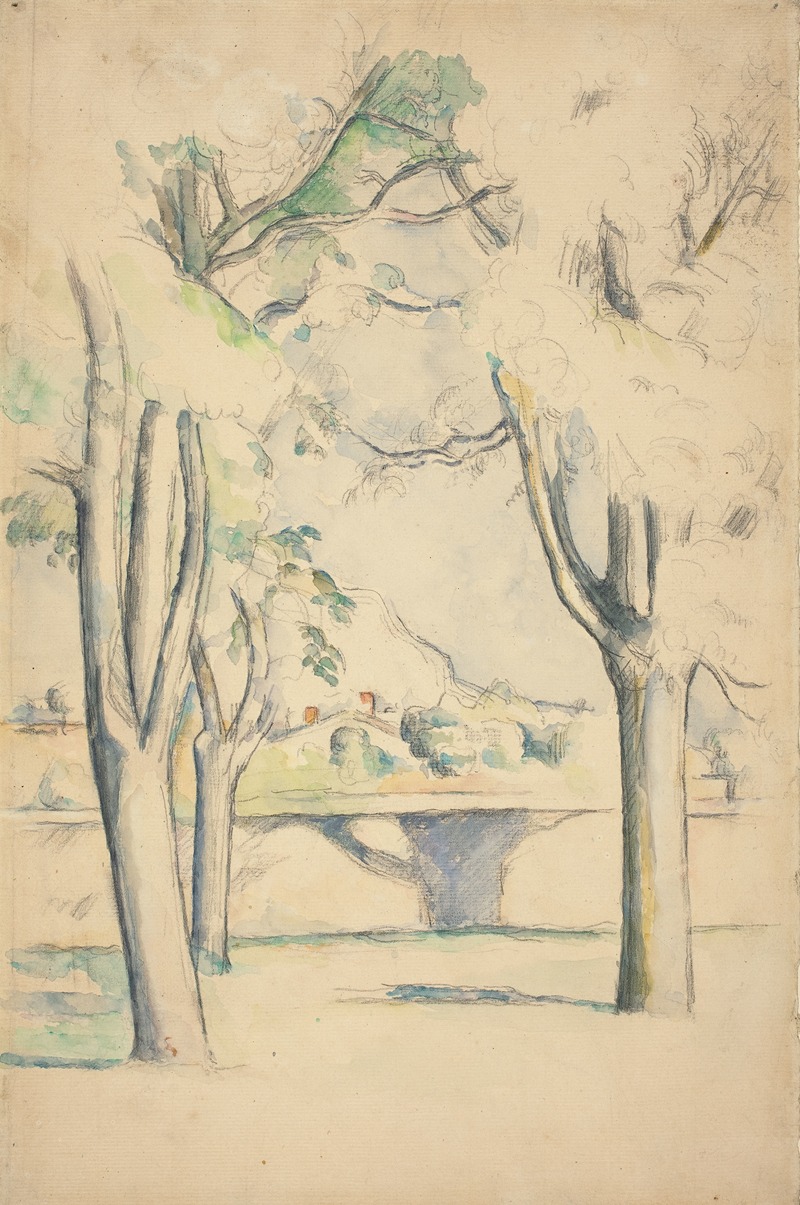
Mont Sainte-Victoire Seen beyond the Wall of the Jas de Bouffan
Paul Cézanne
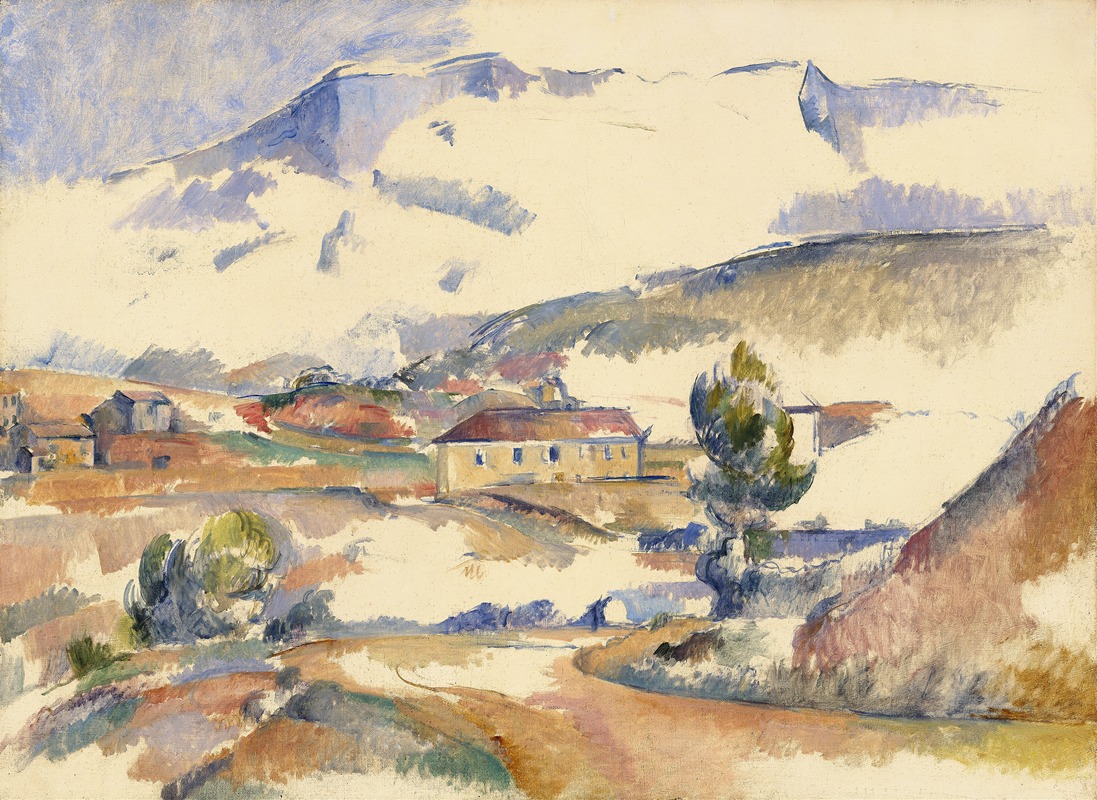
Montagne Sainte-Victoire,from near Gardanne
Paul Cézanne
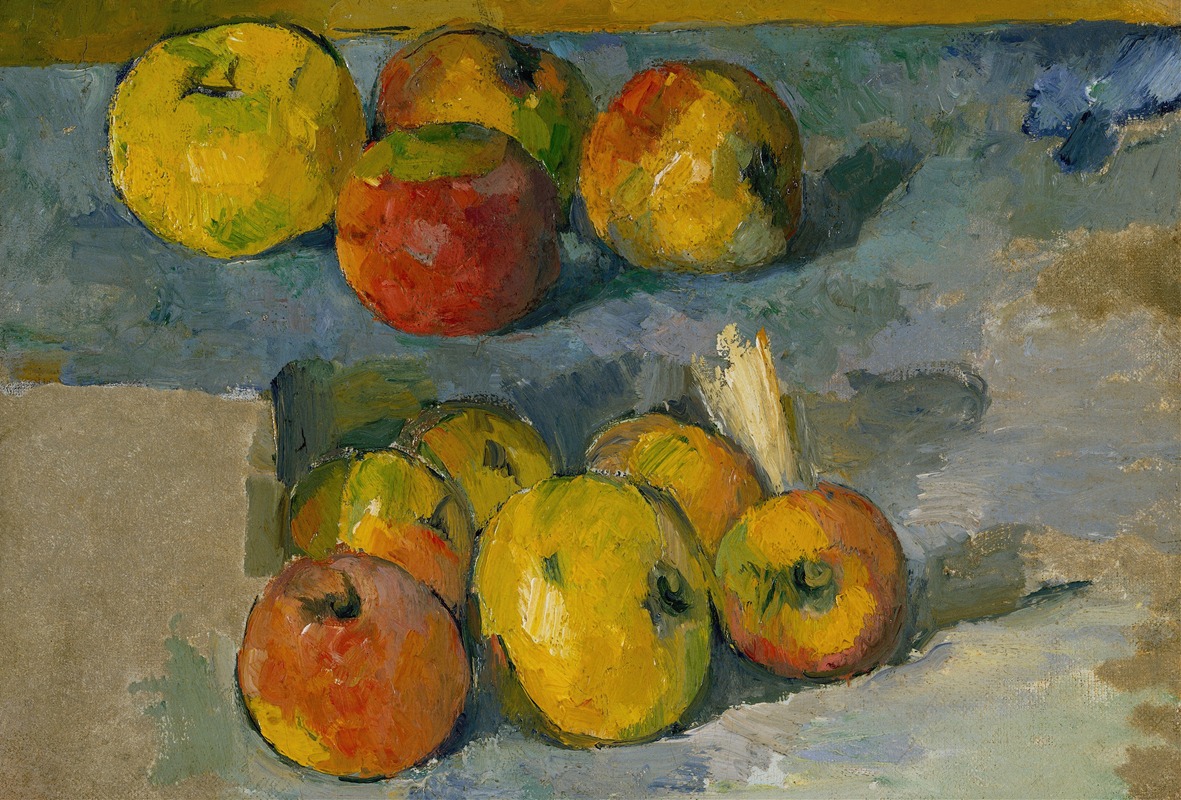
Apples
Paul Cézanne
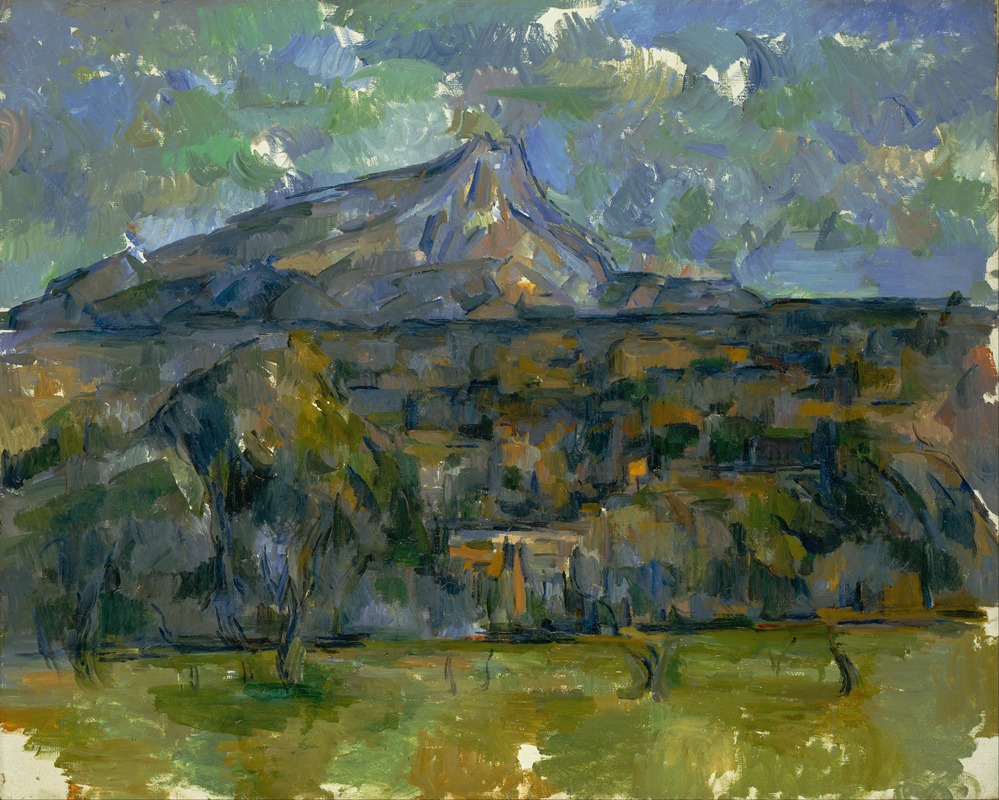
Mont Sainte-Victoire
Paul Cézanne
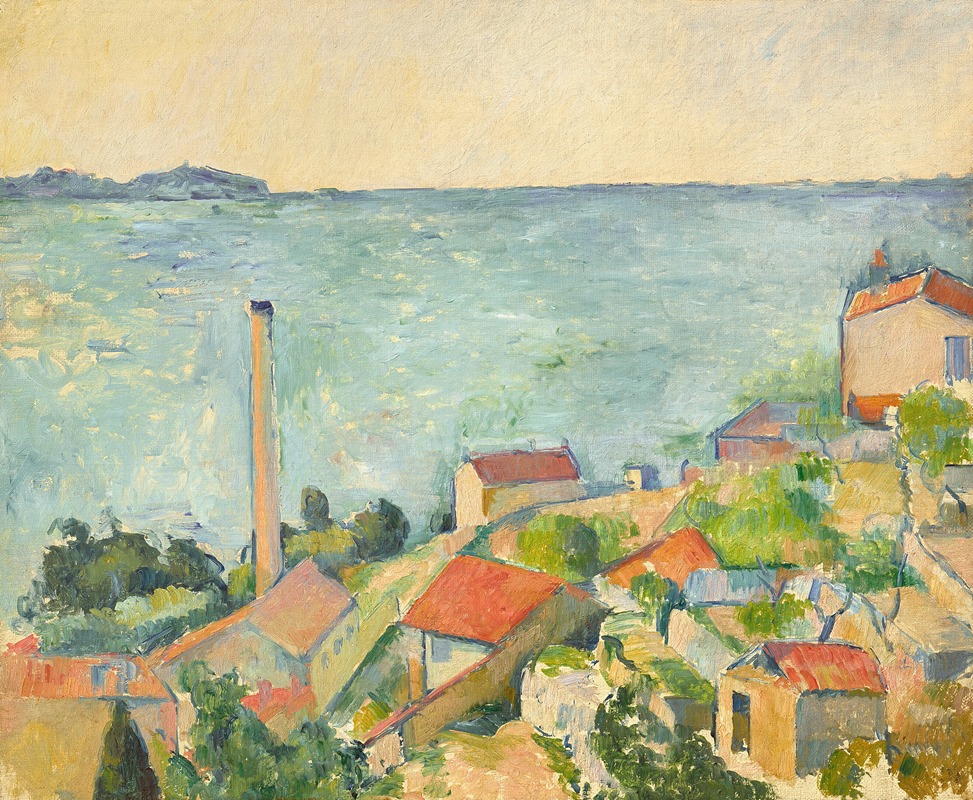
La mer à l’Estaque
Paul Cézanne
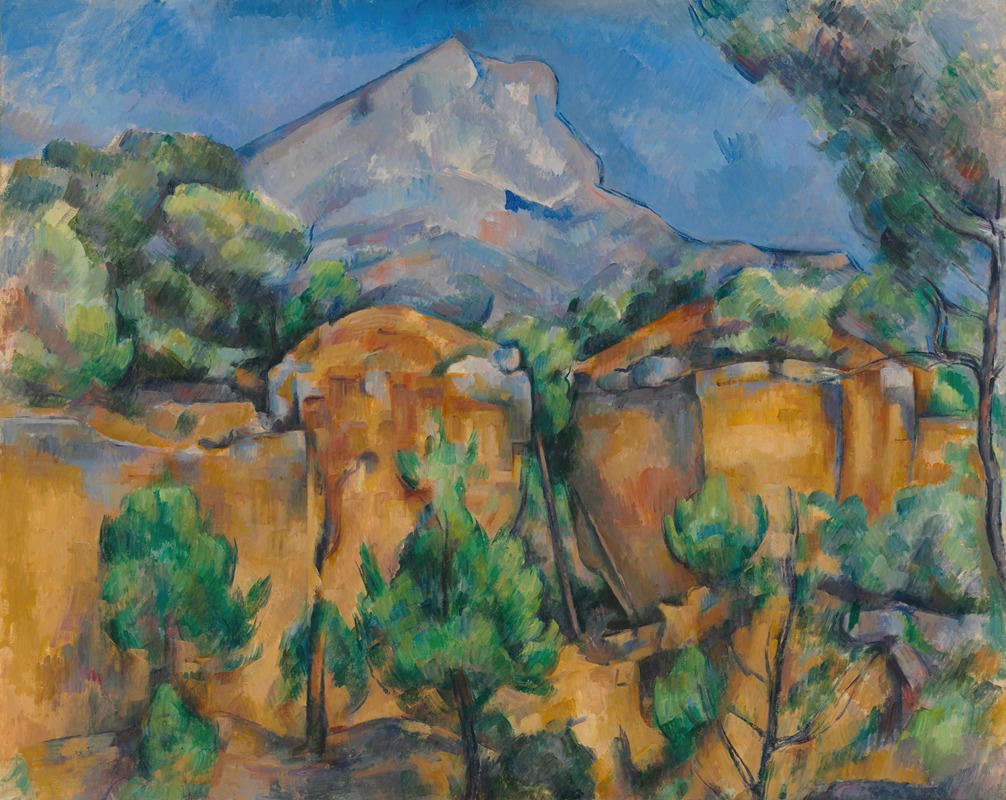
La Montagne Sainte-Victoire vue de la carrière Bibémus
Paul Cézanne
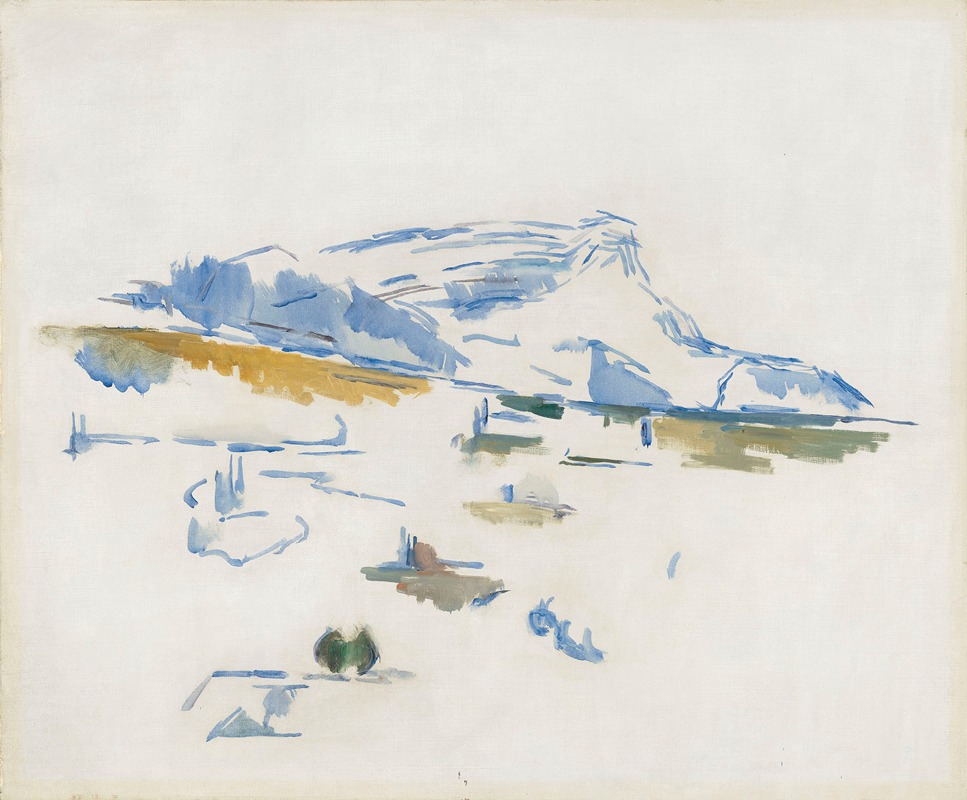
La Montagne Sainte-Victoire vue des Lauves
Paul Cézanne