
Landscape, Site of Greece — History & Facts
Can beauty exist without sorrow? In Landscape, Site of Greece, the answer lingers in the air, as lusciously rendered hills loom majestically over the viewer, inviting reflection on the duality of nature's splendor and its hidden tumult. Look to the foreground, where the palette of verdant greens swells with life, contrasting sharply against the stark white of crumbling ruins. Notice how the light dances across the landscape, illuminating the contours of the hills while casting deep shadows that speak of time’s passage. The brushwork is meticulous, allowing each leaf and stone to breathe, yet the abandoned structures hint at a history marred by violence and loss.
This juxtaposition creates a dialogue between serenity and a haunting sense of absence. Delving deeper, the perspectives draw your eye toward the horizon, where the vastness of the sky looms over the earth, suggesting both hope and despair. The interplay of light and shadow evokes a tension, whispering of the forgotten lives once filled with spirit. The beauty of this landscape is inextricably linked to the sorrow of its past—each layer of paint narrates a story of transformation and decay, of resilience forged through suffering. In the mid-19th century, when this piece was created, Jean-Victor Bertin stood at the cusp of an evolving art world.
Working in Paris, he was influenced by Romanticism, yet sought to portray the sublime landscapes with a neoclassical precision. As European artists grappled with revolutions and changes in society, Bertin’s landscapes provided an escape, even as they quietly carried the weight of history within their serene exteriors.
More Artworks by Jean-Victor Bertin
Browse all →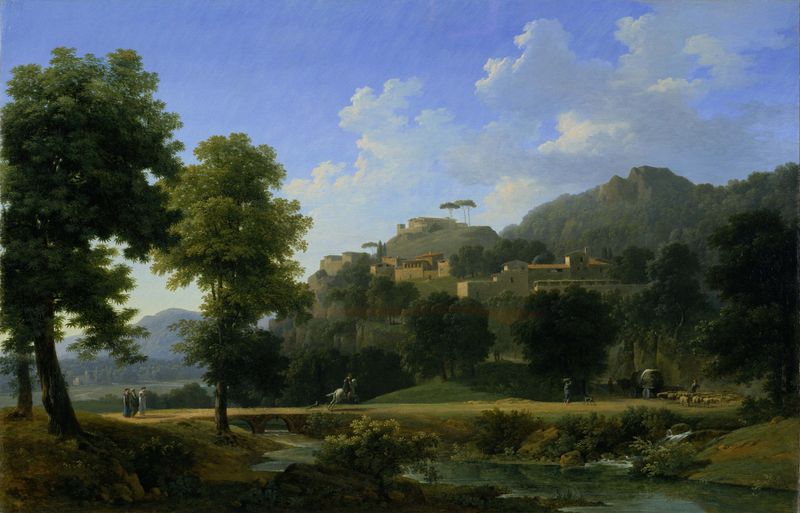
Italian Landscape
Jean-Victor Bertin
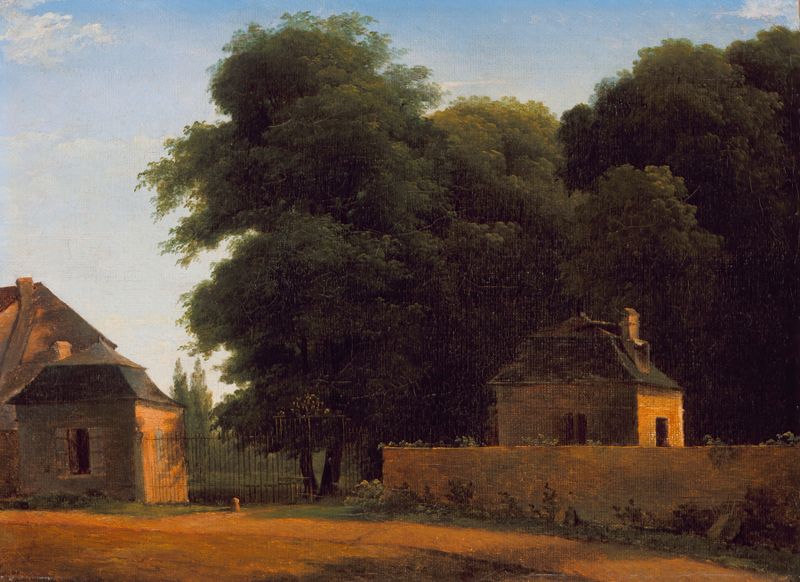
Entry to the Park at St. Cloud
Jean-Victor Bertin
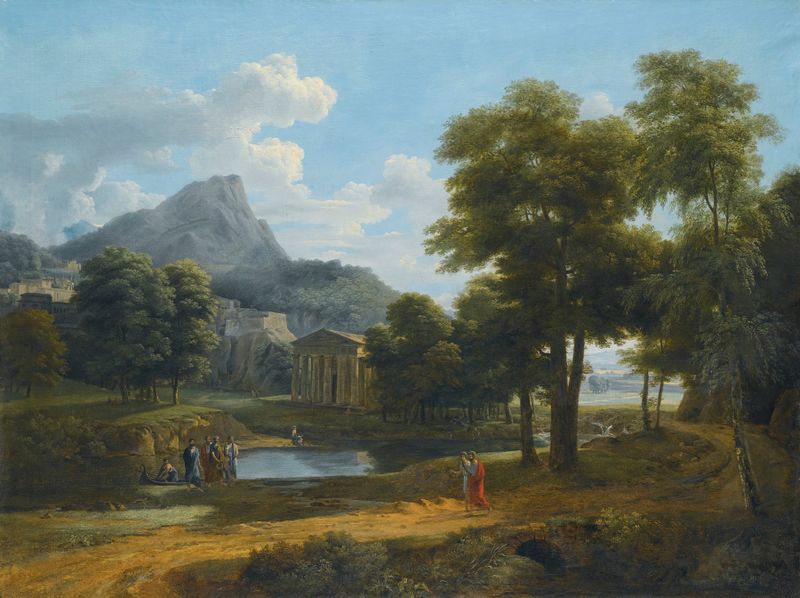
A Mountainous Landscape, With A View Of Pheneos And The Temple Of Minerva Caphyes
Jean-Victor Bertin
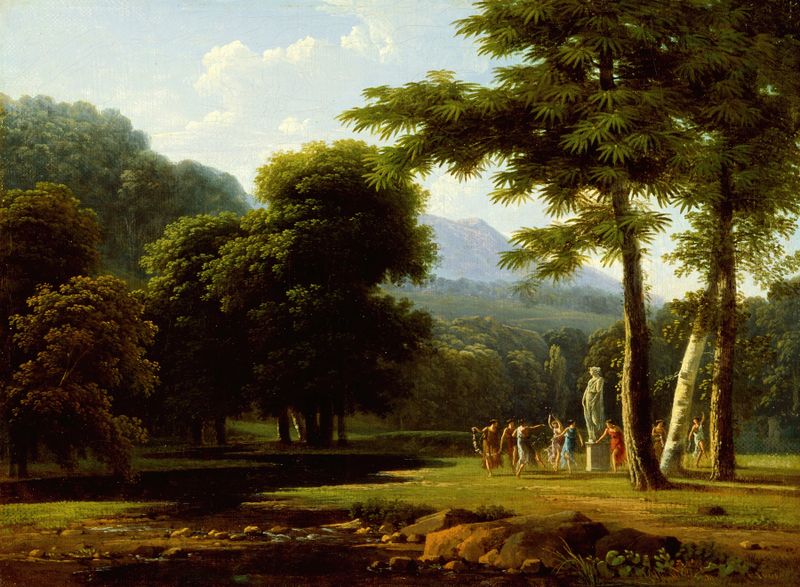
Landscape
Jean-Victor Bertin
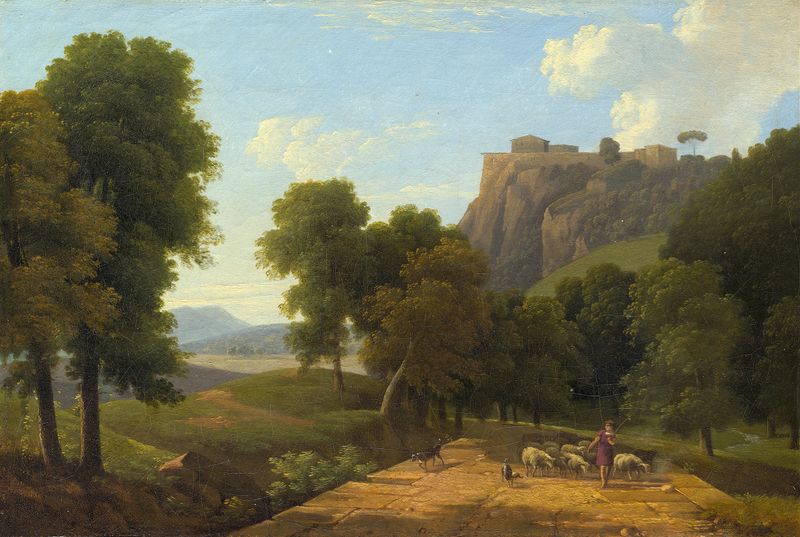
Shepherd with his Flock
Jean-Victor Bertin
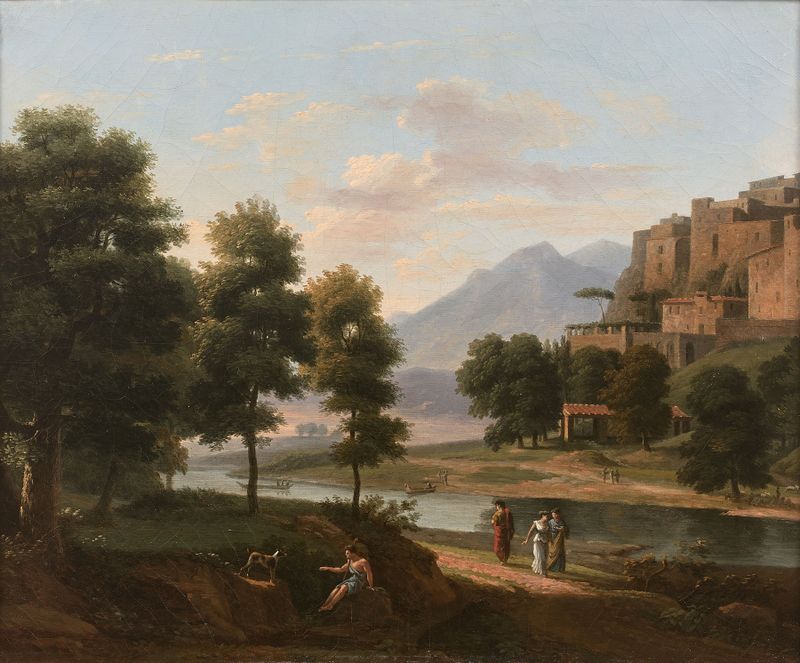
Paysage d’Arcadie animé de personnages
Jean-Victor Bertin
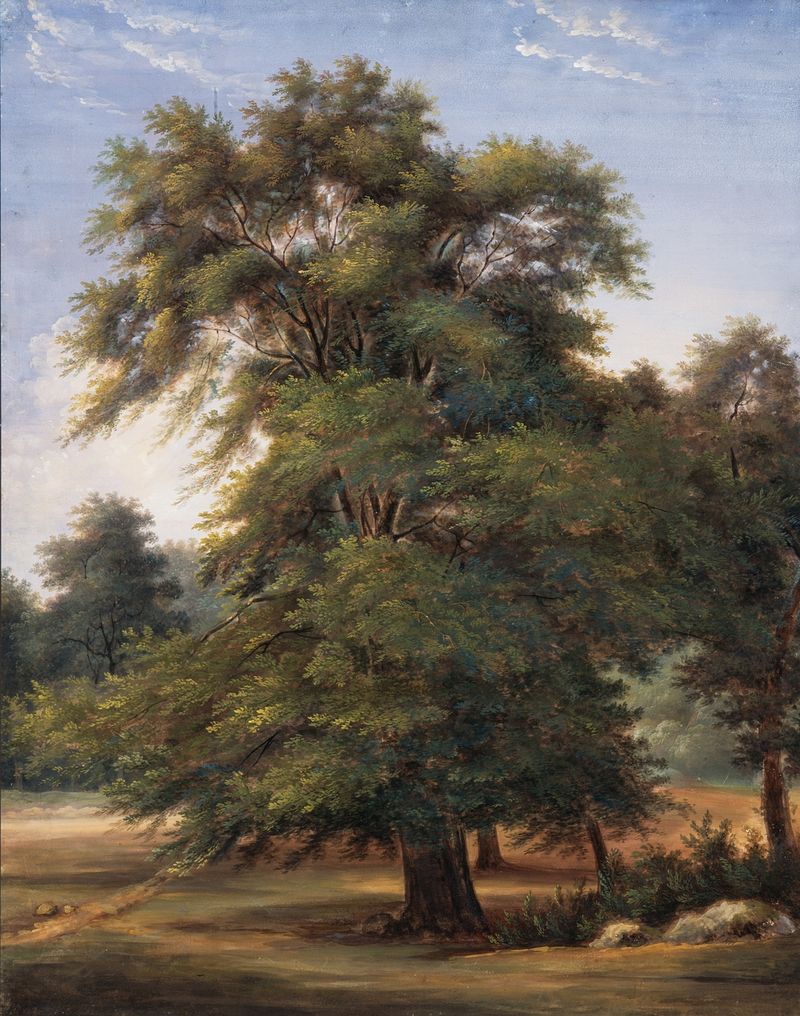
Study of a Tree
Jean-Victor Bertin
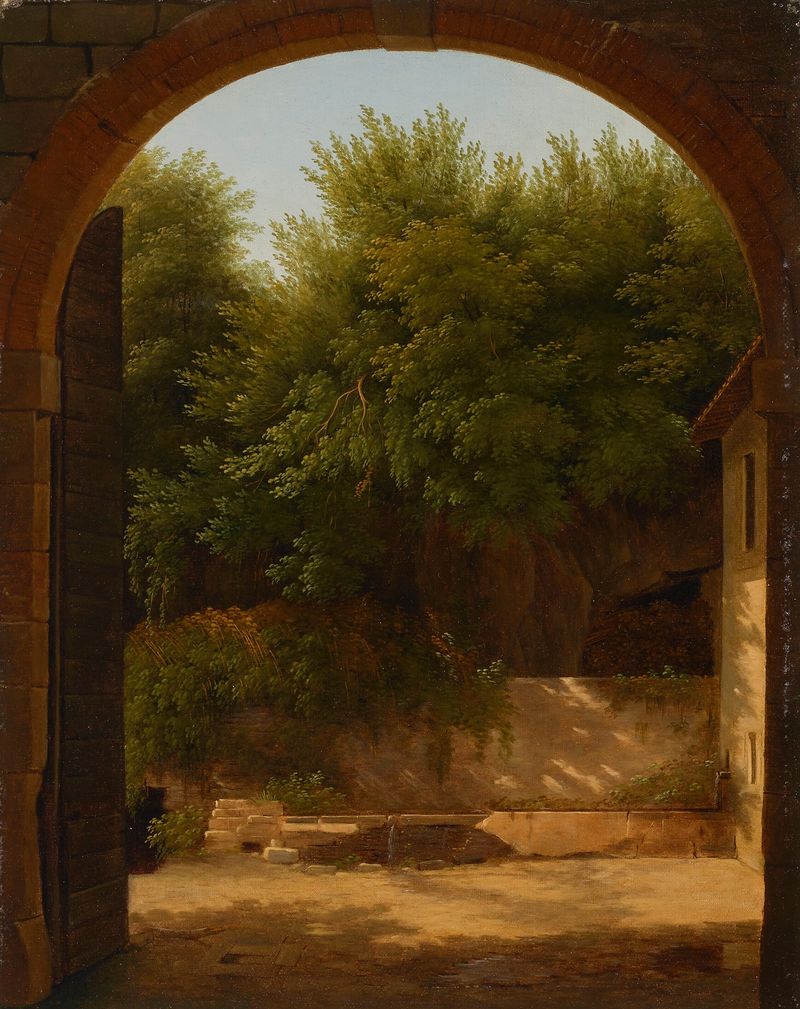
A view of a sunlit courtyard with a trough, seen through an archway
Jean-Victor Bertin
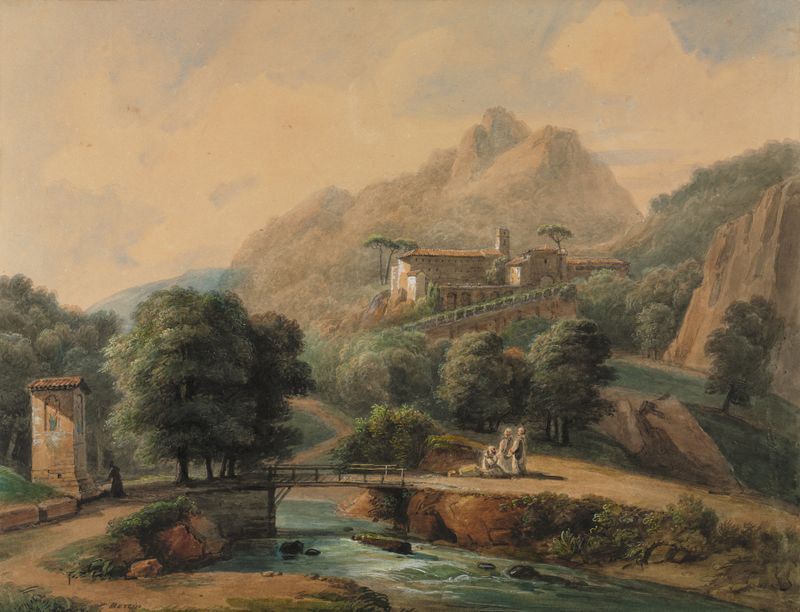
Paysage Italien; L’Abbaye et Les Religieux
Jean-Victor Bertin
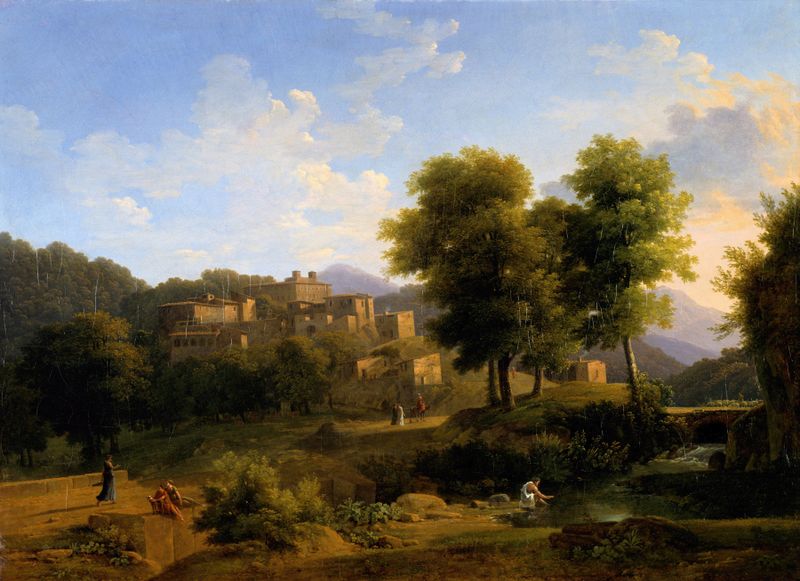
View of a Town in the Sabine Hills
Jean-Victor Bertin





