
Landscape study — History & Facts
What if silence could speak through light? In Landscape Study, the gentle embrace of twilight captures a moment when nature breathes, inviting the viewer into its calm expanse. Look to the horizon where soft hues of blue and gold intermingle, creating an ethereal glow. The delicate brushwork reveals distant hills, their silhouettes tenderly outlined against the fading light. Follow the flowing lines of the river as they meander through the foreground, reflecting the sky's colors in a shimmering dance.
Each stroke evokes a serenity that stirs the soul, highlighting the artist's mastery in capturing the fleeting beauty of nature. Beneath the tranquil surface lies a profound emotional tension; the interplay of light and shadow creates a dialogue between hope and melancholy. The rising mist wraps around the landscape, suggesting both mystery and introspection. The harmony of colors reflects a moment caught between day and night, where the promise of new beginnings coexists with the acceptance of endings, inviting viewers to contemplate their own journeys. In 1833, while working in Norway, the artist found himself deeply influenced by the Romantic movement, which celebrated nature's sublime beauty and emotional depth.
This period in art history was marked by a shift toward capturing the ephemeral qualities of the natural world, a theme that resonates powerfully in Landscape Study. Fearnley's dedication to portraying the Norwegian landscape during this time reveals his desire to connect viewers with the awe of nature, reflecting both personal experience and the broader artistic currents of his era.
More Artworks by Thomas Fearnley
Browse all →
Norwegian Landscape, Marumfoss
Thomas Fearnley

View of the Oslofjord
Thomas Fearnley

Gudvangen
Thomas Fearnley

Stormy Landscape with a Rider
Thomas Fearnley
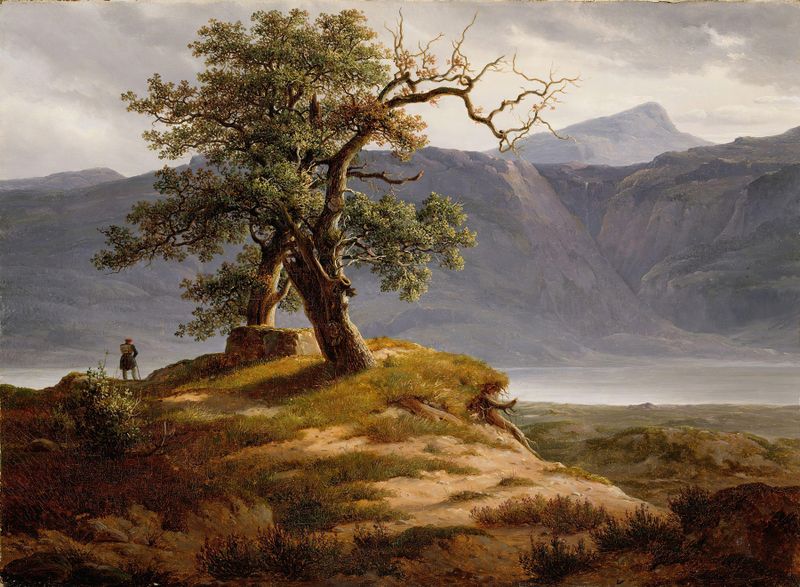
Landscape with a Wanderer
Thomas Fearnley
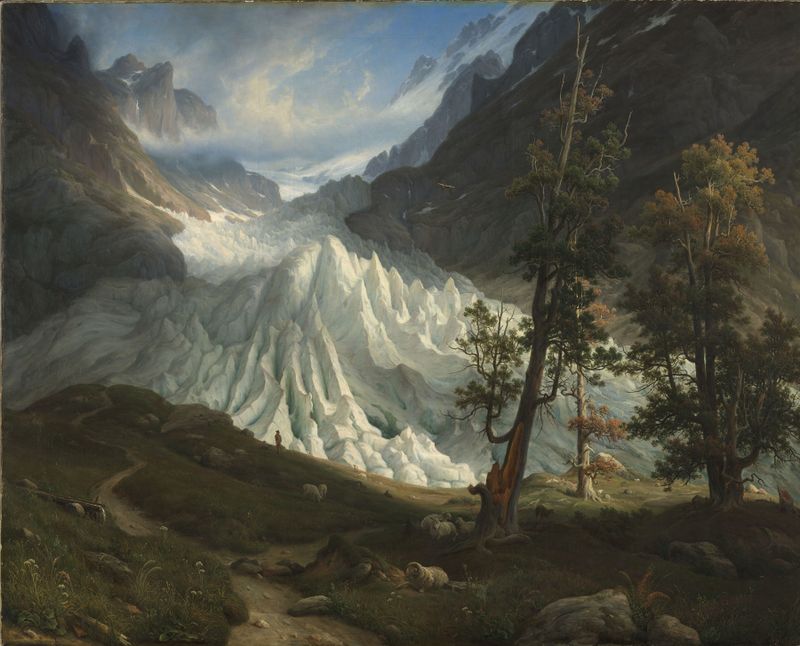
The Grindelwaldgletscher
Thomas Fearnley

Clouds over the Fjord
Thomas Fearnley
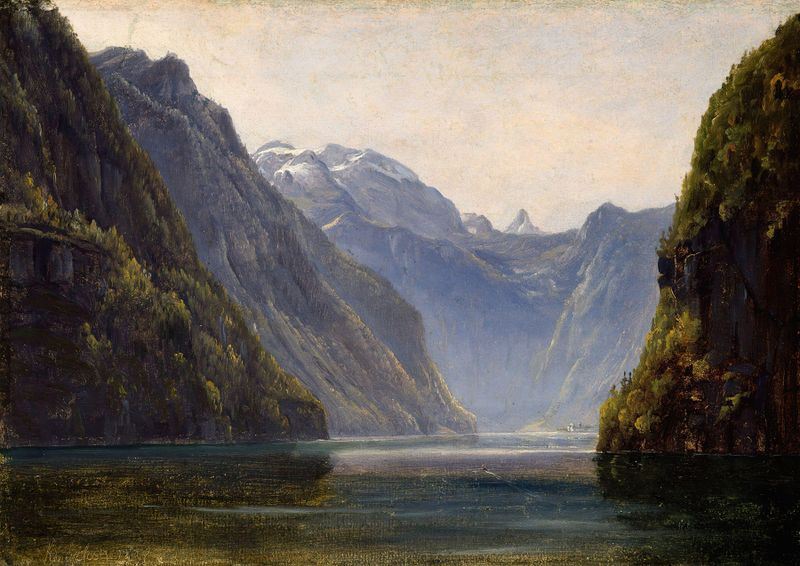
From Königssee
Thomas Fearnley

The Bridge of Hauge outside Arendal
Thomas Fearnley

King Vilhelm II’s ceremonial Processsion in Amsterdam in 1840
Thomas Fearnley





