
Landscape Study with decaying Trees — History & Facts
Could beauty survive in a century of chaos? In the delicate study of decaying trees, we find a solemn testament to resilience amid the ravages of time. Look to the left at the gnarled trunks, their bark peeling and twisted, yet still lifting their branches toward a muted sky. Notice how the somber palette of browns and greens intertwines with hints of gray, creating a poignant contrast between decay and the life force that once vibrated through these trees. The artist's brushstrokes are meticulous, lending a sense of texture that invites us to run our fingers along the rough surfaces, feeling the weight of history. Every aspect of this landscape reveals emotional tensions.
The juxtaposition of decay and natural beauty prompts reflections on mortality and renewal. The distant horizon, shrouded in a fog that blurs the line between earth and sky, suggests an uncertain future, while the trees stand as stoic witnesses to change. Each fallen leaf, each splintered branch speaks of endings, yet holds the quiet promise of new growth, echoing life’s cyclical nature. In 1851, while crafting this work, August Cappelen was immersed in the Romantic movement, delving into themes of nature and the sublime.
Living in Norway during a time of political unrest and social change, he sought beauty in the natural world as a refuge from turmoil, reflecting a deep connection to his homeland’s landscapes. This painting encapsulates his desire to find meaning in the ephemeral, establishing a dialogue between the past and the present.
More Artworks by August Cappelen
Browse all →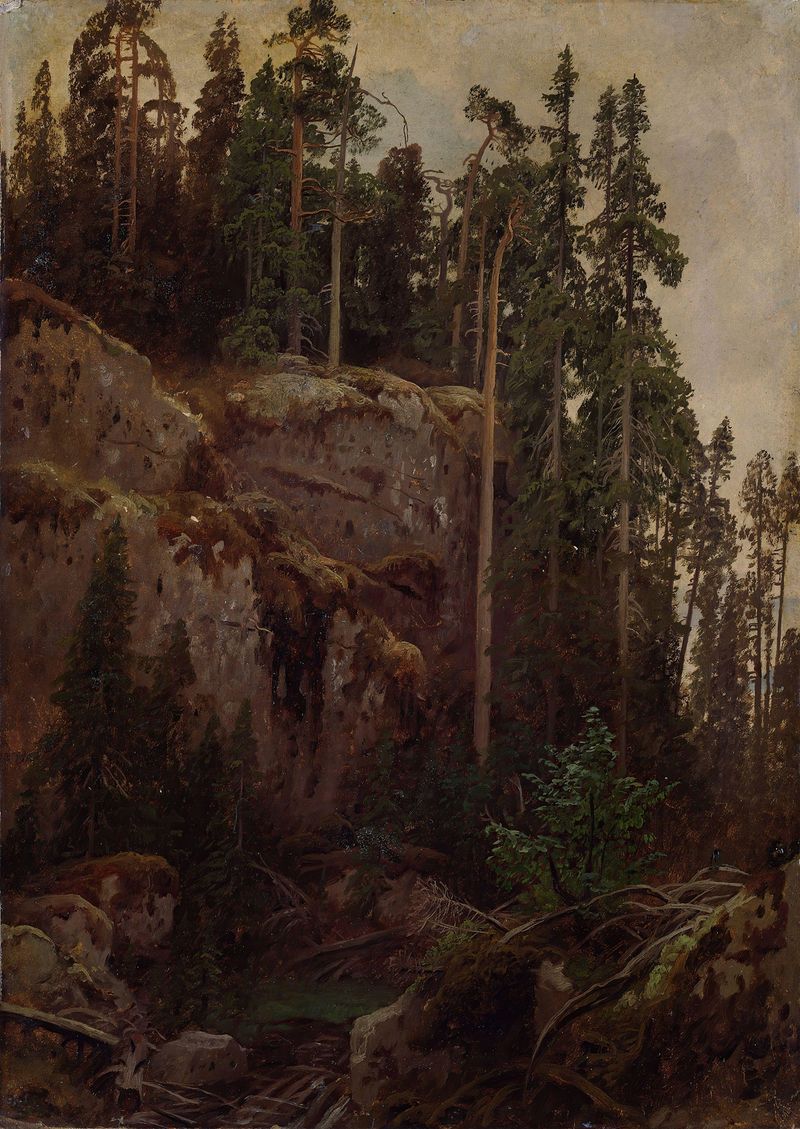
Landscape Study with a Precipice
August Cappelen
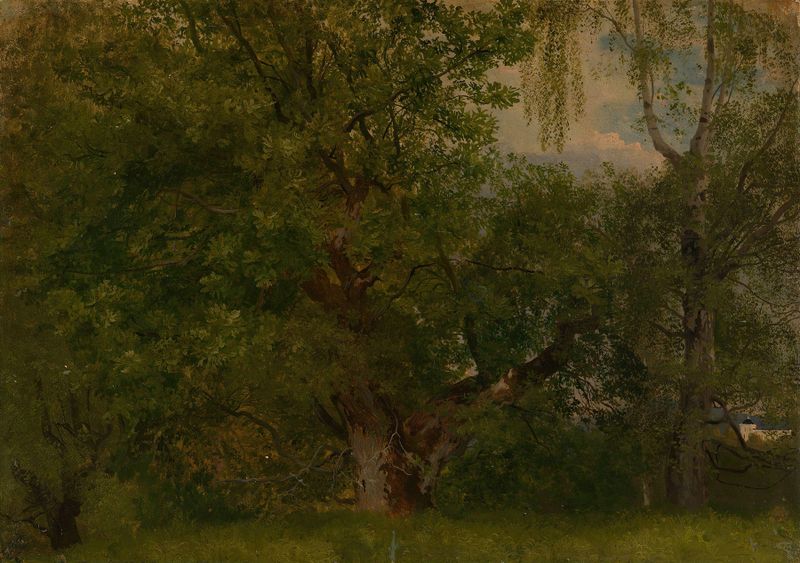
Wood near Ulefoss
August Cappelen

Forest Study
August Cappelen
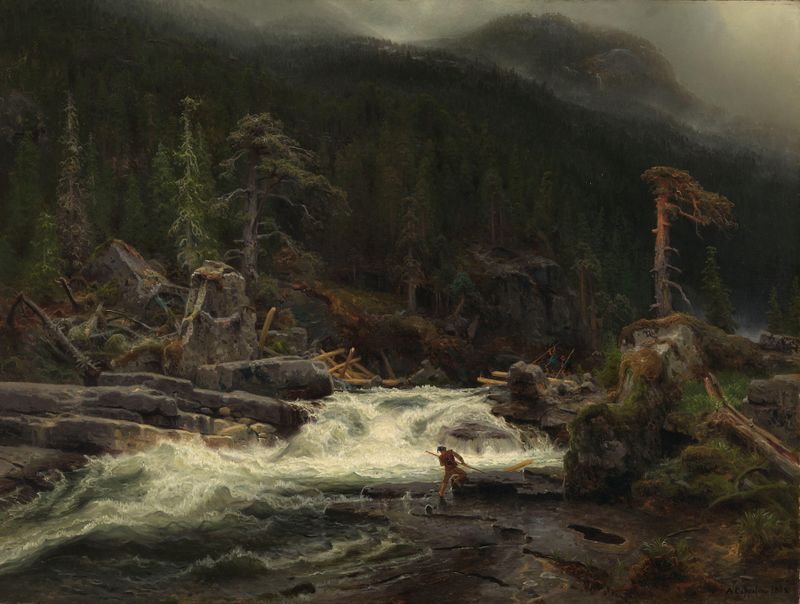
Waterfall in Telemark
August Cappelen
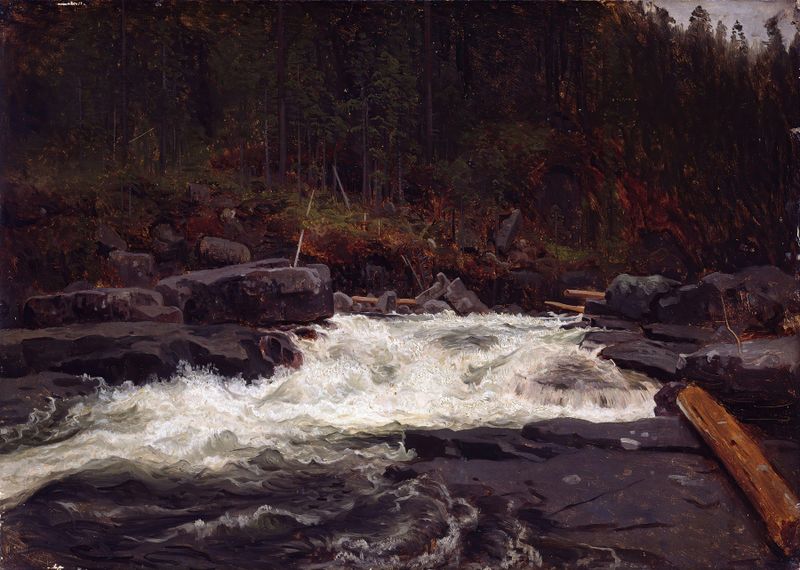
Waterfall in Telemark, Study for Inv.No. 427
August Cappelen
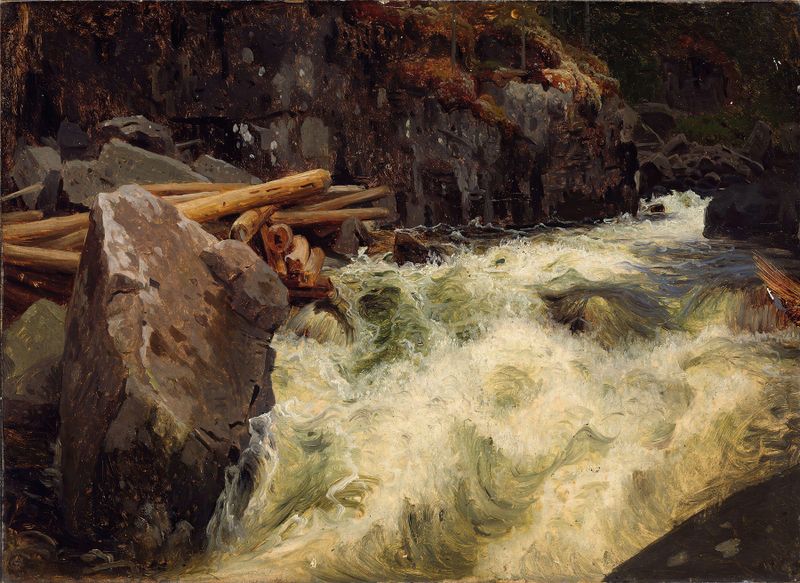
Study of a Waterfall
August Cappelen
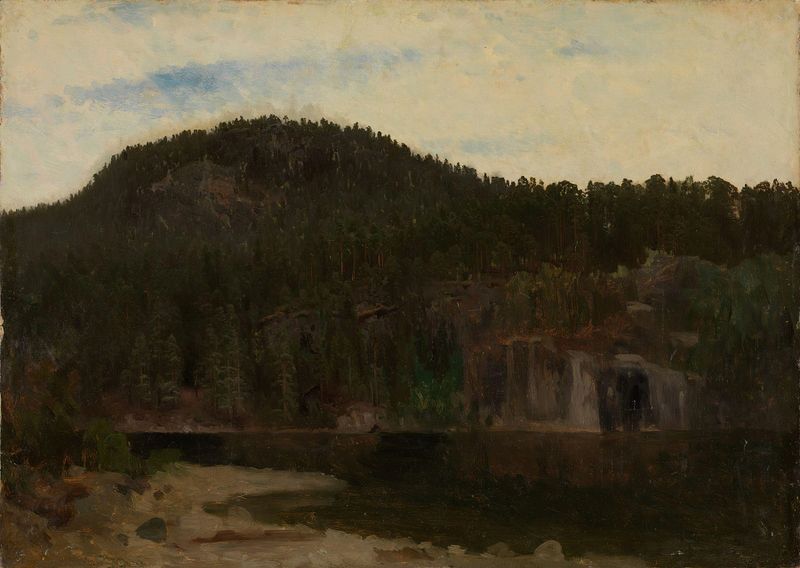
Landscape Study with a Lake
August Cappelen

Study of a Wood
August Cappelen

Study of a Rock
August Cappelen
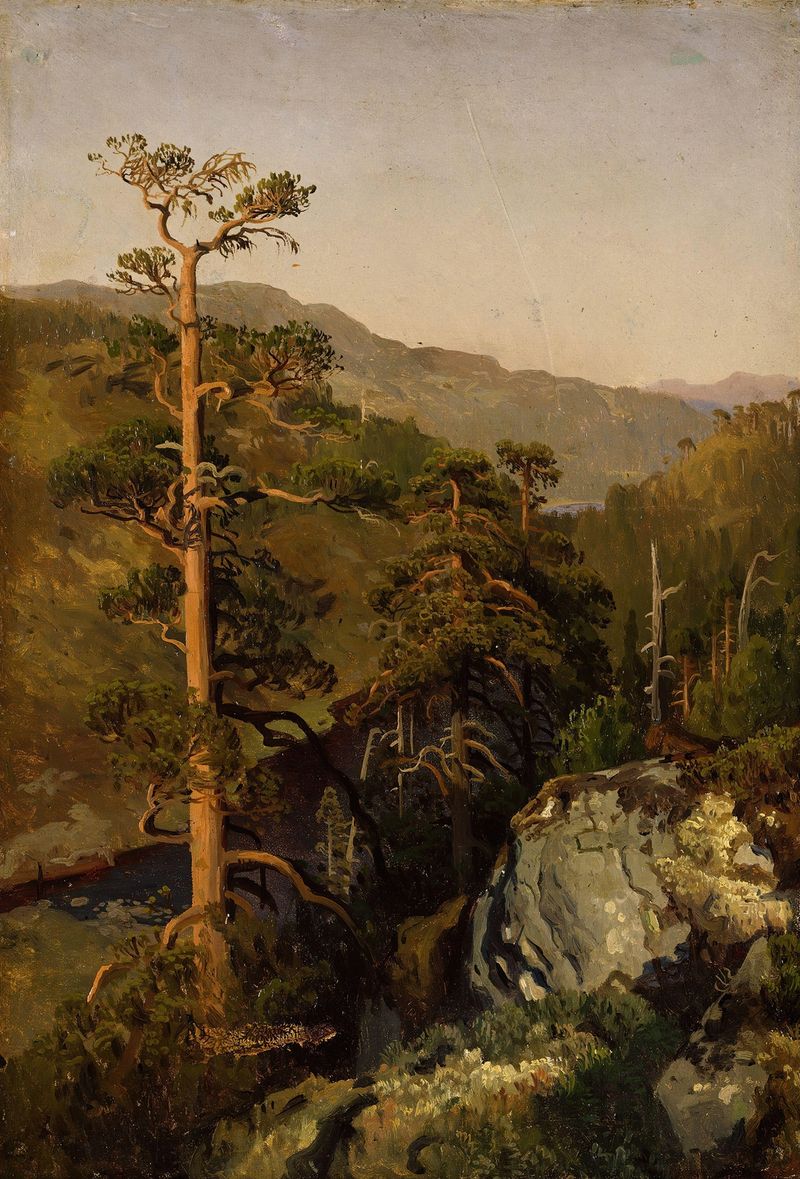
Rocky Landscape with Pinetrees
August Cappelen





