Study of a Rock — History & Facts
Each stroke of paint is a fleeting memory, captured and transformed into something tangible yet ephemeral. The mind wanders, pondering how objects, much like moments, can hold profound significance. Look closely at the meticulous details of the rock’s surface, where shades of gray and earthy browns converge in a symphony of texture. Notice how the light plays across its rugged contours, casting subtle shadows that suggest depth and character.
Cappelen’s careful rendering invites the viewer to explore the interplay between reality and representation, emphasizing the beauty in the mundane. Delve deeper into the emotional resonance of the piece. The rock, while ordinary, becomes a metaphor for endurance and stability in a transient world. Its rough exterior contrasts poignantly with the smoothness of the canvas, reflecting the duality of existence—beauty often lies in the unrefined.
This tension invites contemplation on how memories, like rocks, remain steadfast amidst the shifting sands of time. In 1851, during a period marked by the Romantic movement's decline and the rise of Realism, Cappelen painted this work in Norway. He sought to convey the essence of nature while exploring the boundaries of perception and memory. At that time, the art world was grappling with the balance between imagination and the objective reality of the natural world, a struggle that this study encapsulates beautifully.
More Artworks by August Cappelen
Browse all →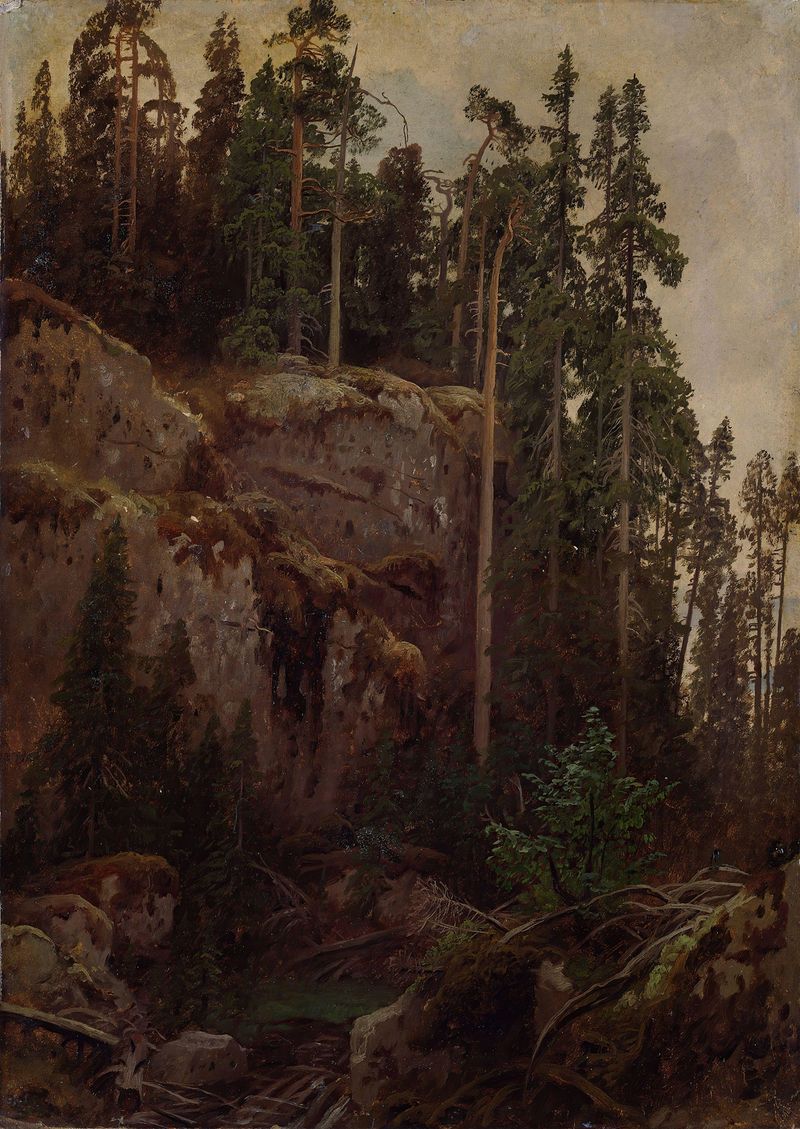
Landscape Study with a Precipice
August Cappelen
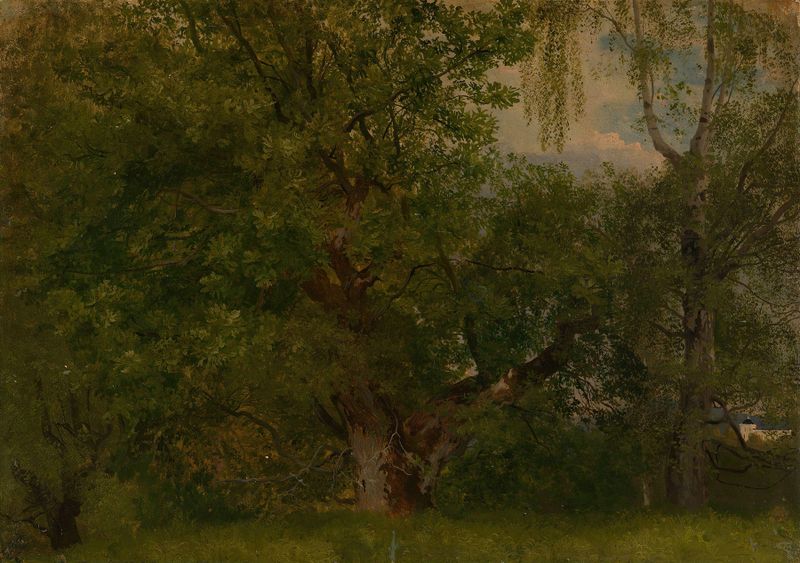
Wood near Ulefoss
August Cappelen

Forest Study
August Cappelen
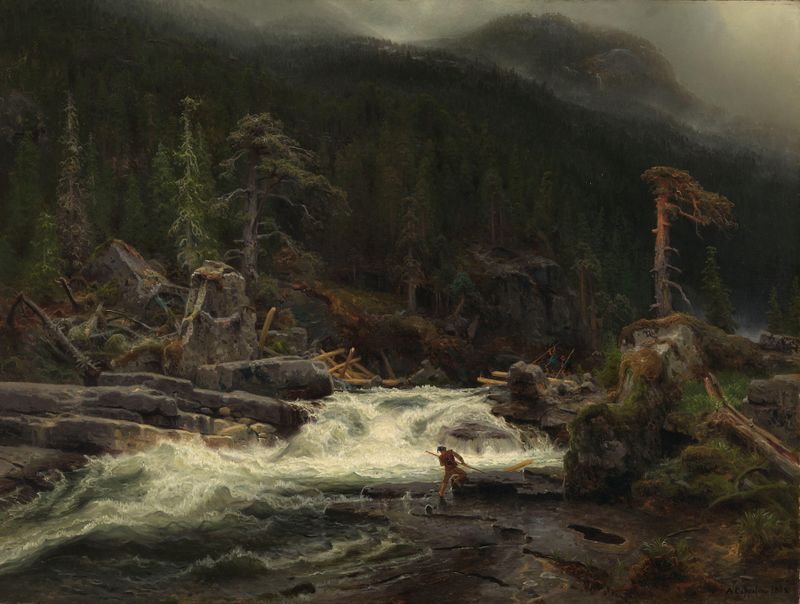
Waterfall in Telemark
August Cappelen
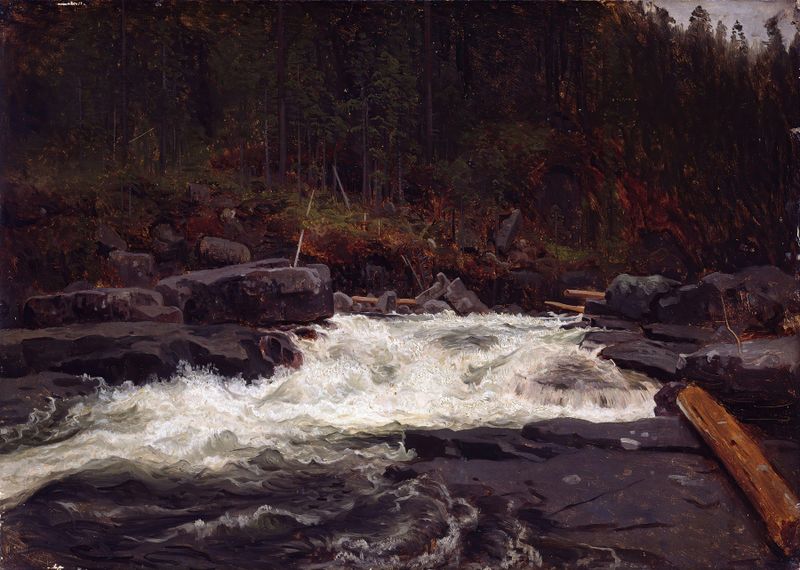
Waterfall in Telemark, Study for Inv.No. 427
August Cappelen
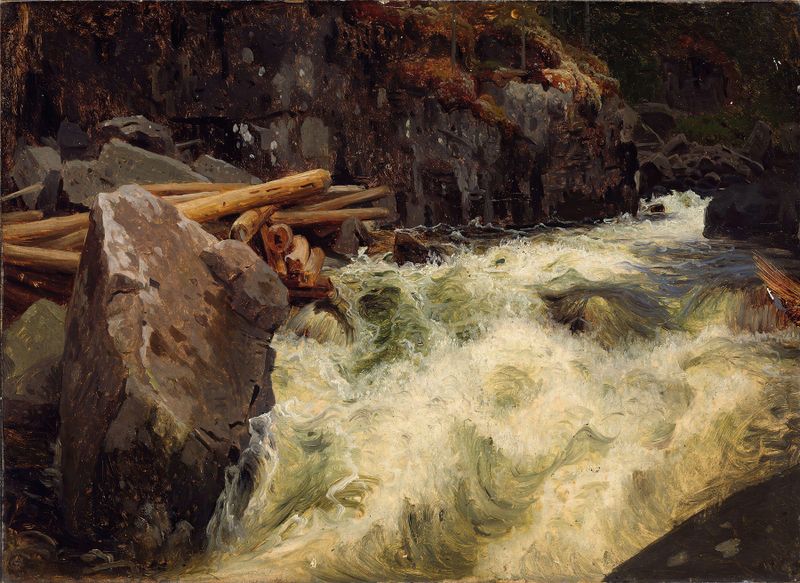
Study of a Waterfall
August Cappelen
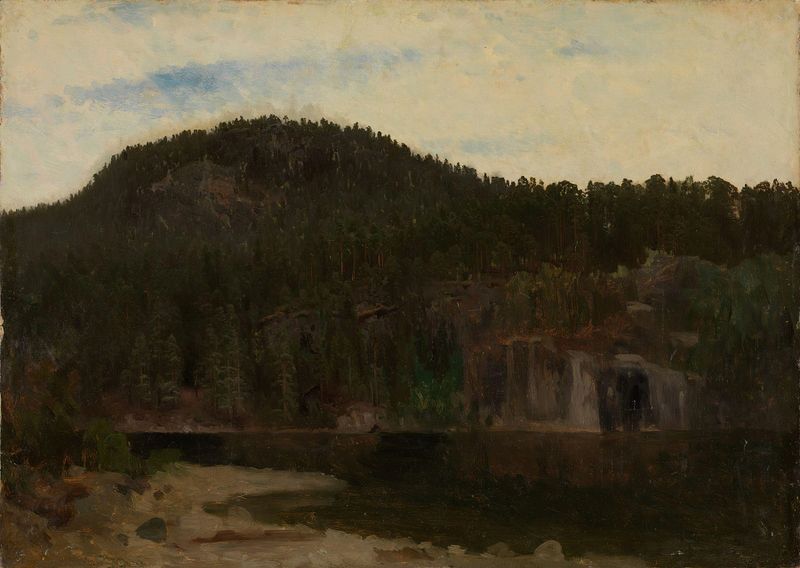
Landscape Study with a Lake
August Cappelen

Study of a Wood
August Cappelen
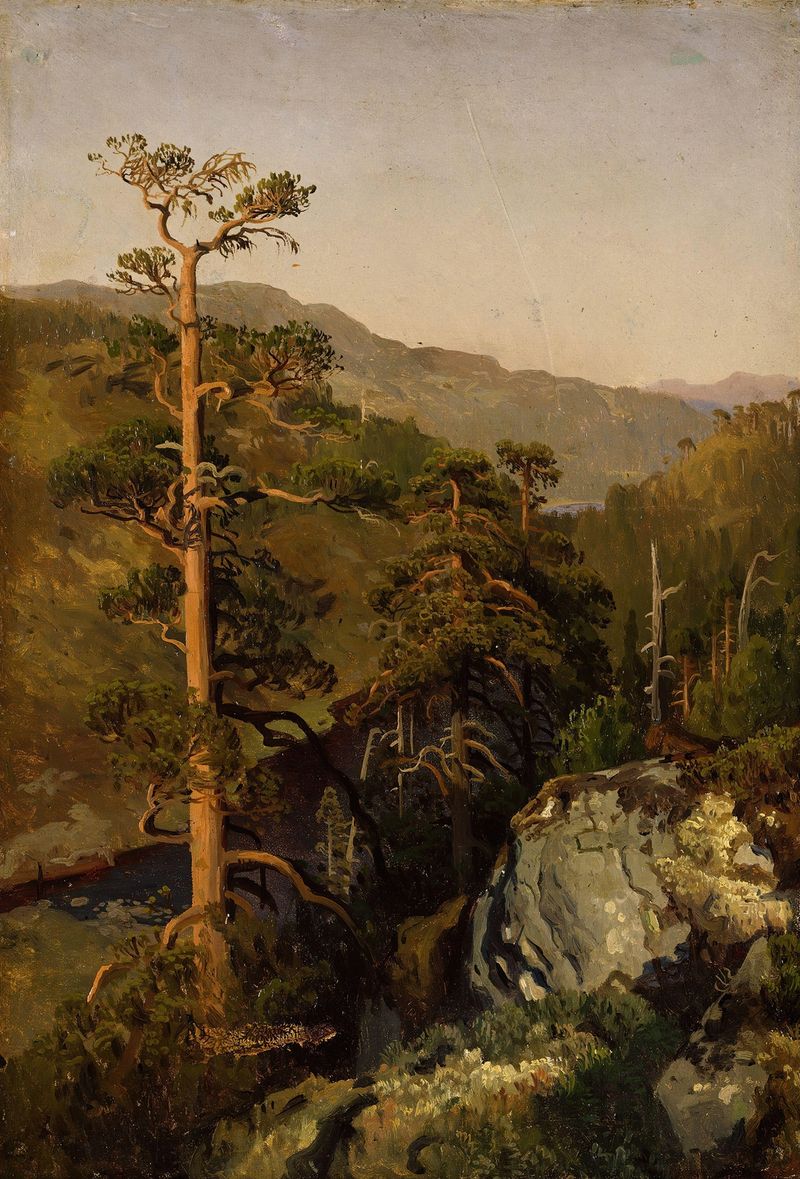
Rocky Landscape with Pinetrees
August Cappelen
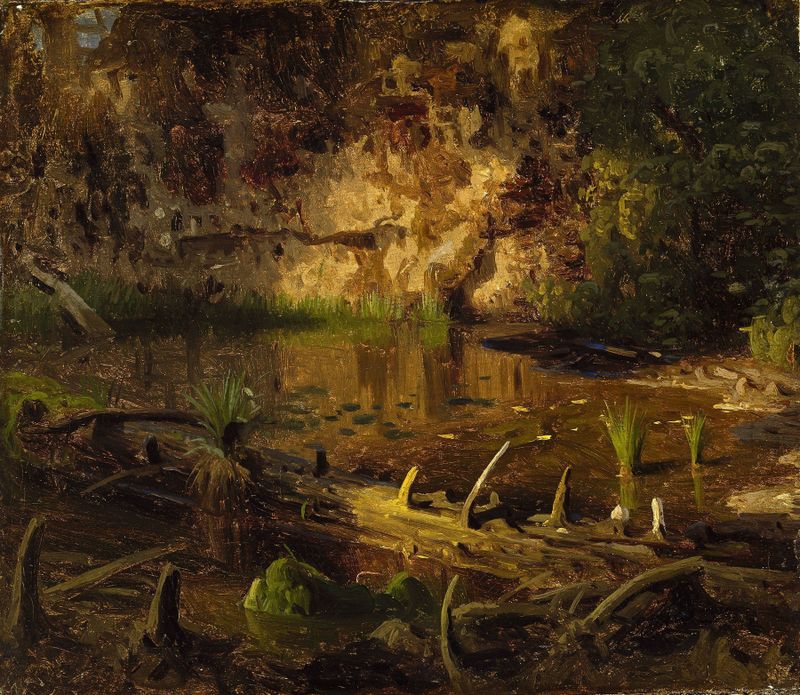
Study of a fallen Tree
August Cappelen