
Study of a Waterfall — History & Facts
Who listens when art speaks of silence? In the quietude of Study of a Waterfall, the murmurs of nature converse with the soul, revealing secrets only the attentive can hear. Look to the left at the cascading water, the brushstrokes dancing with life as they capture the movement of the falls. Notice how the light plays across the surface, glistening droplets suspended in time. The greenery surrounding the scene envelops the waterfall, a blend of deep greens and earthy browns that evoke both tranquility and vitality.
The upward slant of the rocks directs the viewer’s gaze to the source, inviting exploration into the heart of the landscape. Deeper still, contrasts unfold between chaos and calm. The rush of water creates a dynamic tension against the stillness of the surrounding foliage, a reminder of nature’s relentless yet serene power. Small details, like the delicate wildflowers clinging to the edge of the rocks, offer resilience amidst the tumult.
This harmonious interplay invites contemplation, urging viewers to reflect on their own relationship with the natural world. August Cappelen painted this piece in 1851, during a period when Romanticism was flourishing in Norwegian art. He sought to express the sublime beauty of his homeland, capturing the essence of nature's grandeur while influencing a burgeoning national identity. At this time, the art world was shifting, as artists began to explore more personal and emotional connections to their subjects, moving away from the strictures of classical representation.
More Artworks by August Cappelen
Browse all →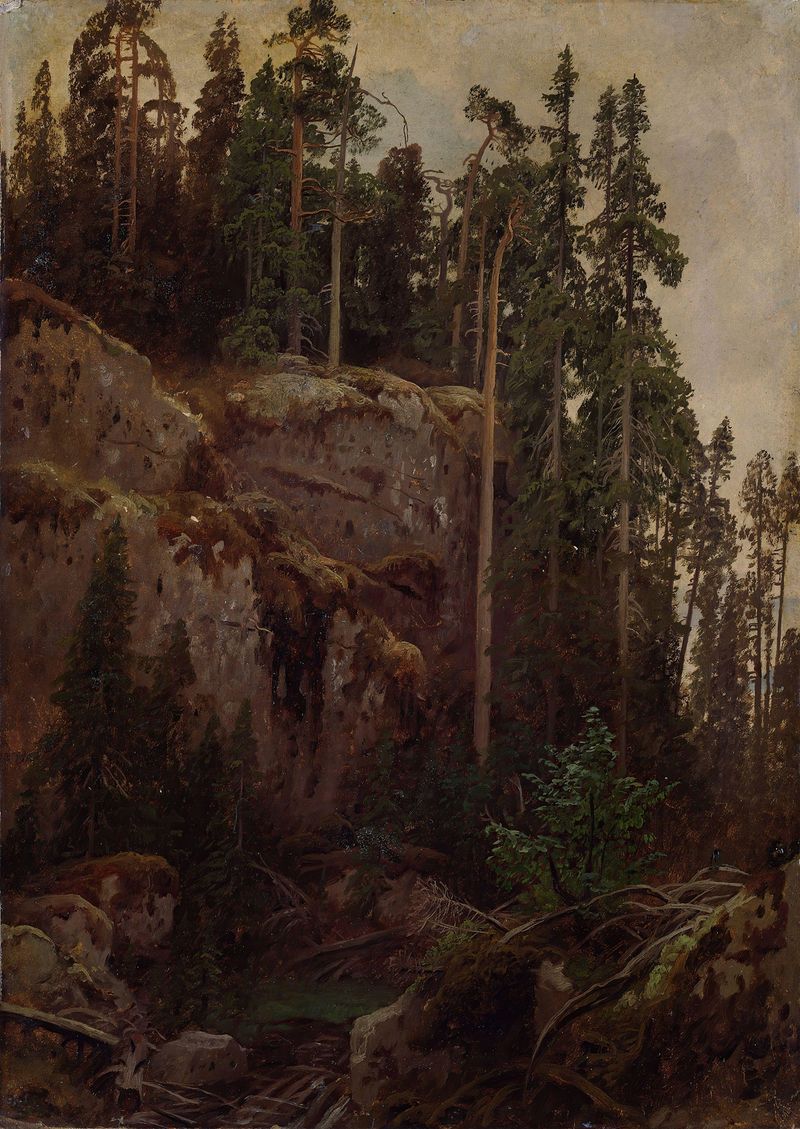
Landscape Study with a Precipice
August Cappelen
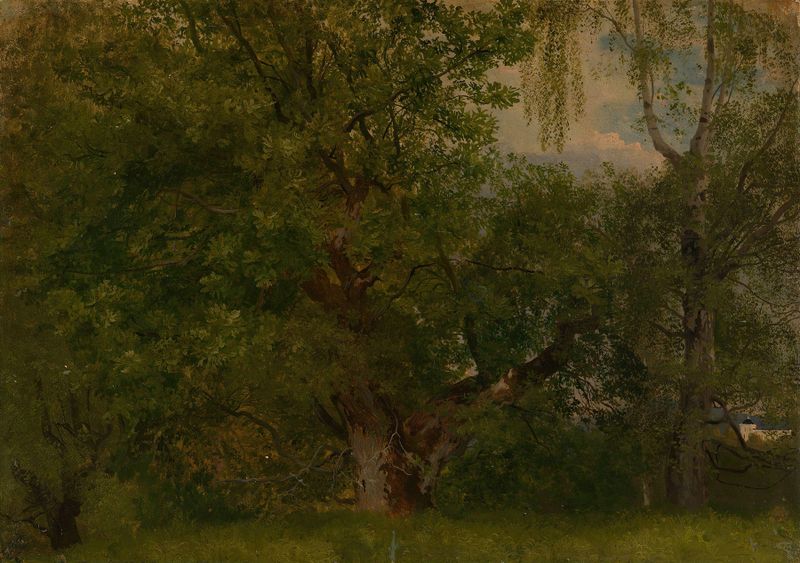
Wood near Ulefoss
August Cappelen

Forest Study
August Cappelen
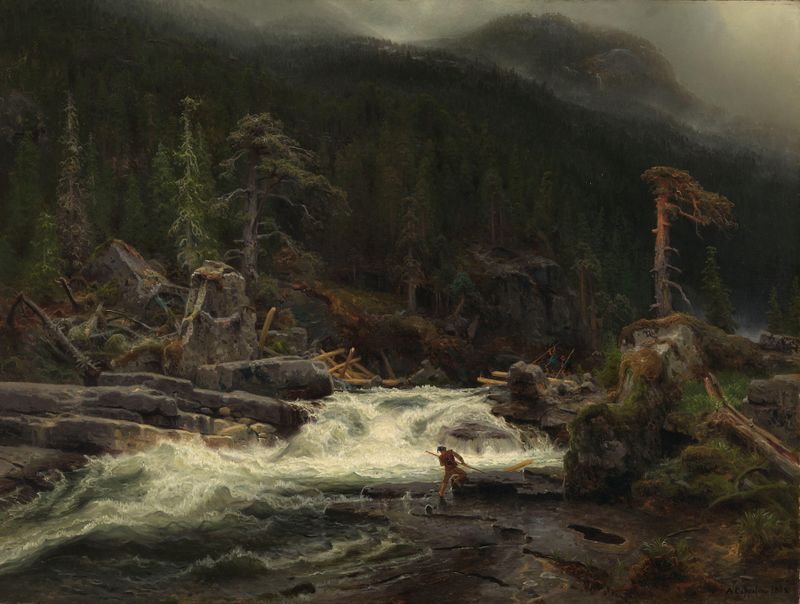
Waterfall in Telemark
August Cappelen
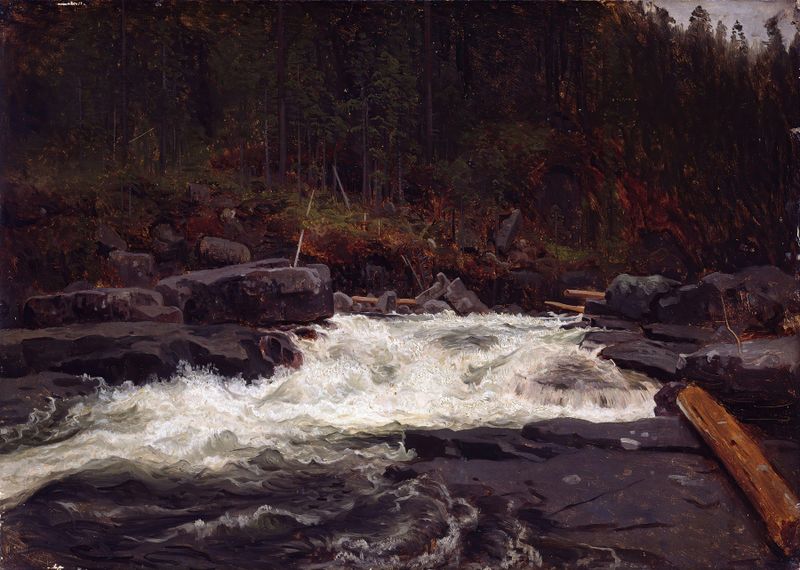
Waterfall in Telemark, Study for Inv.No. 427
August Cappelen
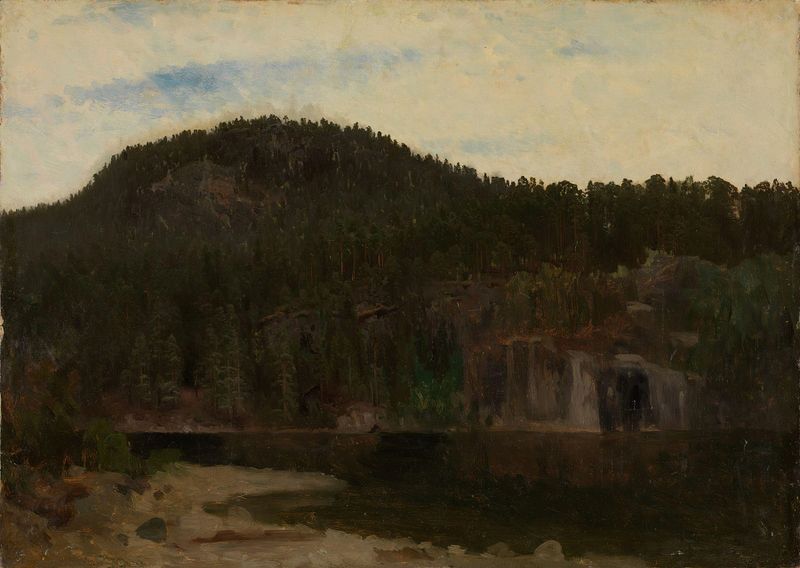
Landscape Study with a Lake
August Cappelen

Study of a Wood
August Cappelen

Study of a Rock
August Cappelen
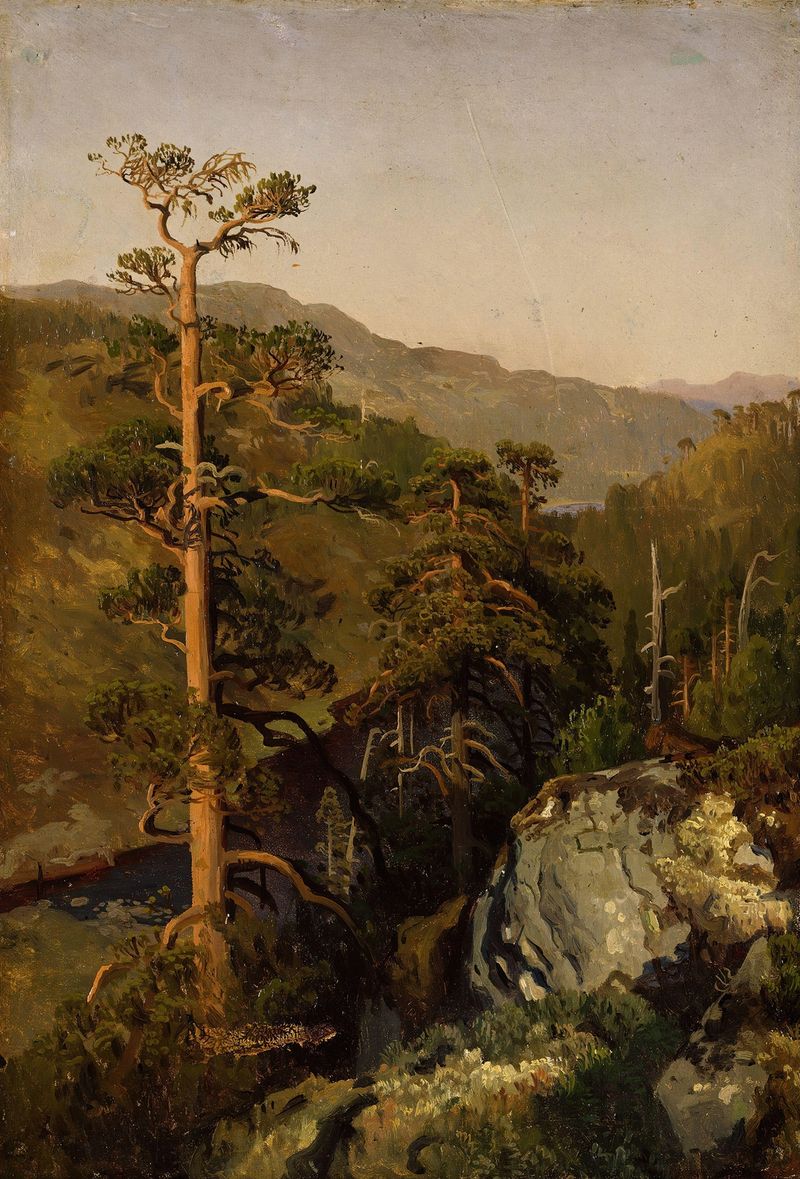
Rocky Landscape with Pinetrees
August Cappelen
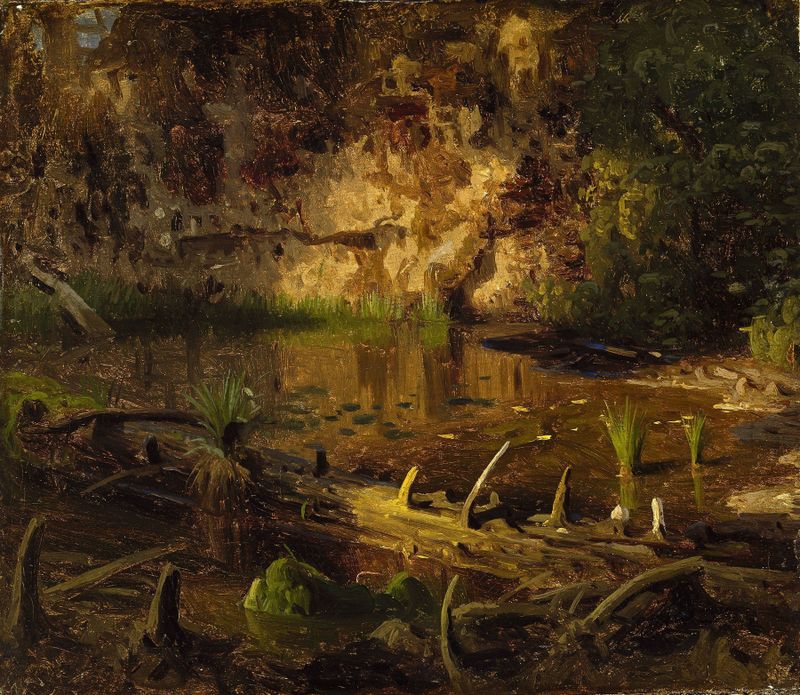
Study of a fallen Tree
August Cappelen





