
Forest Study — History & Facts
It is within this delicate balance that hope flourishes, as a forest holds secrets in its embrace, whispering stories to those who dare to listen. Look to the left at the gentle interplay of greens and browns, where towering trees reach toward the sky, their branches creating a natural archway. The artist skillfully layers textures, capturing the dappled light filtering through the leaves and illuminating the forest floor, where patches of sunlight dance upon the undergrowth. Each brushstroke reveals a commitment to authenticity, invoking the serene beauty of nature in a moment frozen in time. Yet beneath the serene surface lies a tapestry of contrasts.
The vibrant hues of the foliage suggest vitality and rebirth, while the stillness evokes a sense of quiet contemplation. Each element in the composition speaks of the dual nature of forest life—its resilience and vulnerability, harmony and solitude. The forest becomes a metaphor for hope, suggesting that amidst the chaos of existence, tranquility and renewal can be found. In 1851, while creating this piece, the artist was immersed in the burgeoning Romantic movement, which sought to capture the sublime beauty of nature.
Living in Norway, Cappelen was often inspired by the surrounding landscapes, yet he faced a challenging art market that was beginning to favor modernism. This painting reflects his deep reverence for the natural world, and his desire to convey the emotional truths it holds within its depths.
More Artworks by August Cappelen
Browse all →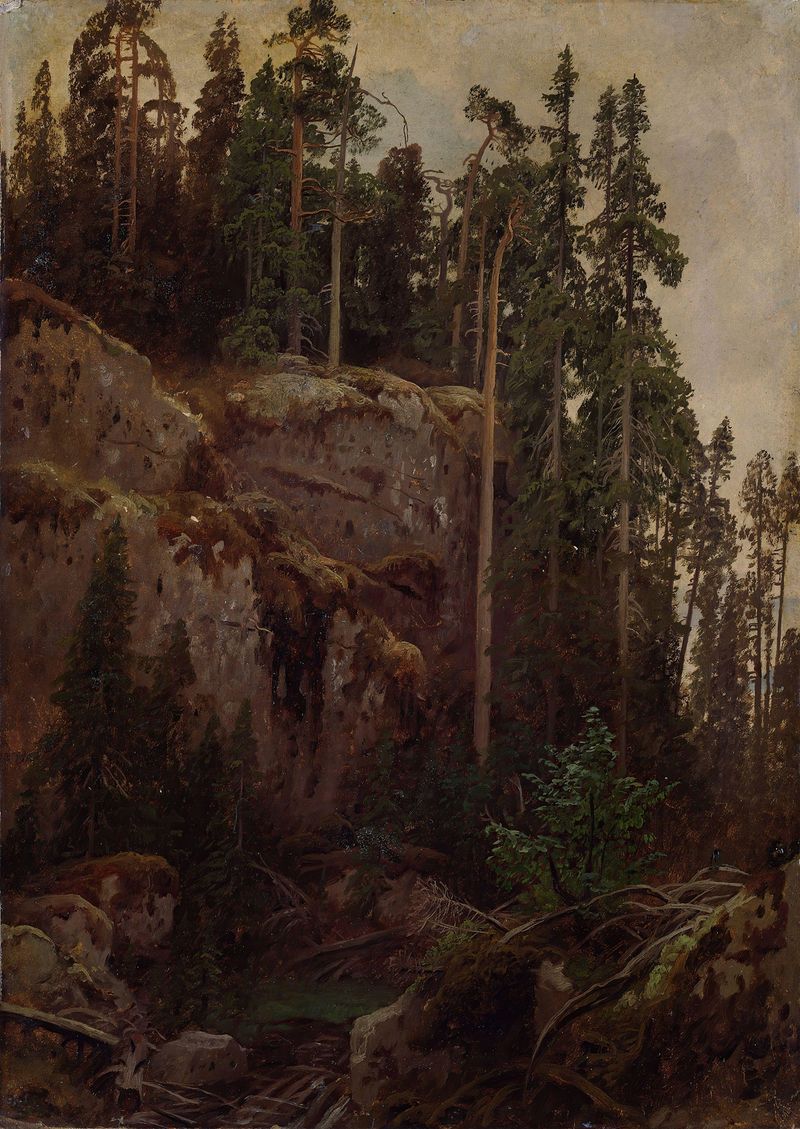
Landscape Study with a Precipice
August Cappelen
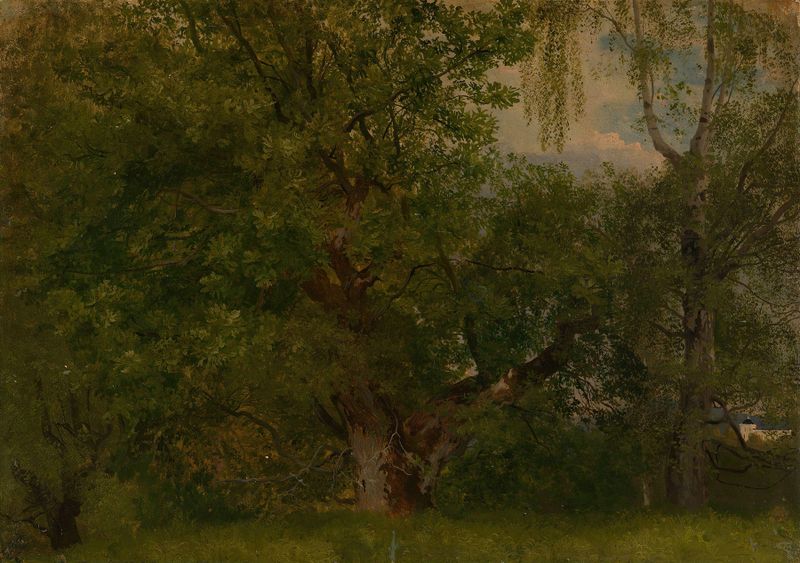
Wood near Ulefoss
August Cappelen
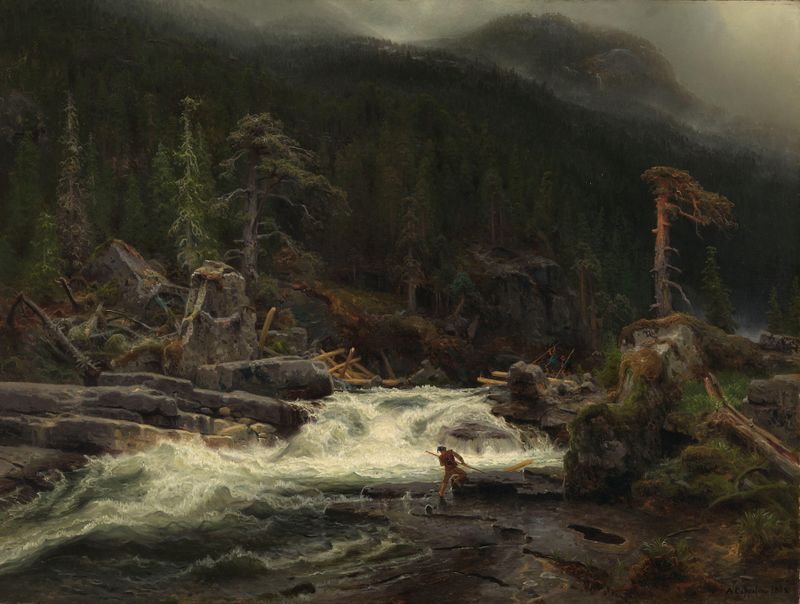
Waterfall in Telemark
August Cappelen
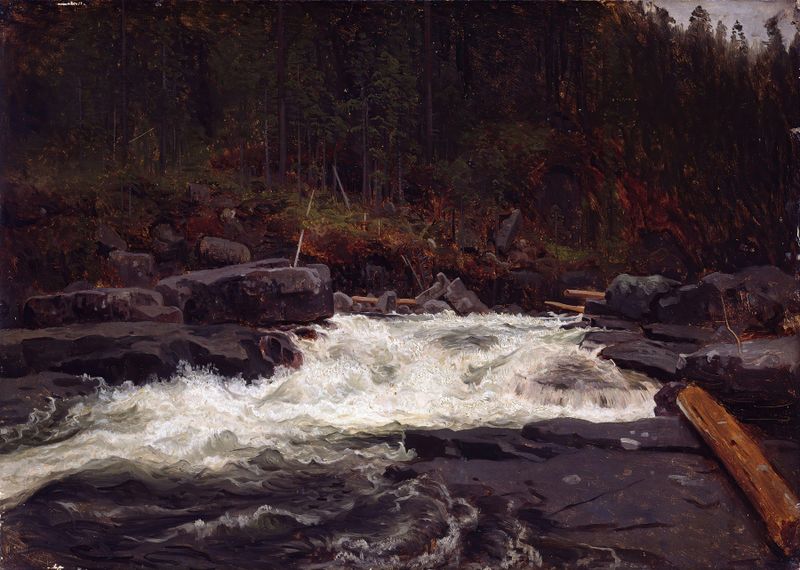
Waterfall in Telemark, Study for Inv.No. 427
August Cappelen
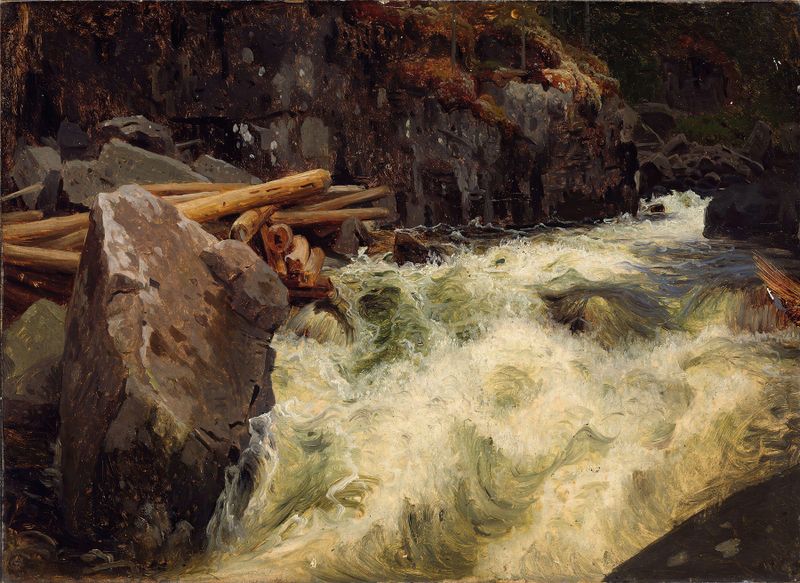
Study of a Waterfall
August Cappelen
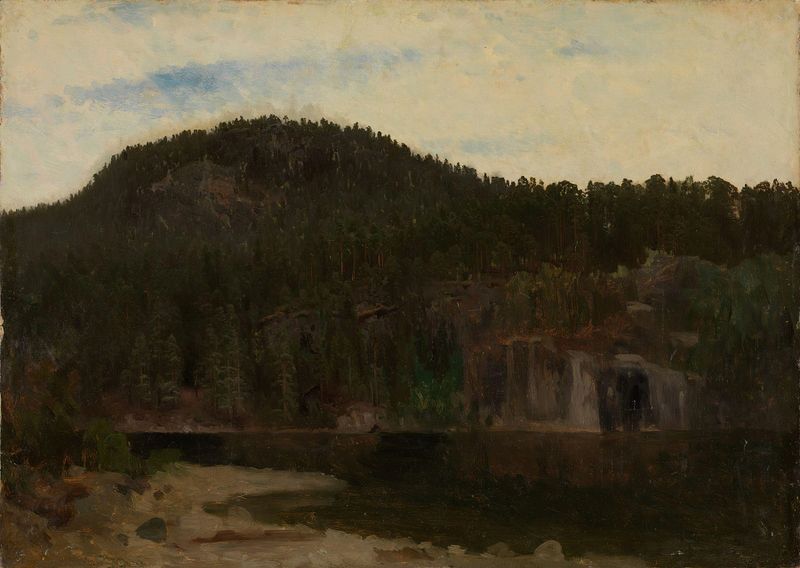
Landscape Study with a Lake
August Cappelen

Study of a Wood
August Cappelen

Study of a Rock
August Cappelen
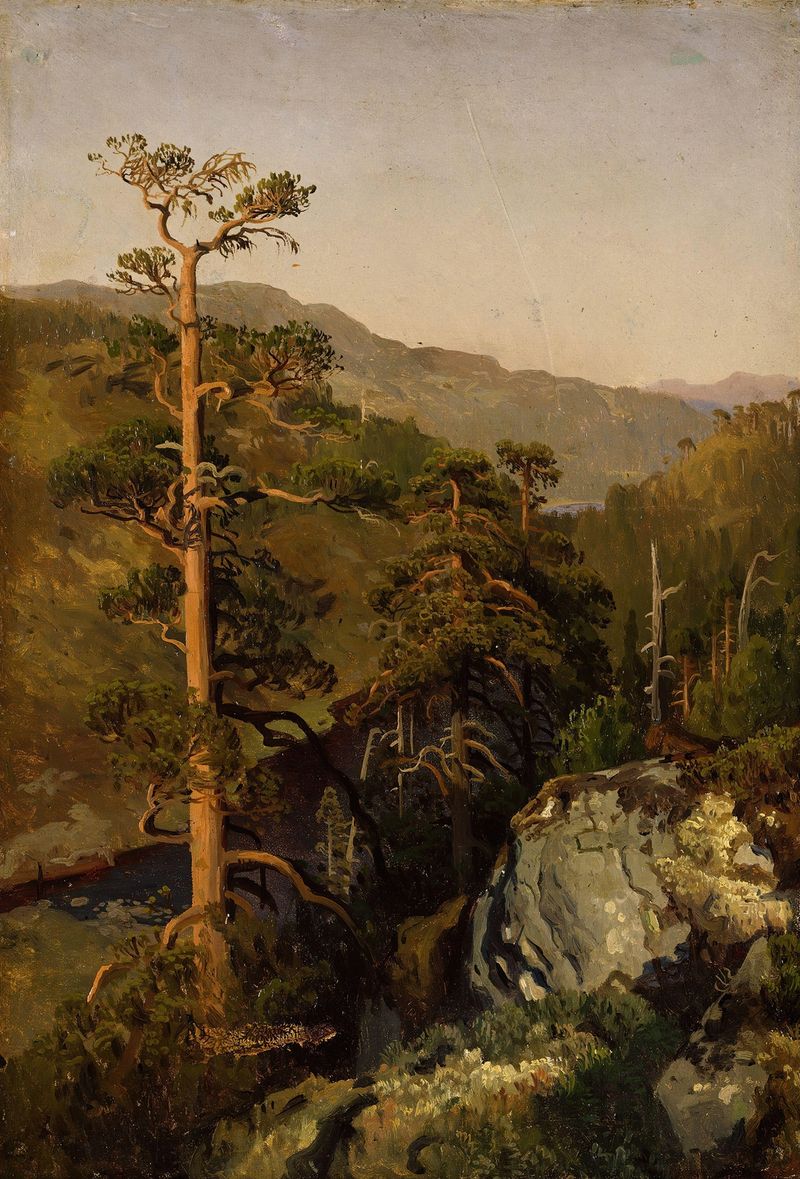
Rocky Landscape with Pinetrees
August Cappelen
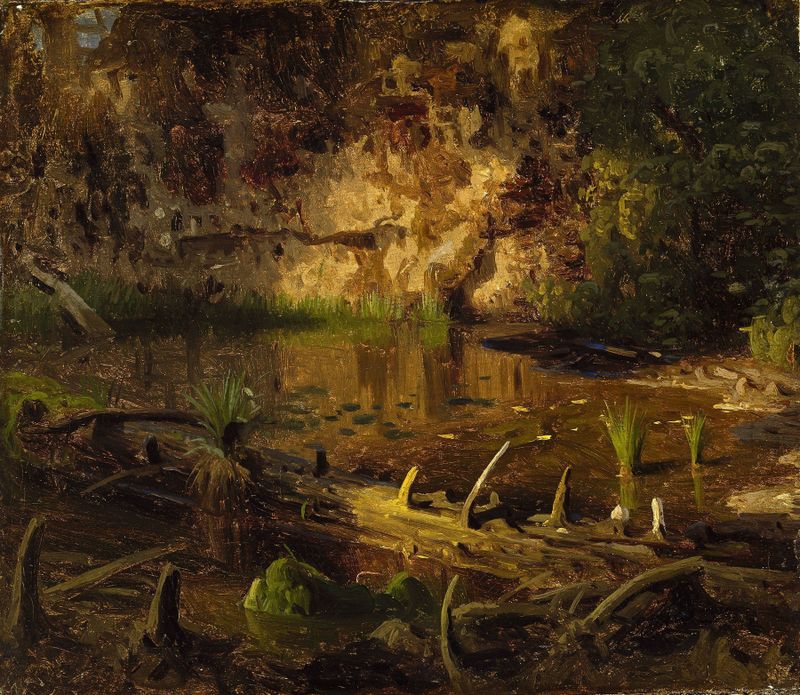
Study of a fallen Tree
August Cappelen





