
Landscape Study with Decaying Trees — History & Facts
In a dreamlike state, nature reveals its beauty while embracing decay, inviting viewers to contemplate the fleetingness of life. Focus first on the foreground where gnarled, decaying trees stretch out their twisted limbs, their bark a tapestry of muted browns and grays. The light filters softly through the canopy of leaves, casting delicate shadows that dance across the uneven ground. Notice how the artist uses subtle variations in color to evoke the textures of wood and earth, the carefully blended hues reflecting a world both vibrant and desolate. This work captures the tension between life and death, as the remnants of once-mighty trees remind us of nature’s relentless cycle.
The juxtaposition of vibrant greens and somber browns speaks to the duality of existence; while some elements flourish, others fade away, creating a poignant narrative of resilience and decay. Each brushstroke contributes to an emotional undercurrent, a reminder of time's passage and the beauty inherent in transience. August Cappelen created this study in 1851, a period when he was deeply immersed in the Romantic movement, which often emphasized the sublime in nature. Working in Norway, he sought to capture the essence of the landscape around him amidst a growing interest in realism within the art world.
This painting reflects his ability to meld the romantic with the real, as he navigated the interplay of emotion and observation in his work.
More Artworks by August Cappelen
Browse all →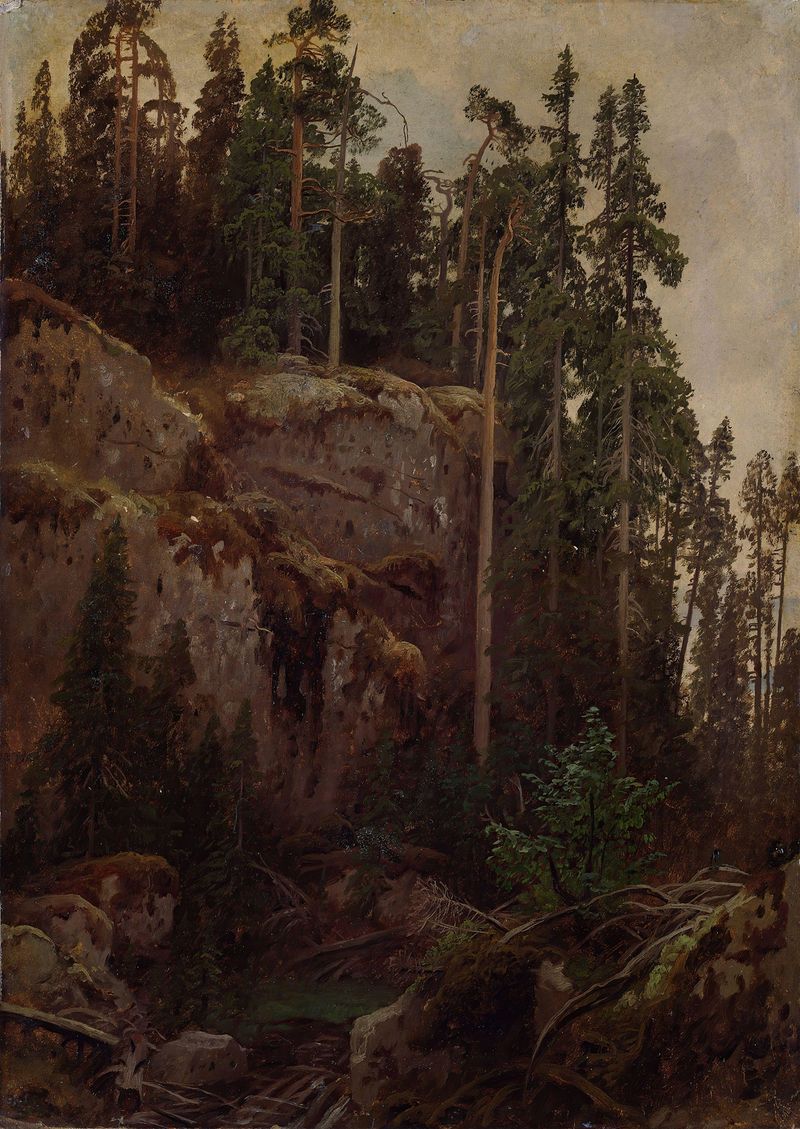
Landscape Study with a Precipice
August Cappelen
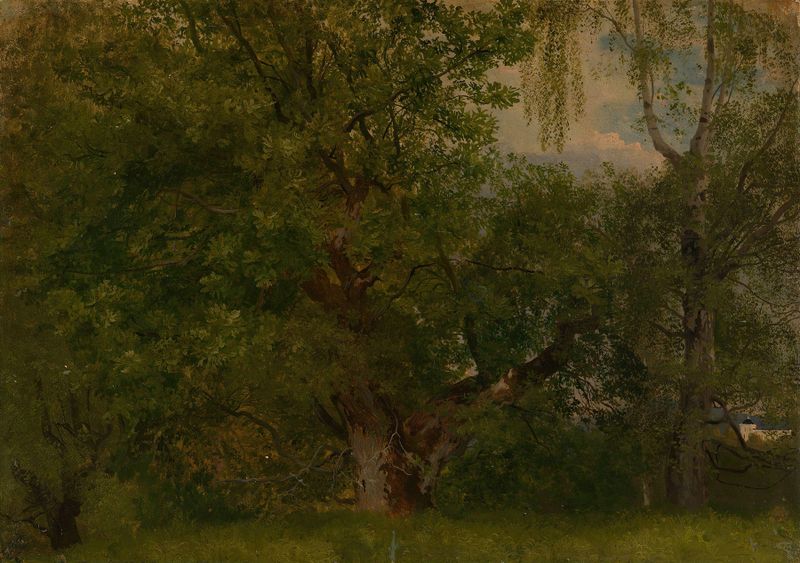
Wood near Ulefoss
August Cappelen

Forest Study
August Cappelen
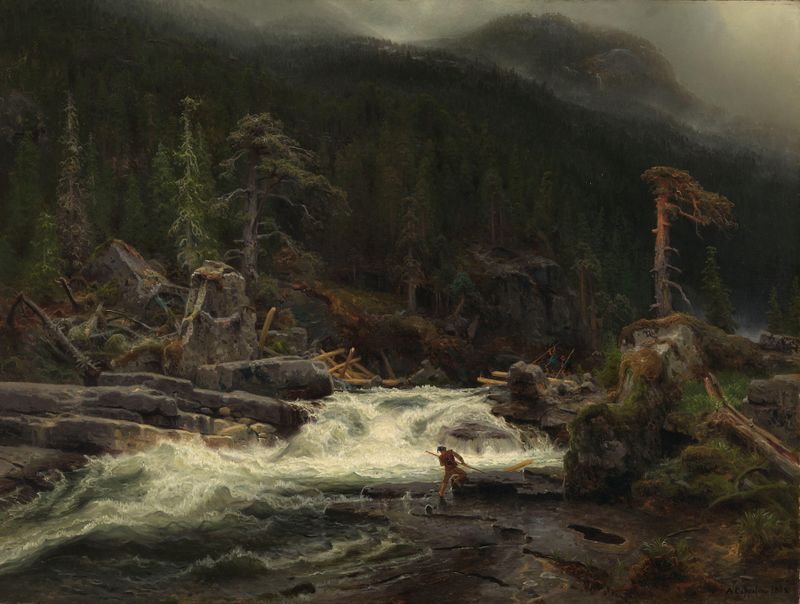
Waterfall in Telemark
August Cappelen
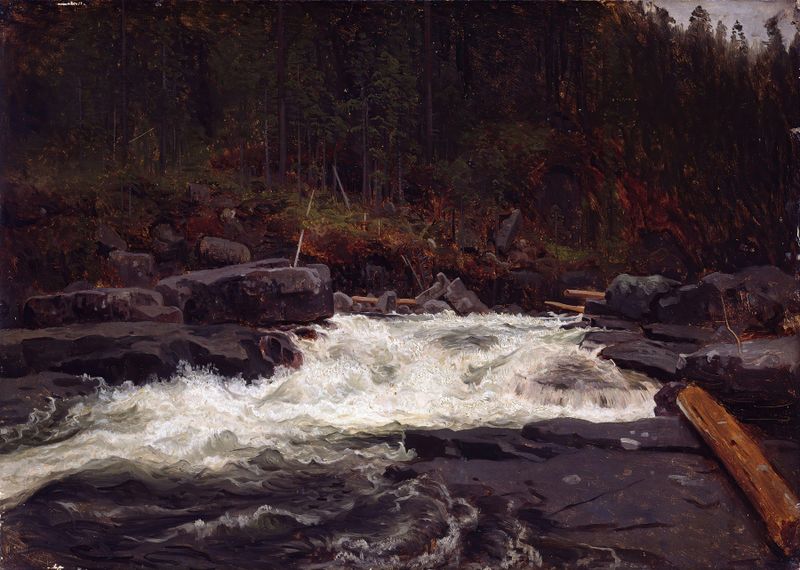
Waterfall in Telemark, Study for Inv.No. 427
August Cappelen
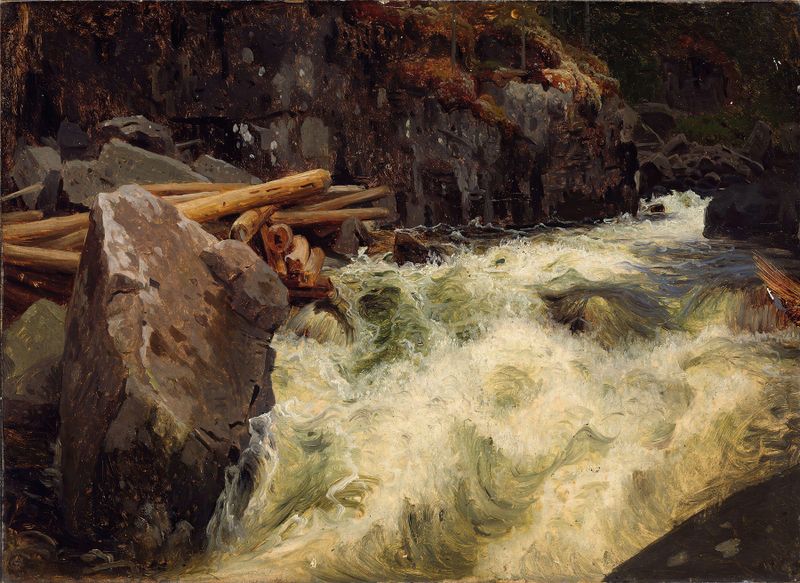
Study of a Waterfall
August Cappelen
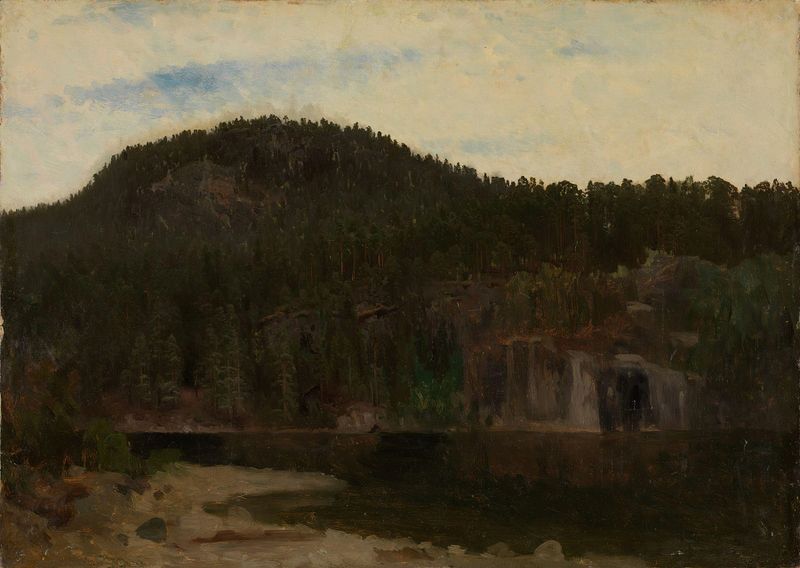
Landscape Study with a Lake
August Cappelen

Study of a Wood
August Cappelen

Study of a Rock
August Cappelen
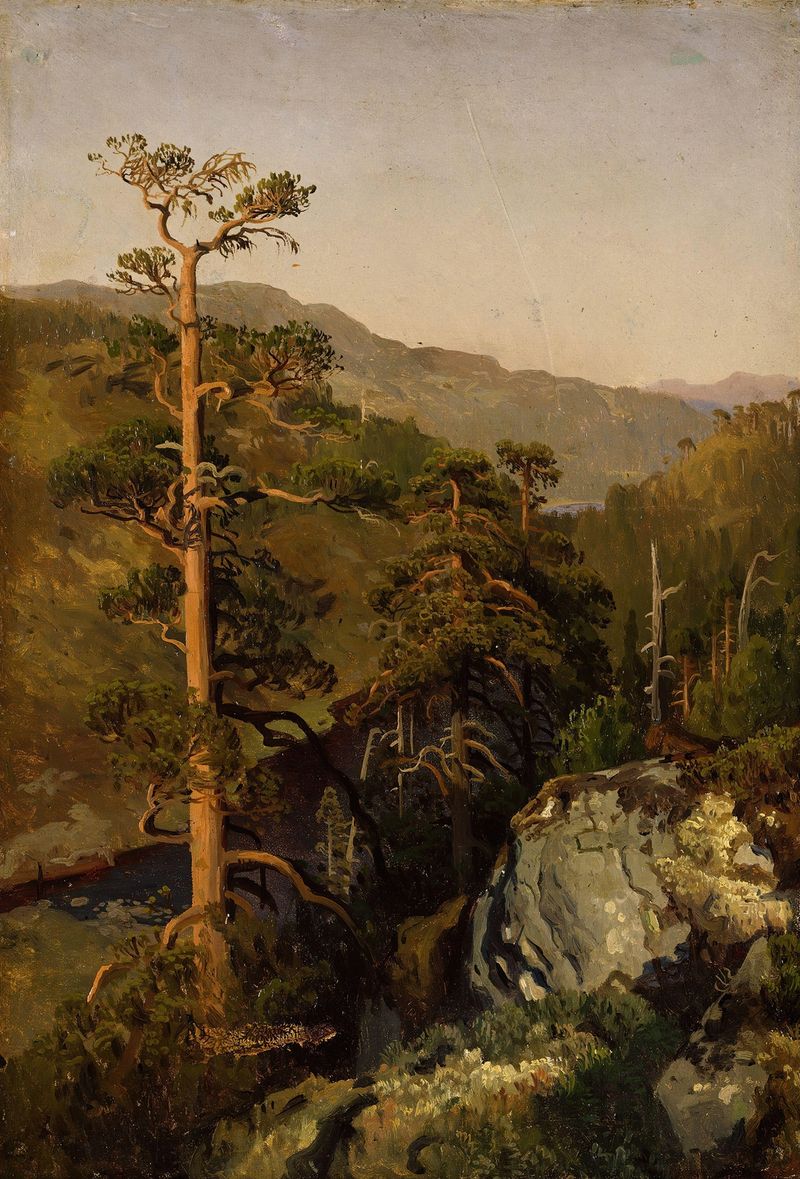
Rocky Landscape with Pinetrees
August Cappelen





