Landscape; The Parc Monceau — History & Facts
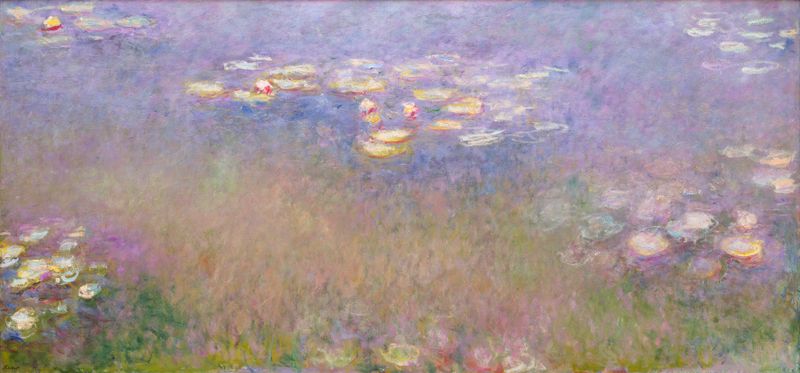
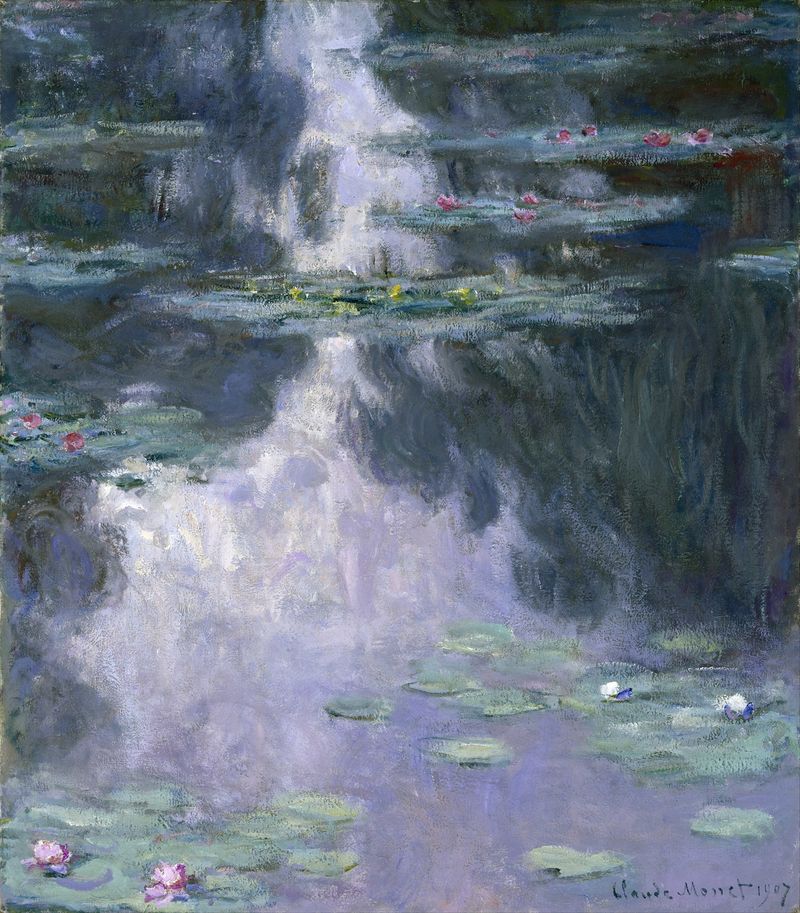
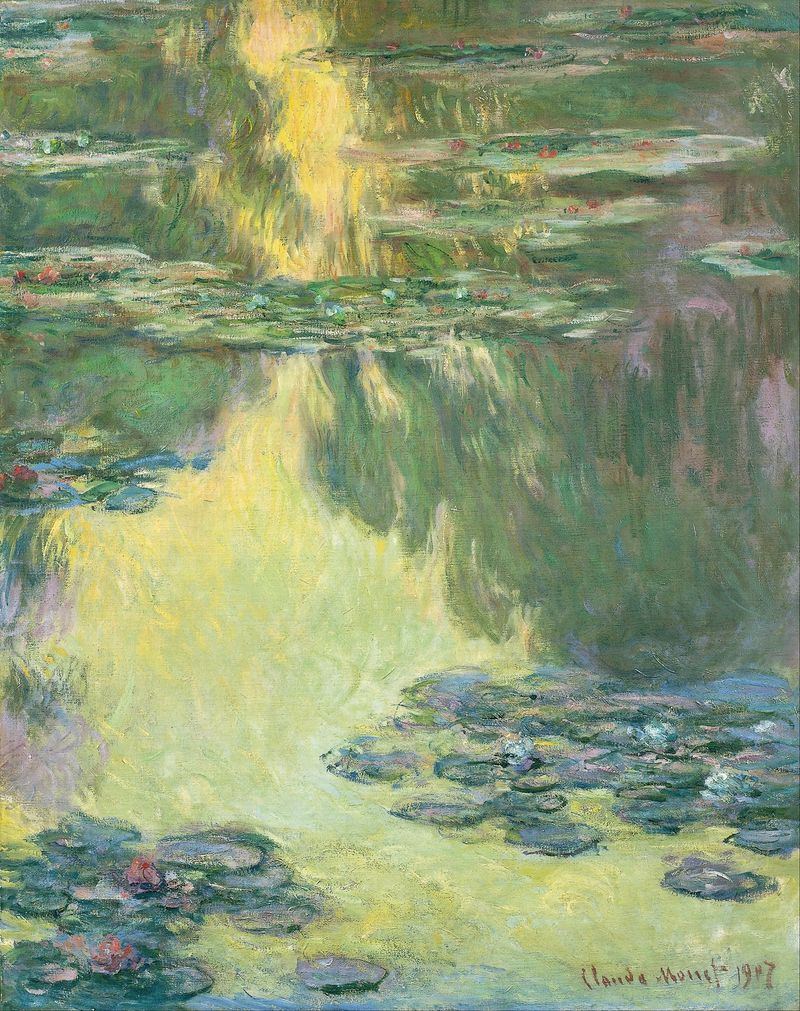
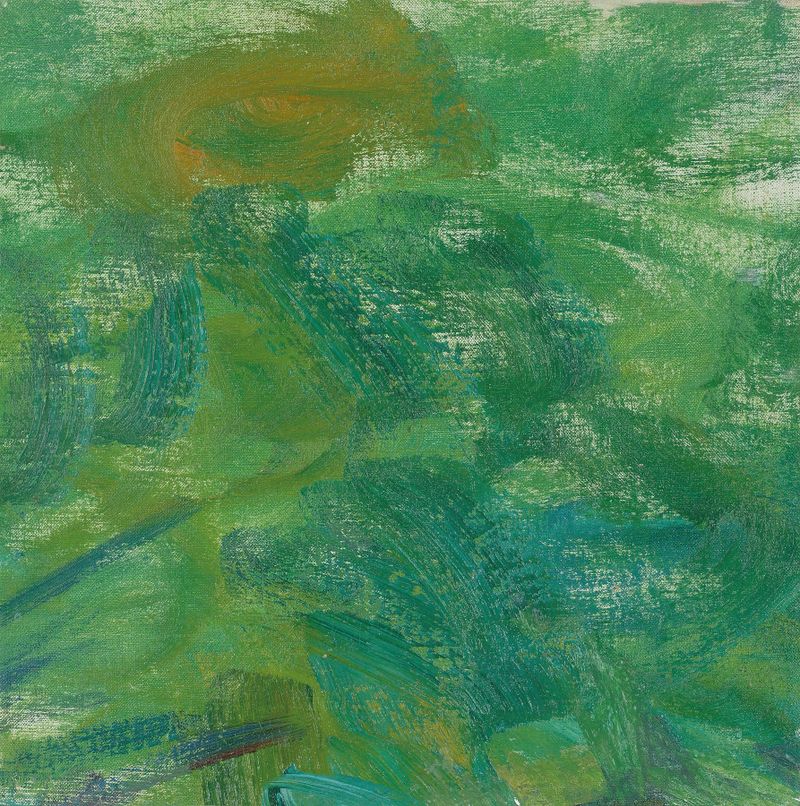
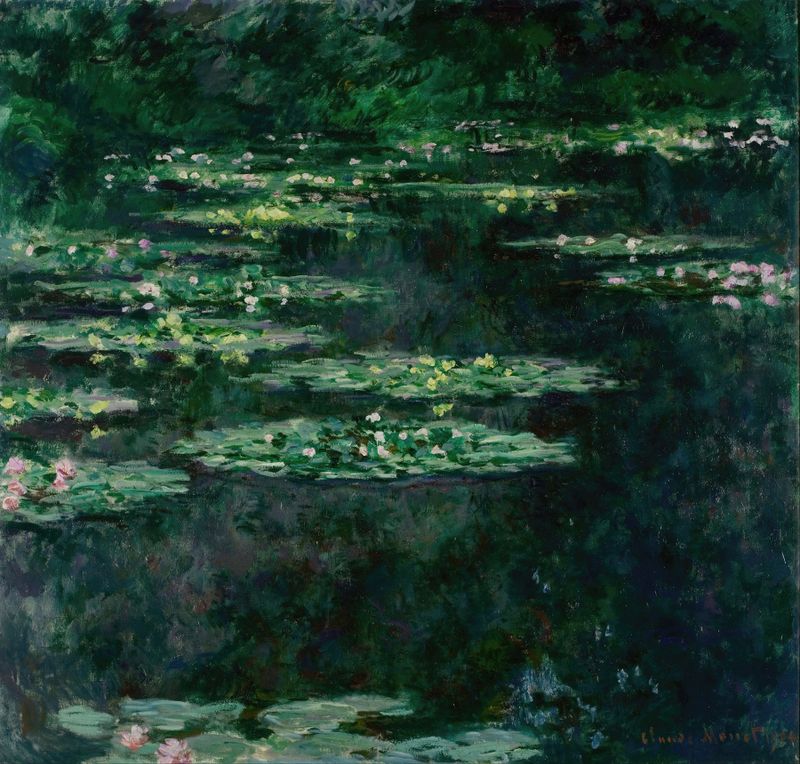
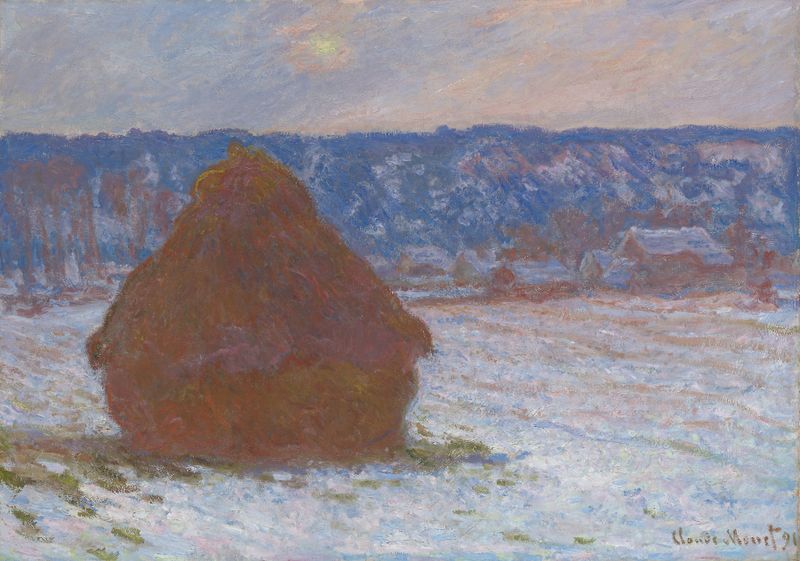
When did color learn to lie? In the hands of a master, it can tell stories of rebirth and renewal, capturing fleeting moments in nature's embrace. Look to the center of this lush tableau, where flowing greens embrace soft pastel blooms. The vibrant brushstrokes create a sense of movement, as if the foliage dances in a gentle breeze. The light filters through the trees, dappling the path with soft patches of gold, inviting the viewer to wander deeper into this harmonious blend of color and form.
Monet skillfully employs a palette that sings with life, each hue layered with intention, revealing the vibrancy of the Parc Monceau. In this landscape, the contrast between the structured pathways and the wild, untamed flora speaks to the interplay between civilization and nature. The lush greenery epitomizes rebirth, a celebration of life that flourishes despite the encroaching urban environment. Fleeting moments captured on canvas become timeless, evoking a sense of tranquility and renewal that resonates deeply with the viewer, inviting reflection on our relationship with the natural world. In 1876, while residing in Paris, the artist sought solace in the nearby Parc Monceau.
This period marked a vibrant time in Impressionism, where he and his contemporaries began to explore new techniques and ideas in capturing the essence of light and movement. Monet's experimentation with color and form in this work stands as an emblem of his ongoing journey toward artistic innovation, all while reflecting the beauty of the world unfolding around him.