
Landscape with a Castle on a Hill at Right — History & Facts
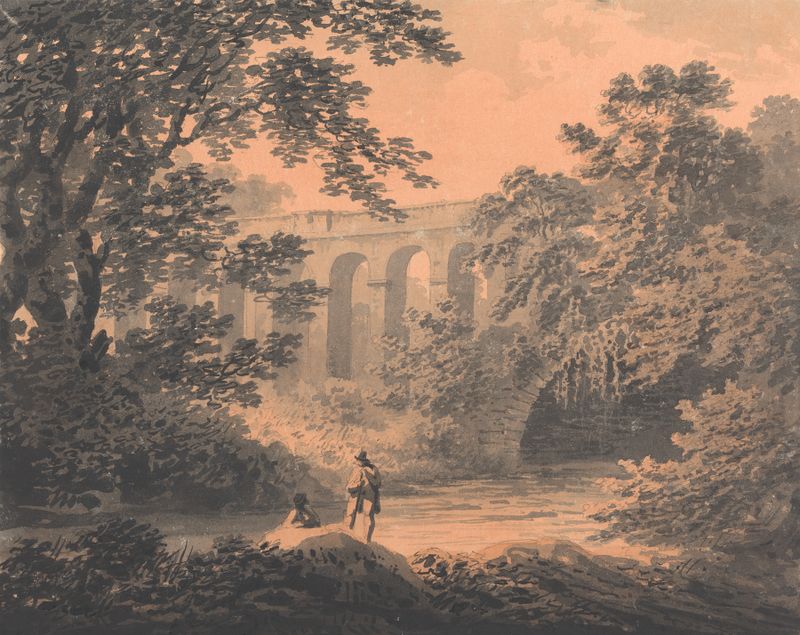
What if beauty was never meant to be finished? The untamed elegance of nature and man-made structures intertwines, inviting contemplation of impermanence and revolution. Look to the left at the sweeping landscape, where verdant hills rise and fall beneath a sky brushed with soft blues and whites. The castle, perched on the right, commands attention with its stoic presence, rendered in muted earth tones that harmonize with the surrounding landscape. Notice how the light gently caresses the castle’s stones, casting delicate shadows that reveal the intricate architecture while maintaining an aura of mystery. The juxtaposition between the robust castle and the fragile, flowing landscape encapsulates a tension between stability and change.
The castle, a symbol of power and permanence, stands against a backdrop that is alive and shifting, suggesting the inevitable evolution of beauty. This contrast prompts reflections on the passage of time, revealing that even the most solid structures can succumb to the forces of nature — a metaphor for the revolutions that shape our world. William Gilpin created this landscape between 1745 and 1748 during a period of significant artistic exploration in England, known for its fascination with picturesque beauty. As a pioneering figure in the movement, he sought to celebrate nature's beauty while advocating for an emotional connection to the landscape.
His work reflects the shifting societal values of the time, as the Enlightenment fostered new ideas about art, beauty, and the relationship between humanity and the natural world.
More Artworks by William Gilpin
Browse all →
Bridgnorth Bridge, Shropshire
William Gilpin
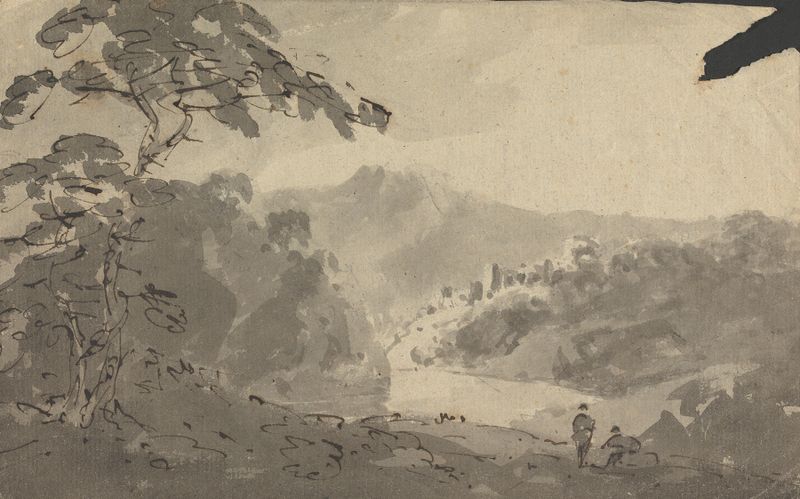
Two Men Looking Into Landscape with Castle, River and Mountain Scene
William Gilpin
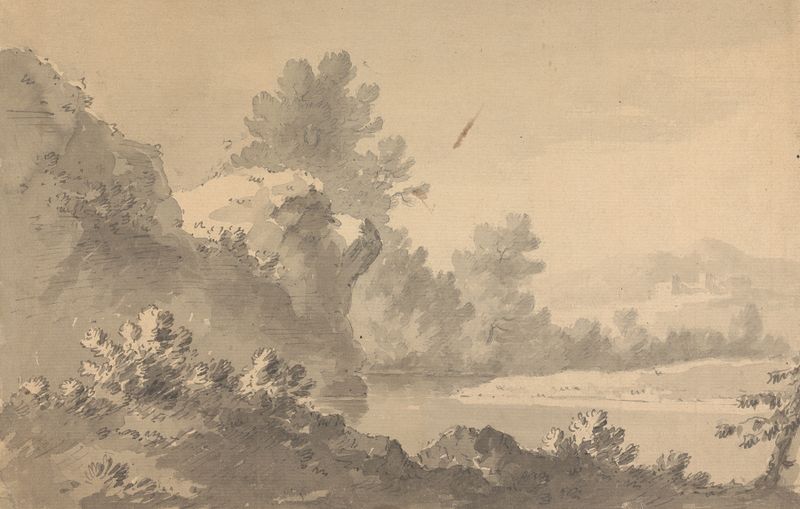
River Landscape with Castle in the Distance
William Gilpin
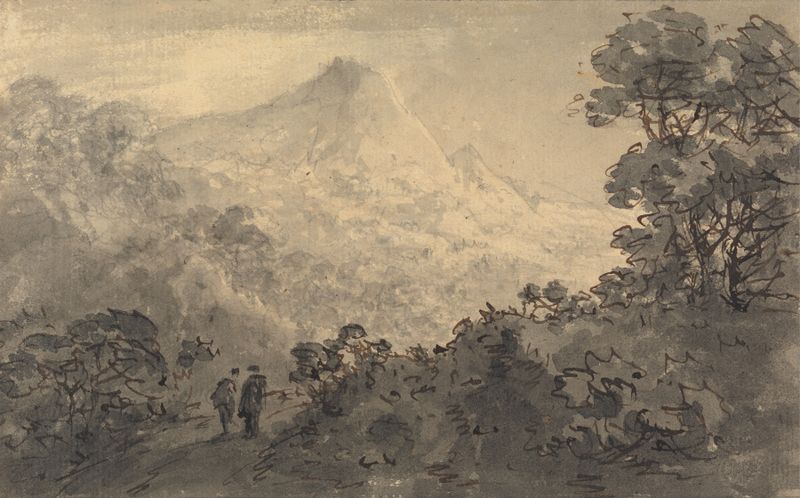
Snowdon
William Gilpin

Hilly Landscape
William Gilpin
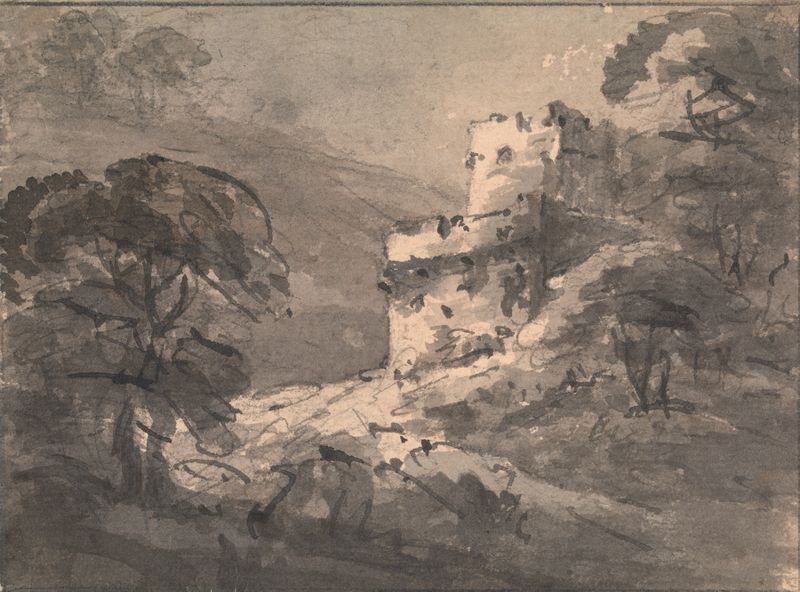
Landscape with a Ruined Castle on the Right
William Gilpin

Mountainous Landscape with Trees – High Crags to the Right
William Gilpin

View of Castle Ruin
William Gilpin
Bridge on the Malton Road from York
William Gilpin

Landscape with Two Trees and Castle
William Gilpin





