
Landscape with a rainbow — History & Facts
Did the painter know this moment would outlive them? In Landscape with a Rainbow, a fleeting glimpse of nature's majesty captures both the transience of beauty and the permanence of legacy. Focus on the serene landscape unfolding before you. To your left, verdant hills roll gracefully towards a horizon painted with gentle hues of lavender and gold, while the right side reveals the ethereal arc of the rainbow, its colors vibrant yet softened by the mist. The subtle interplay of light and shadow creates depth, drawing the eye from the foreground's delicate flowers to the expansive sky above.
Each brushstroke is deliberate, enhancing the harmony of nature that invites contemplation. Beneath the surface, contrasts emerge: the vivid colors of the rainbow against the more muted earth tones suggest hope amid adversity. The flowers in the foreground symbolize fleeting beauty, robust yet delicate, echoing the transient nature of life itself. This dichotomy encourages the viewer to reflect on their own legacy—what remains after one has passed and how moments, much like this painting, can resonate through time. At the time he created this work, Edward Duncan was navigating the evolution of British landscape painting in the late 19th century.
Art was shifting towards Impressionism, yet he remained rooted in a more traditional approach, emphasizing clarity and detail. This period was marked by societal change, and Duncan's dedication to capturing the sublime moments of nature speaks to a desire to connect with something timeless in a world increasingly focused on innovation and change.
More Artworks by Edward Duncan
Browse all →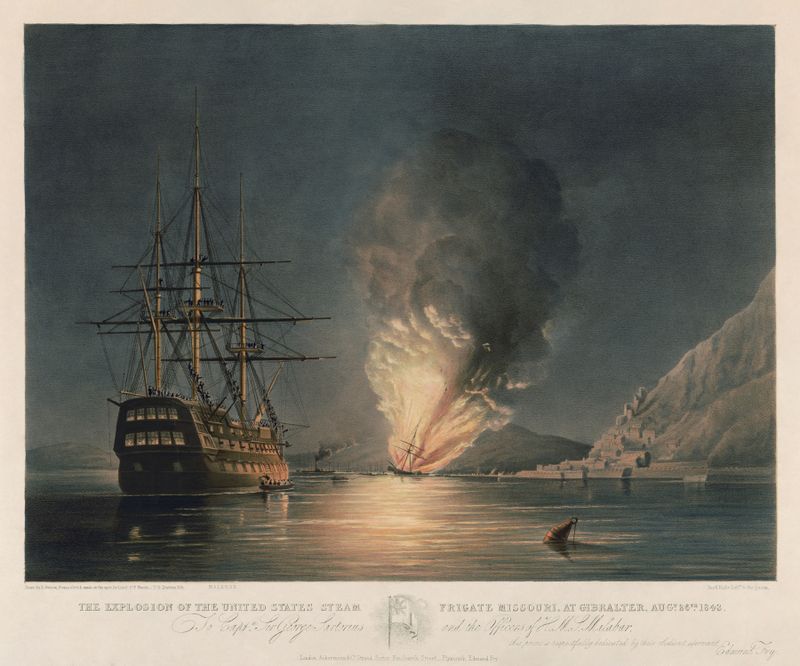
The Explosion of the United States Steam Frigate Missouri
Edward Duncan
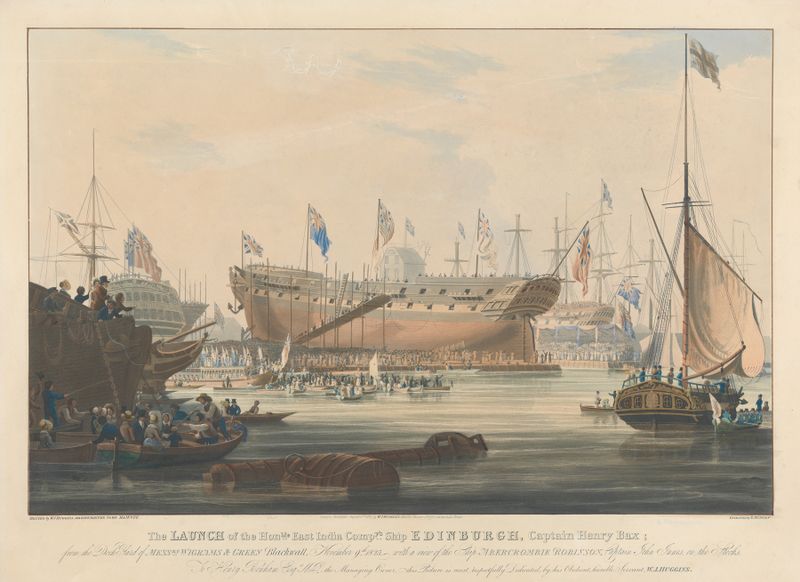
Launch of the ‘Edinburgh’, Blackwall, Nov. 9, 1825
Edward Duncan
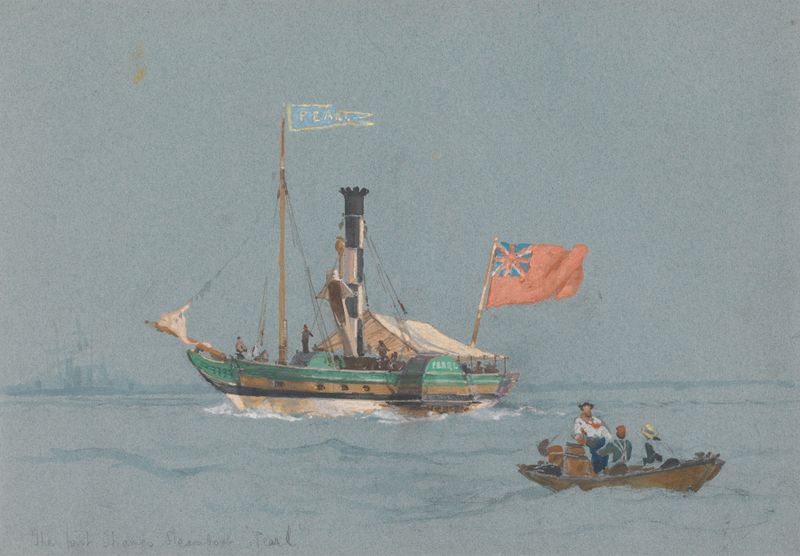
The First Thames Steamboat: Pearl
Edward Duncan
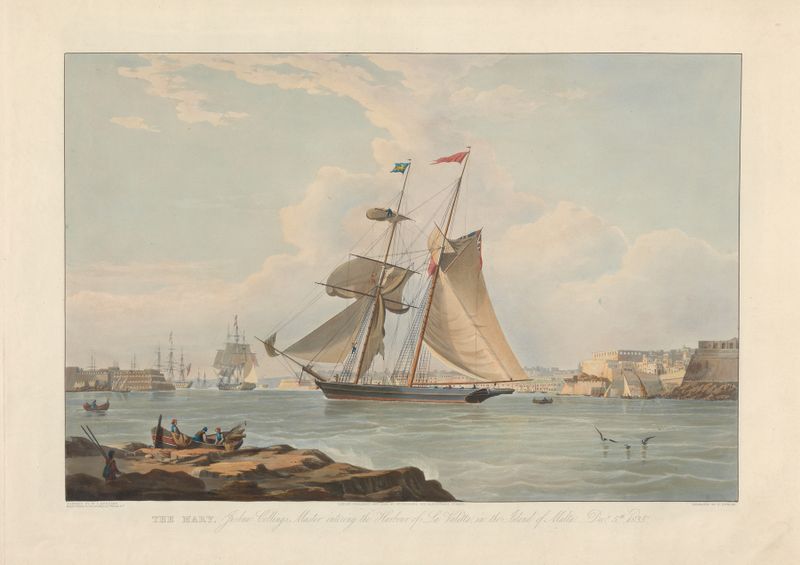
The Mary, Joshua Collings, Master, Entering the Harbour of La Valletta, in the Island of Malta, Dec. 5, 1835
Edward Duncan
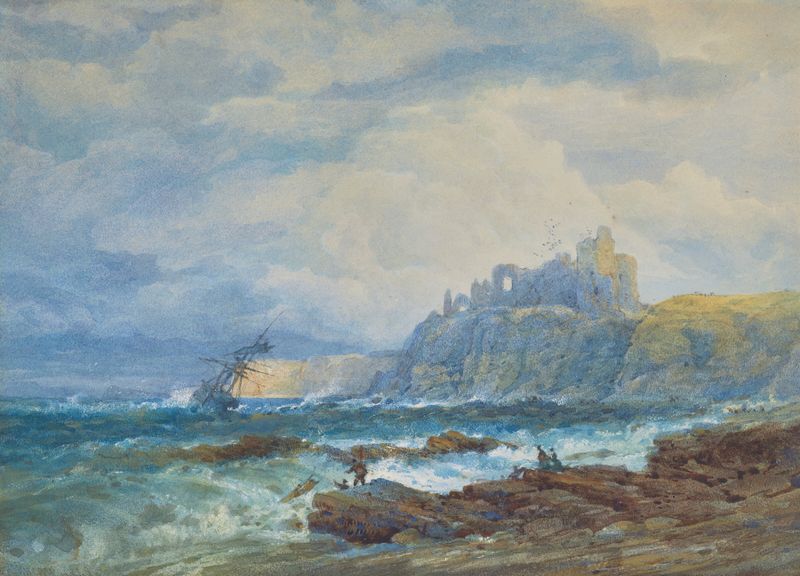
A ship in distress off Tantallon Castle, Scotland
Edward Duncan
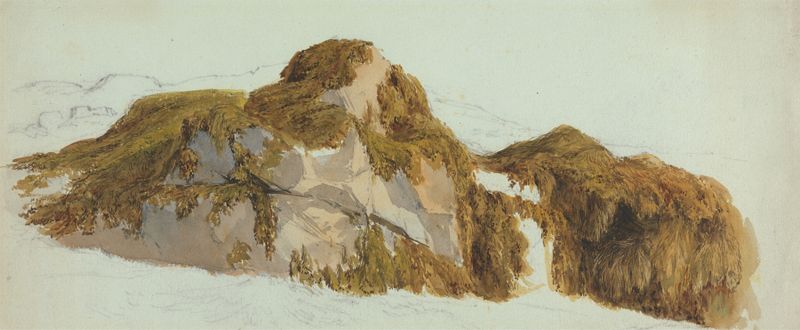
Study of Rocks Covered with Seaweed
Edward Duncan
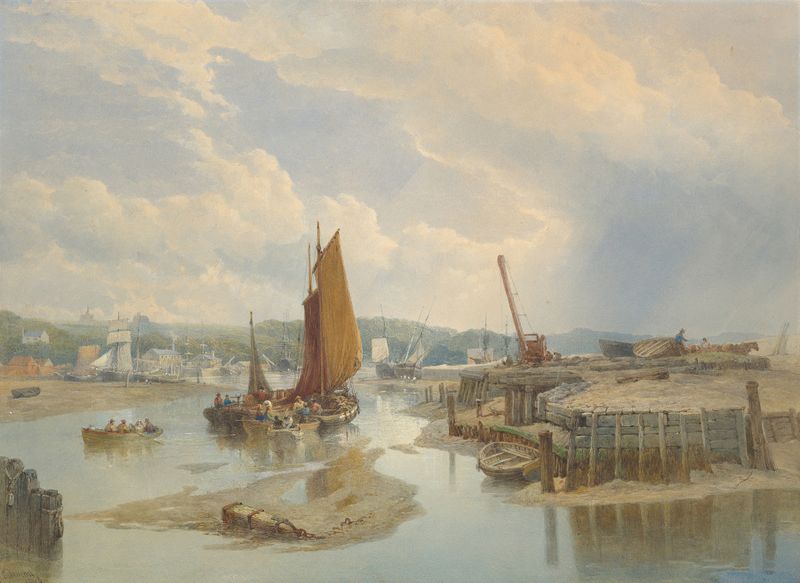
A Town on an Estuary at Low Tide
Edward Duncan
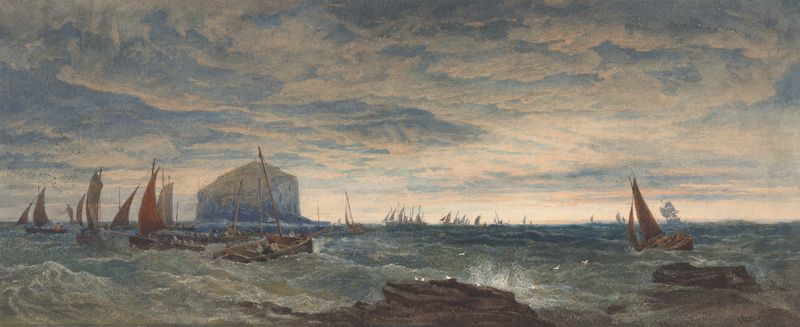
The Bass Rock at Dawn
Edward Duncan
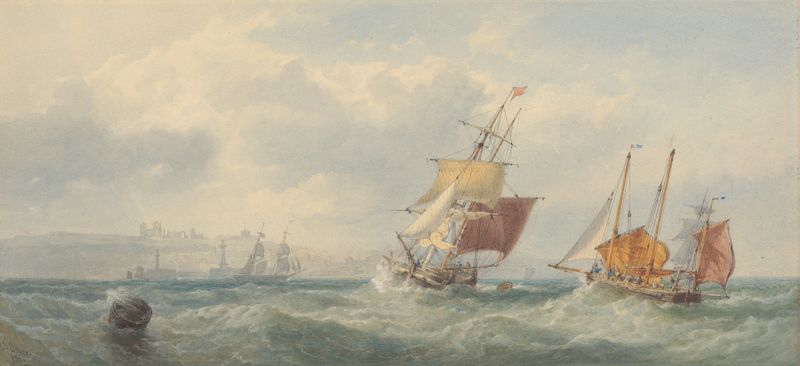
Off Whitby
Edward Duncan
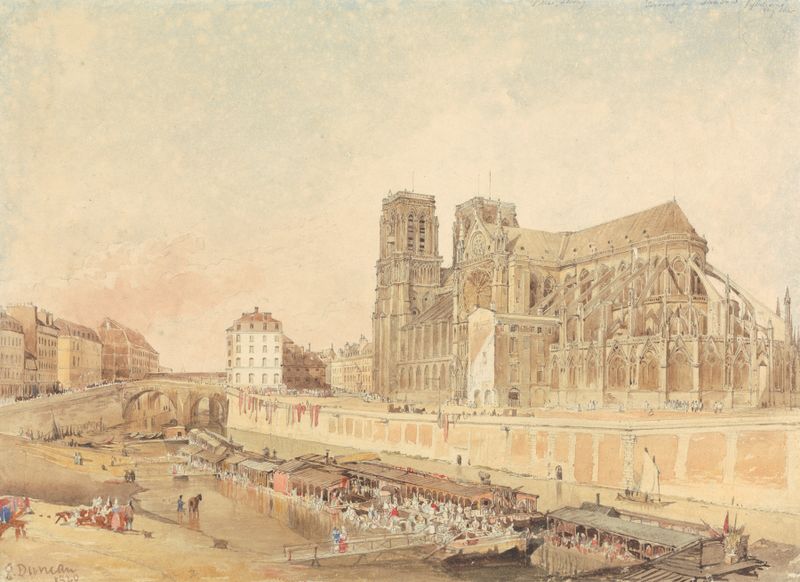
Notre Dame, Paris, from the Left Bank
Edward Duncan





