
Landscape with a Ruined Castle — History & Facts
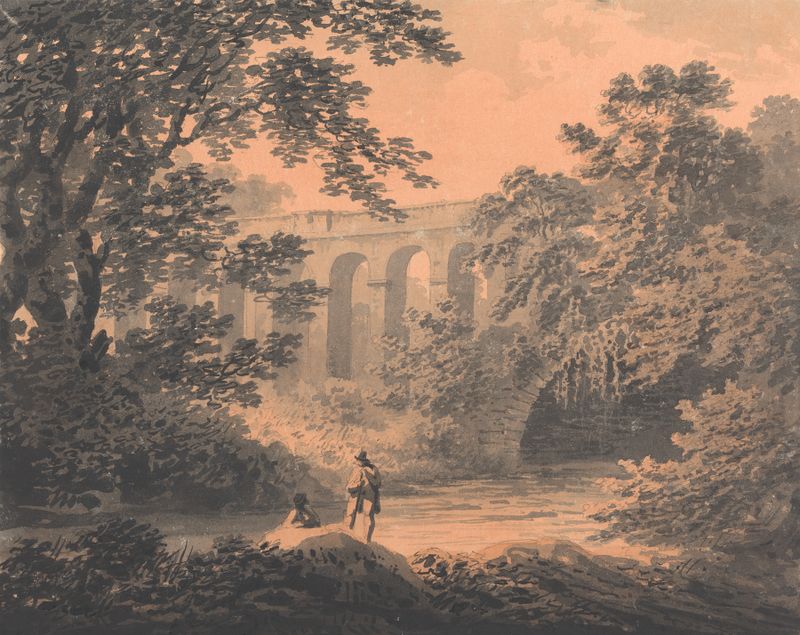
Where does light end, and longing begin? The delicate interplay of nature and human remnants in a landscape can evoke a transcendental sense of existence, urging us to ponder the echoes of the past. Look to the left at the towering, crumbling edifice, bathed in soft sunlight. It stands resolutely amidst the verdant hills, an embodiment of time's relentless passage. The artist's careful brushwork captures the textures of the stone and leaves, while muted greens and browns weave together, creating a harmonious yet melancholic palette.
The interplay of light and shadow enhances the ruins, suggesting not only decay but also the beauty of impermanence in the natural world. Within the ruins, one can discern a deep emotional tension. The castle, once a symbol of power, now succumbs to nature's embrace—a reminder of human fragility. The lush surroundings, vibrant and alive, contrast starkly with the desolate remnants of civilization, prompting reflections on loss and nostalgia.
It evokes a longing for what once was, imbuing the landscape with a sense of both serenity and sorrow. William Gilpin created this work between 1745 and 1748, amidst the early stirrings of the Romantic movement in England. As a traveler and writer, he was captivated by the picturesque beauty of landscapes, advocating for the appreciation of nature's artistry. This piece reflects his burgeoning belief that landscapes could evoke deep emotions and transcend the ordinary, marking a significant moment in the evolution of landscape painting.
More Artworks by William Gilpin
Browse all →
Bridgnorth Bridge, Shropshire
William Gilpin
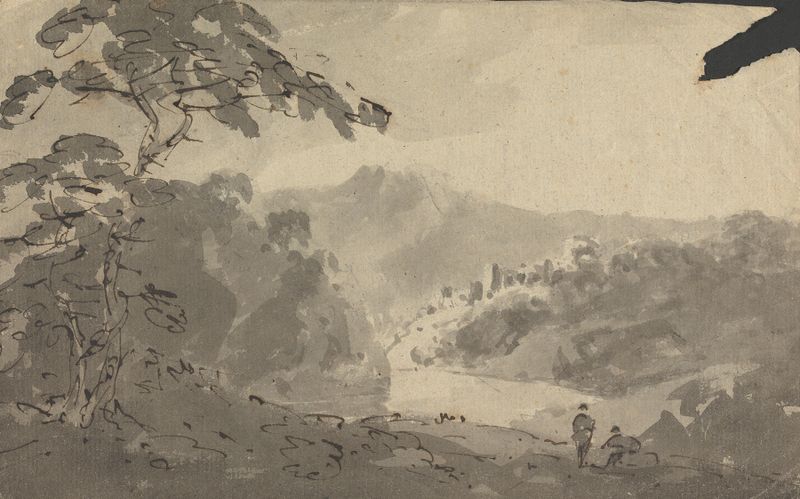
Two Men Looking Into Landscape with Castle, River and Mountain Scene
William Gilpin
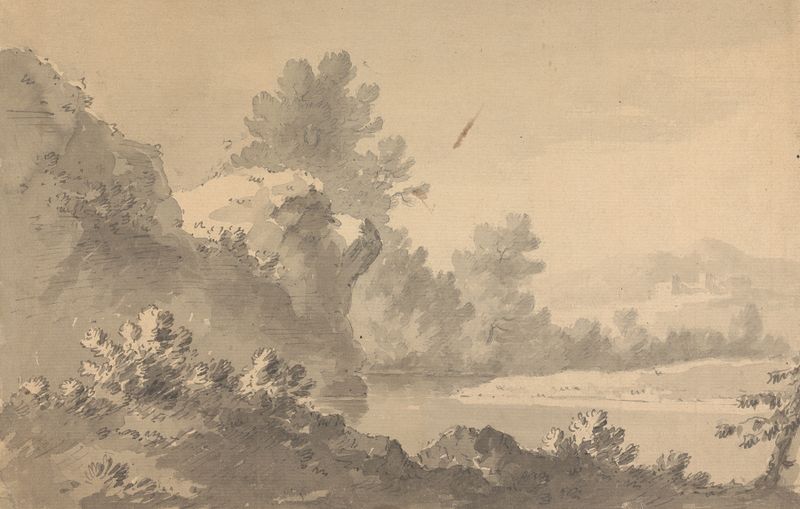
River Landscape with Castle in the Distance
William Gilpin
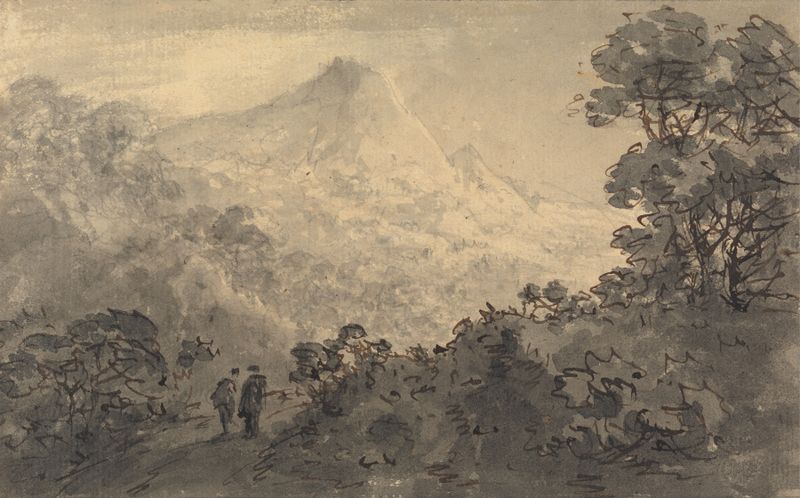
Snowdon
William Gilpin

Hilly Landscape
William Gilpin
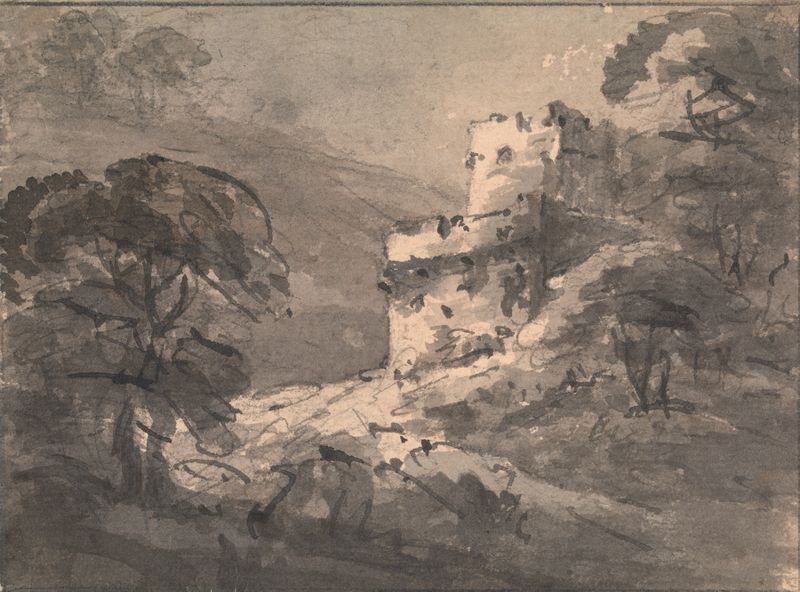
Landscape with a Ruined Castle on the Right
William Gilpin

Mountainous Landscape with Trees – High Crags to the Right
William Gilpin

View of Castle Ruin
William Gilpin
Bridge on the Malton Road from York
William Gilpin

Landscape with Two Trees and Castle
William Gilpin





