
Landscape with a thicket of trees — History & Facts
In a quiet thicket, desire lingers in the spaces between each tree, whispering secrets known only to nature and the heart. Look to the left at the dense cluster of trees, their leaves a tapestry of greens that blend seamlessly into the underbrush. The brushwork captures the softness of sunlight filtering through, dappling the ground below with light and shadow. Each stroke reveals an intentional harmony between the natural forms and the ethereal glow that bathes the scene, inviting viewers to step into this tranquil world. Within this serene landscape lies a tension between stillness and the pulse of life.
The thicket, while inviting, symbolizes the complex interplay of longing and concealment, hinting at what may be hidden beneath the surface. The placement of the trees creates a sense of enclosure, evoking feelings of both security and isolation. It’s an emotional landscape that speaks to the universal desire for connection, even amidst solitude. Created between 1859 and 1879, this work emerged during a period of great transformation in the art world, with movements shifting towards realism.
Arthur Blaschnik, engaged in the early exploration of naturalism, sought to capture not only the beauty of the landscape but also the emotional depths it evoked. This painting reflects his desire to connect viewers with the essence of nature, a theme resonant in the changing times and his personal experiences as an artist.
More Artworks by Arthur Blaschnik
Browse all →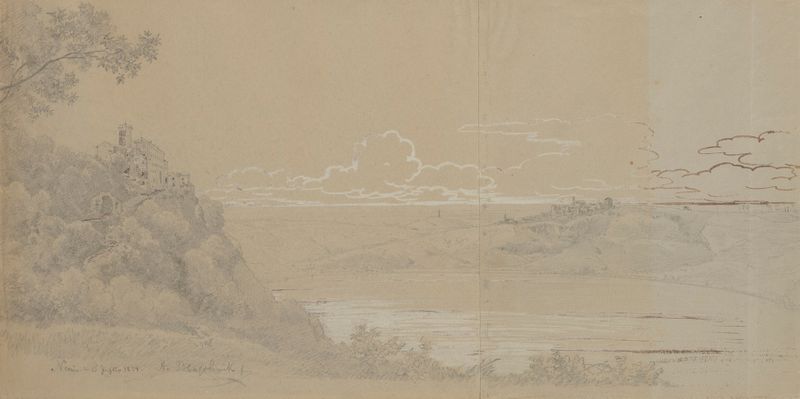
Palazzo Ruspoli by Lake Nemi, in the Distance the Town of Genzano di Roma
Arthur Blaschnik
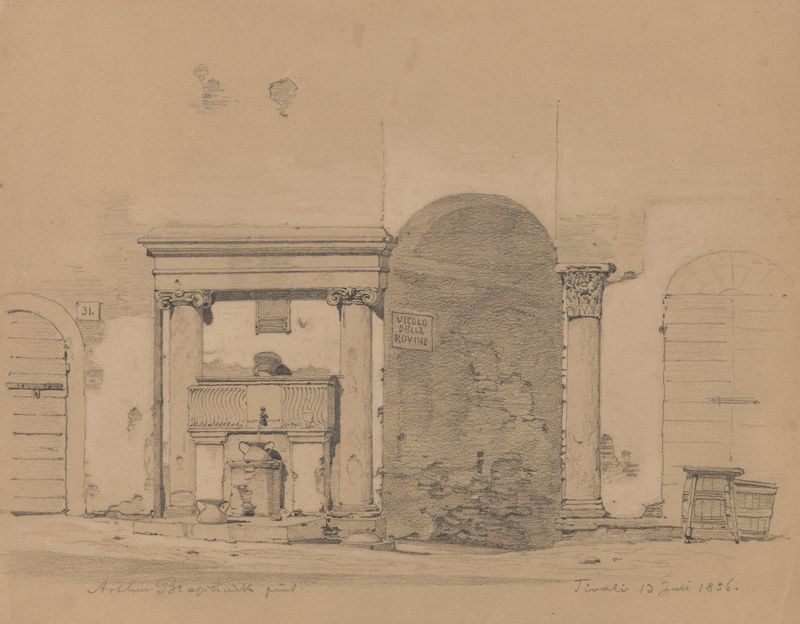
Gate Leading to Vicoli dei Grana near Piazza Palatina in Tivoli
Arthur Blaschnik
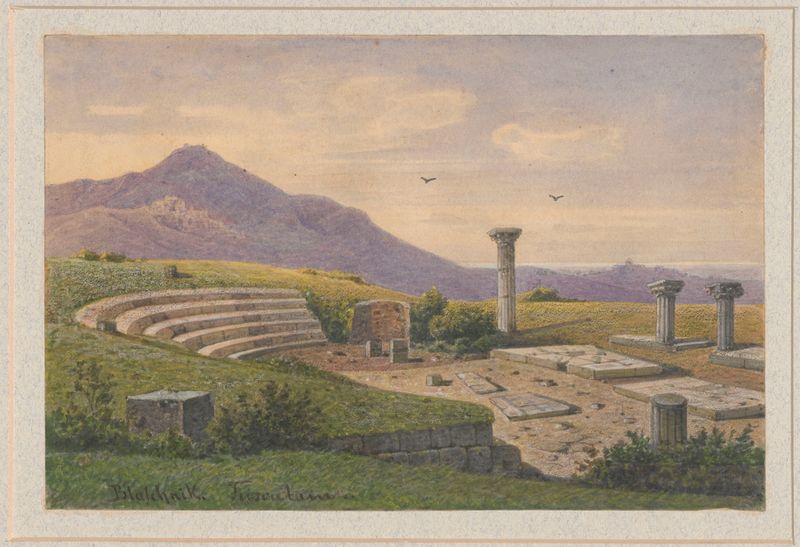
Amphitheatre in Tusculum
Arthur Blaschnik
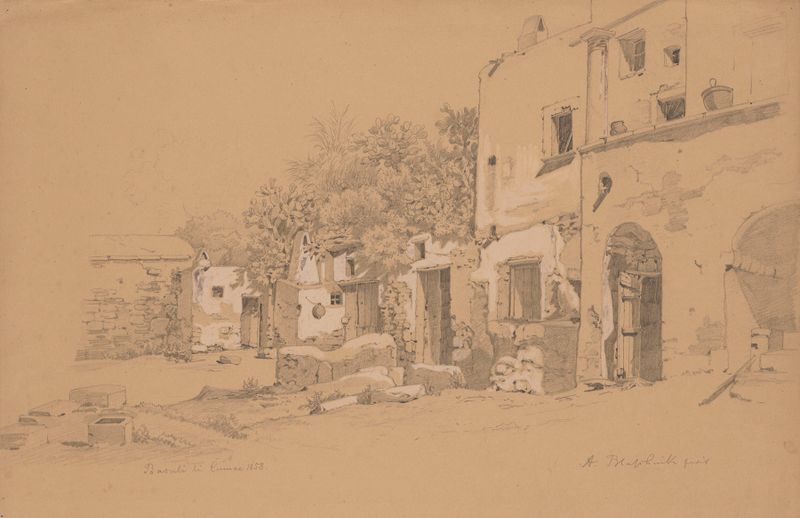
House and Outbuildings in Bacoli
Arthur Blaschnik
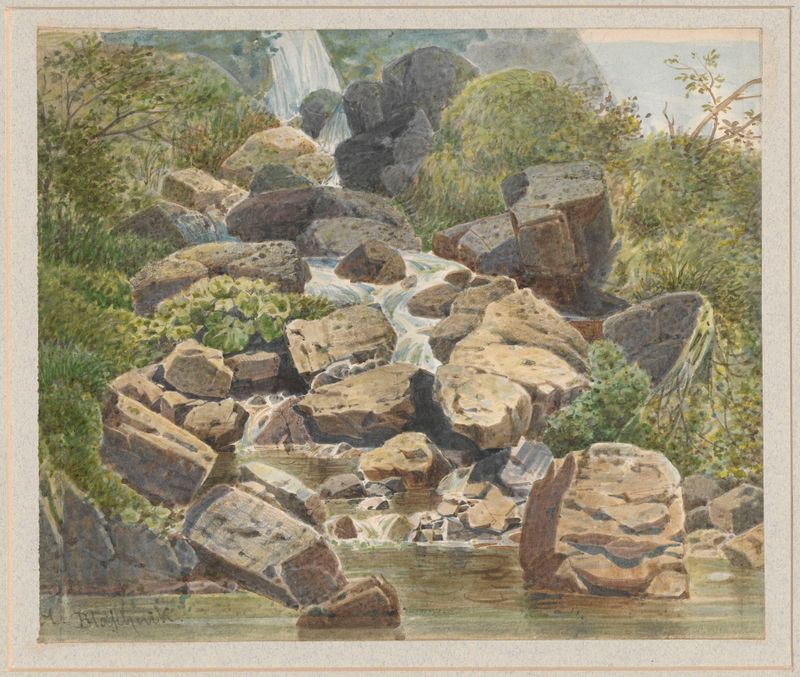
View of a small waterfall near Covigliaio, Tuscany
Arthur Blaschnik
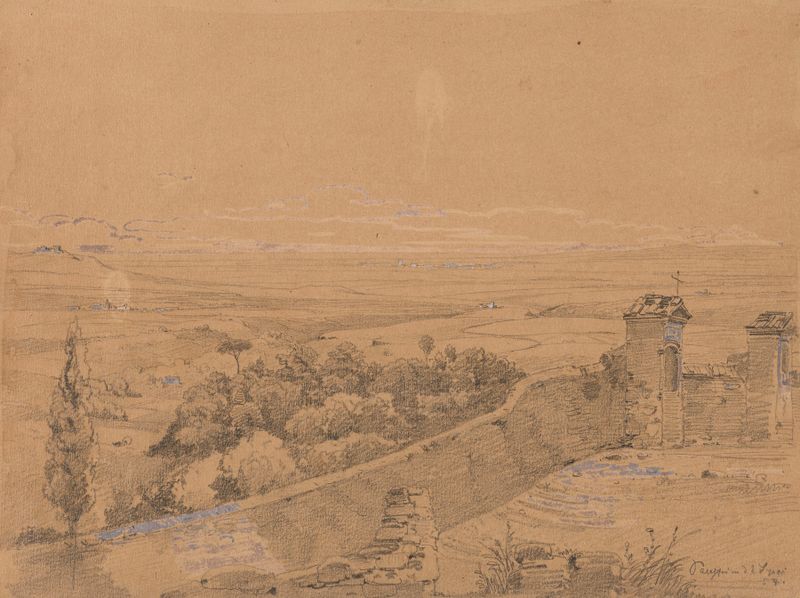
Landscape from the Vicinity of Palestrina
Arthur Blaschnik
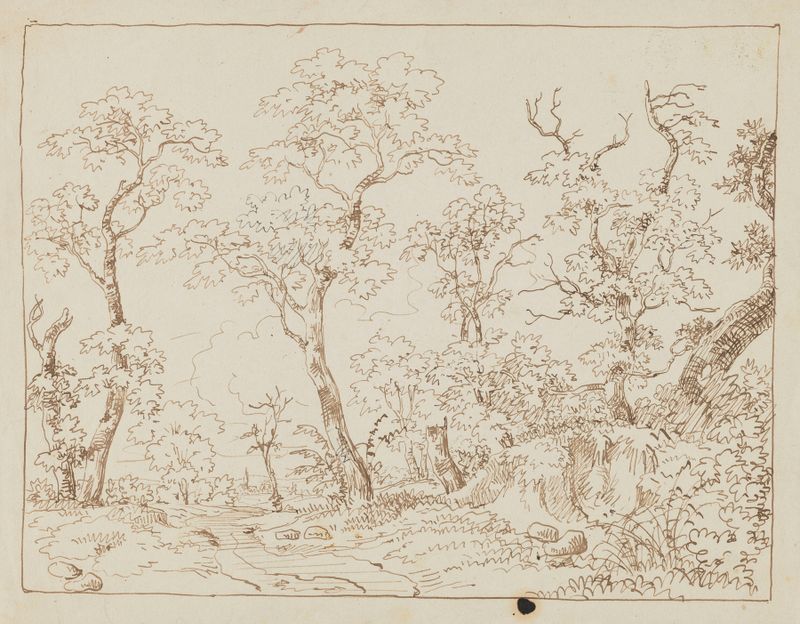
Studies of Trees, Landscape
Arthur Blaschnik
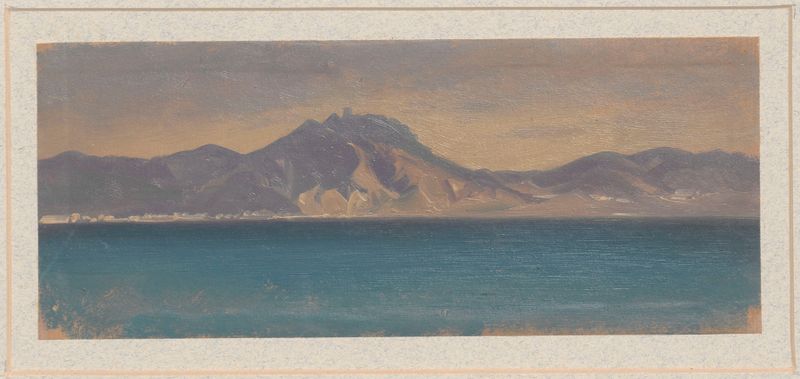
View of the Island of Capri
Arthur Blaschnik
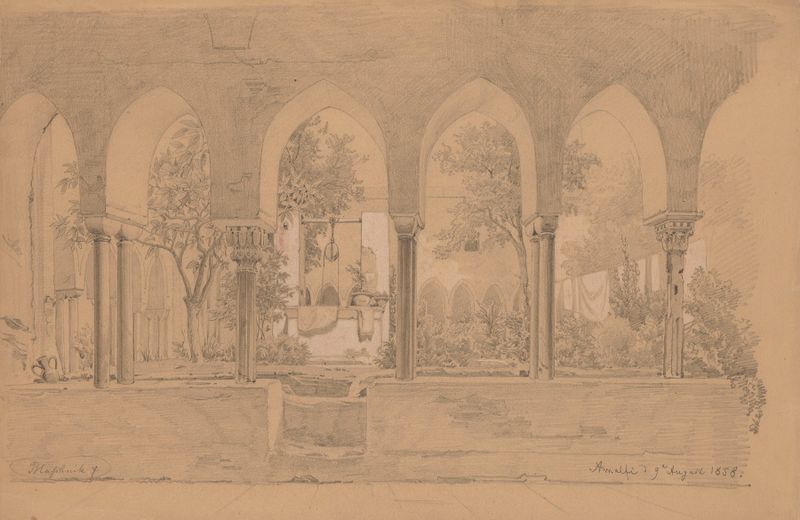
Cloister with Arcade Gallery in Amalfi
Arthur Blaschnik
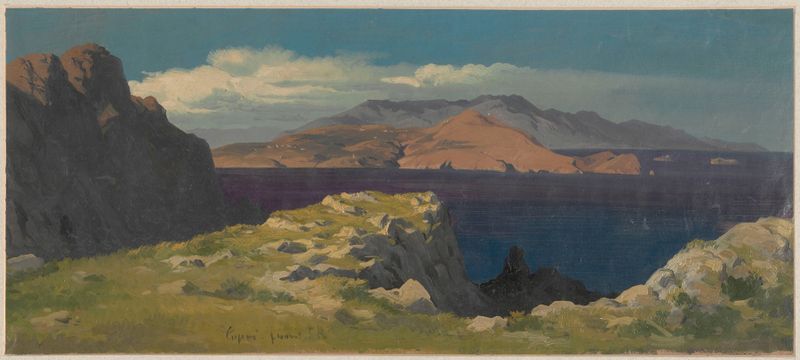
View of Capri
Arthur Blaschnik





