
Landscape with a waterfall — History & Facts
What if beauty was never meant to be finished? In the lush greens and crystalline blues of Kazimierz Stabrowski's Landscape with a Waterfall, we find an eternal moment, a place where nature’s splendor invites us to awaken our senses. Look to the left at the cascading waterfall, its frothy water catching the light in a dazzling display of whites and blues. Notice how the artist uses an array of greens to breathe life into the surrounding trees, creating depth with darkened shadows that contrast sharply against the illuminated foliage. The composition draws the eye along the natural flow of the land, urging the viewer to explore the serene harmony between water and earth, while delicate brush strokes guide each element in perfect unity. Beneath the surface of this idyllic scene lie deeper reflections on the passage of time and transience.
The waterfall, both powerful and gentle, symbolizes the relentless flow of life, while the serenity of the landscape suggests a moment frozen before change. The juxtaposition of the vibrant flora against the rushing water evokes a sense of calm amidst chaos, prompting contemplation about the cycles of nature and the human experience. Stabrowski created Landscape with a Waterfall in 1928, during a time when Europe was grappling with the aftermath of World War I and the shifting dynamics of modernism in art. Living and working in Poland, he sought to capture the raw beauty of his homeland, reflecting his desire for renewal and peace.
This period marked an exploration of personal expression against a backdrop of social change, as artists began to embrace nature as a source of inspiration and solace.
More Artworks by Kazimierz Stabrowski
Browse all →
Mosque in Kairouan
Kazimierz Stabrowski
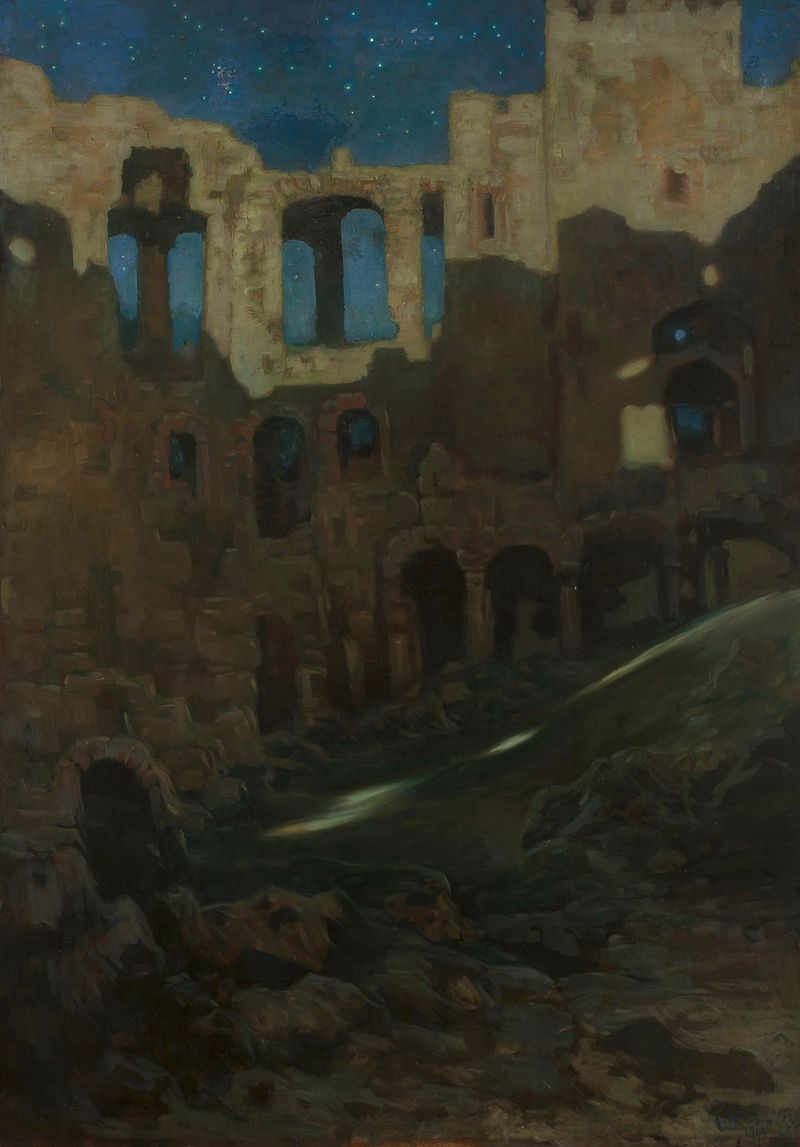
Ruins of the Krzyżtopór castle in Ujazd
Kazimierz Stabrowski
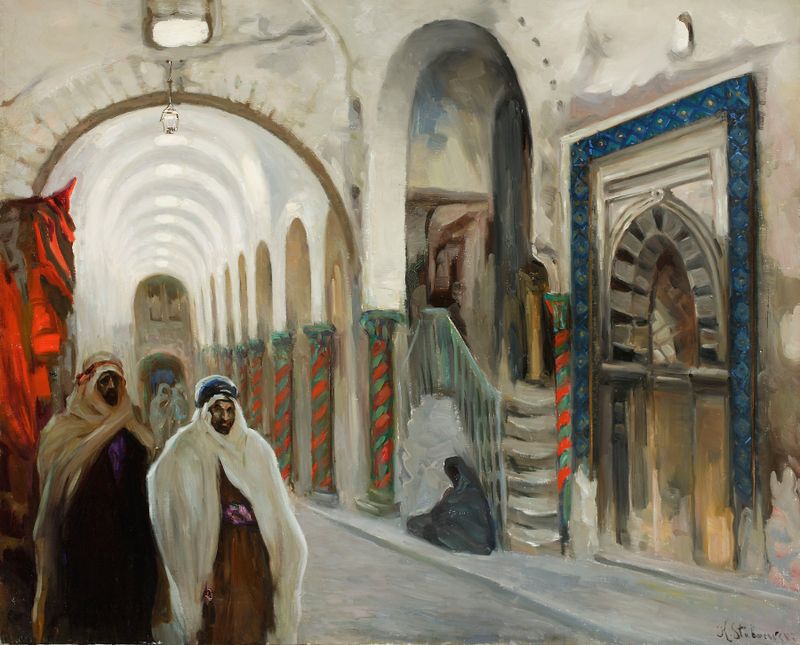
Souq in Kairouan
Kazimierz Stabrowski

Landscape with three trees
Kazimierz Stabrowski
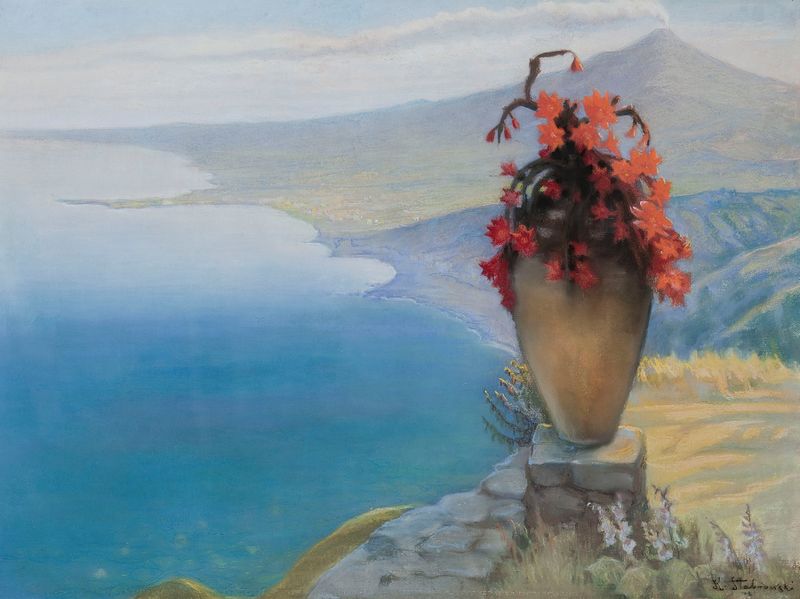
View of Taormina
Kazimierz Stabrowski

Vilnius – Cathedral Bell Tower
Kazimierz Stabrowski
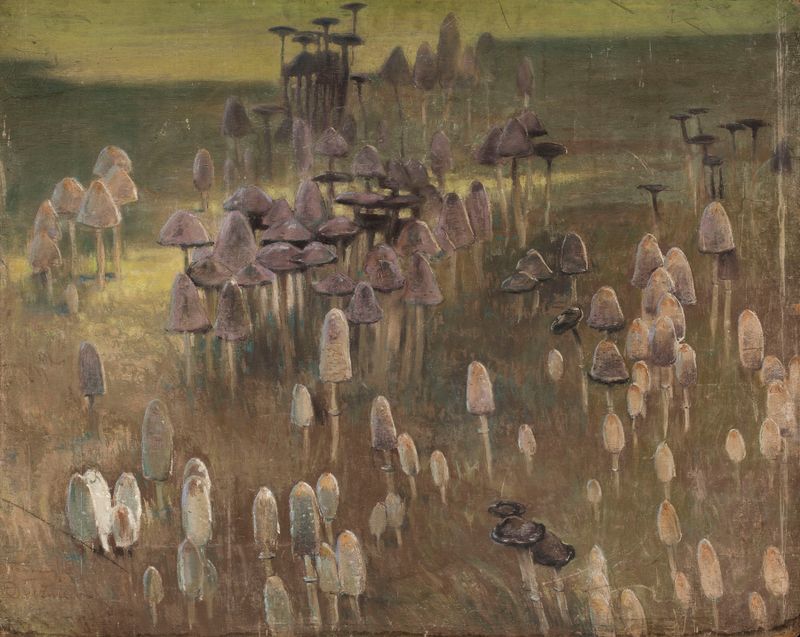
Autumn flora
Kazimierz Stabrowski
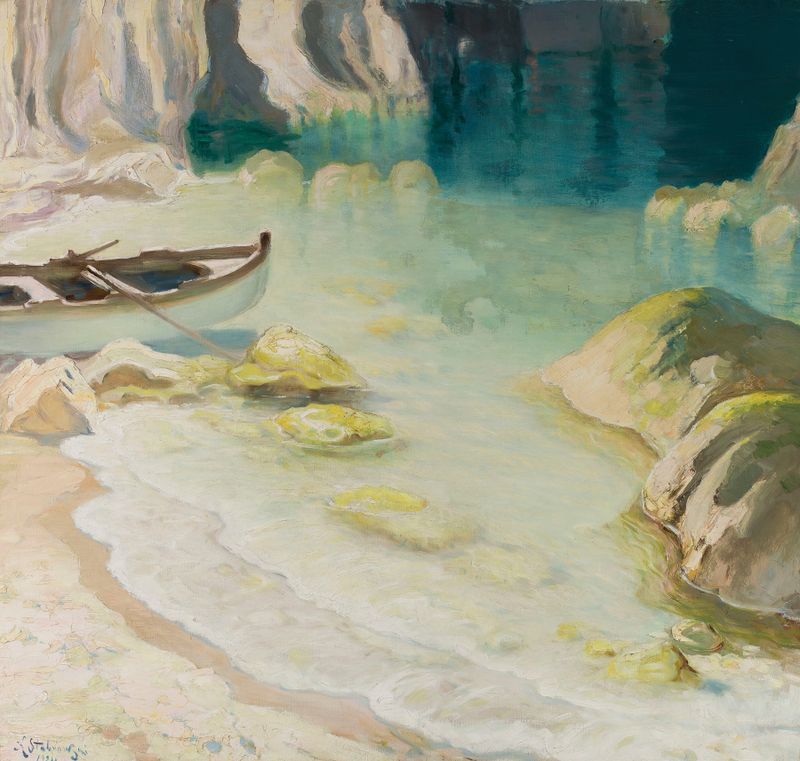
Boat at rocky coast
Kazimierz Stabrowski
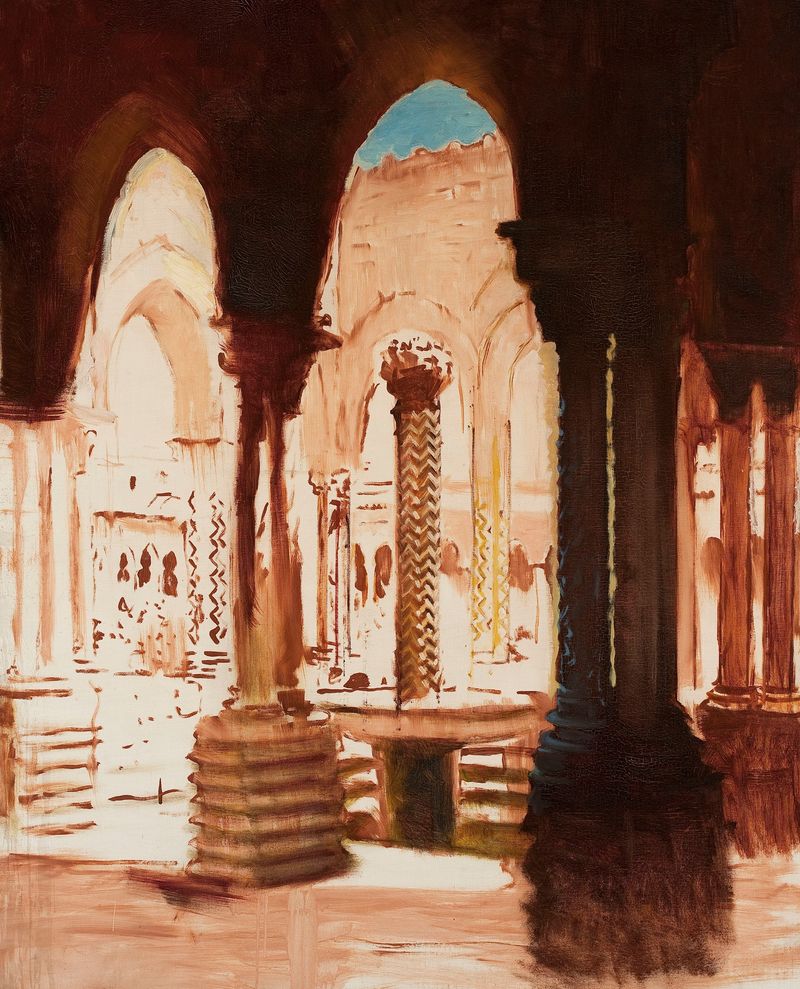
Monastery courtyard in Monreale-Palermo
Kazimierz Stabrowski
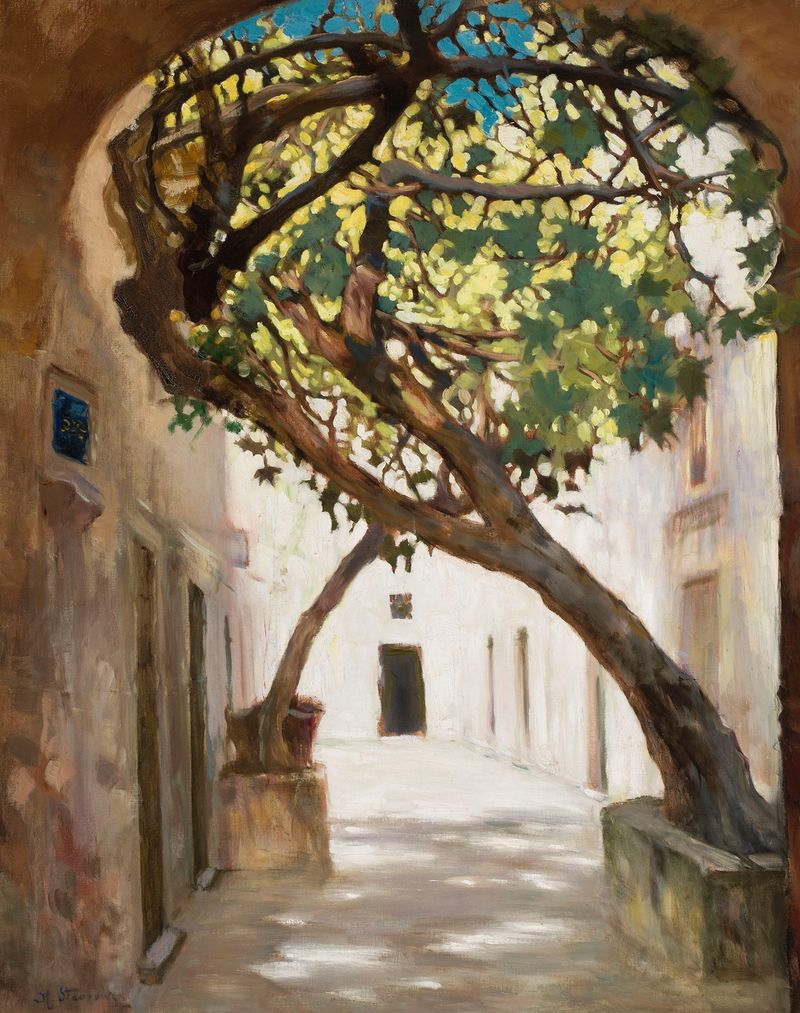
Street in Sarajevo
Kazimierz Stabrowski





