
Landscape with Beatus Cave — History & Facts
In the delicate balance of nature and human experience, the fragility of existence is laid bare. Look to the foreground, where a shimmering river winds through verdant hills, inviting the eye to wander. Notice how the light dances upon the water's surface, creating radiant reflections that draw you deeper into the scene. The subtle variances in green hues across the landscape breathe life into every blade of grass and leaf, while the soft, muted sky hints at a changing mood, blending warm oranges and cool blues in harmonious dialogue. Yet beneath this tranquil surface lies an emotional tension—the juxtaposition of beauty and impermanence.
The looming rocks and shaded caverns serve as reminders of nature’s raw power and the grim realities that accompany its splendor. The distant figures, almost insignificant against the vastness, reflect humanity's transient presence in this majestic, yet unforgiving, landscape. Here, fragility reigns, as the allure of the picturesque contrasts sharply with the inevitable passage of time. Created between 1774 and 1777, this artwork emerged during a period of profound transformation for its creator.
Wolf, a Swiss painter, was deeply influenced by the burgeoning Romantic movement, which celebrated nature's beauty, but often emphasized its wild and untamed spirit. At this time, grand landscapes became a way for artists to explore complex emotional landscapes, mirroring the societal shifts occurring in Europe as Enlightenment ideals began to clash with Romantic introspection.
More Artworks by Caspar Wolf
Browse all →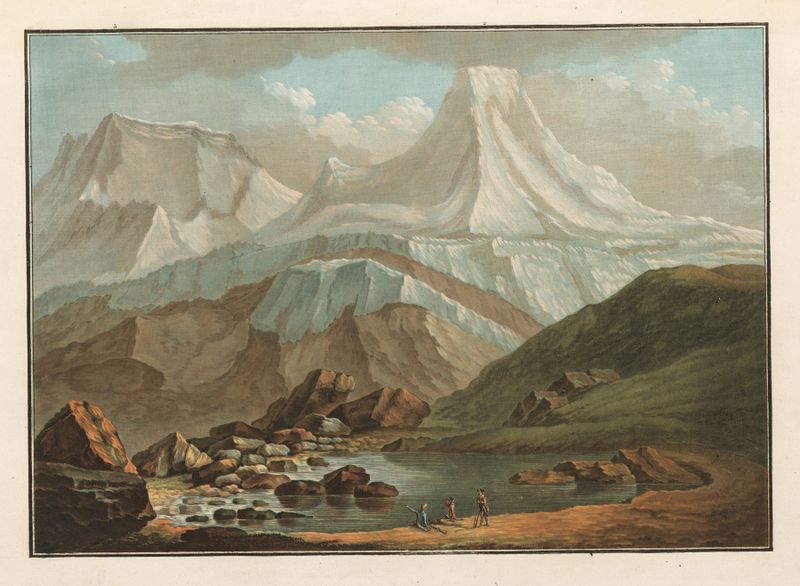
Vue du Gross-Horn et du Breit-Horn avec le petit lac d’Oberhorn
Caspar Wolf
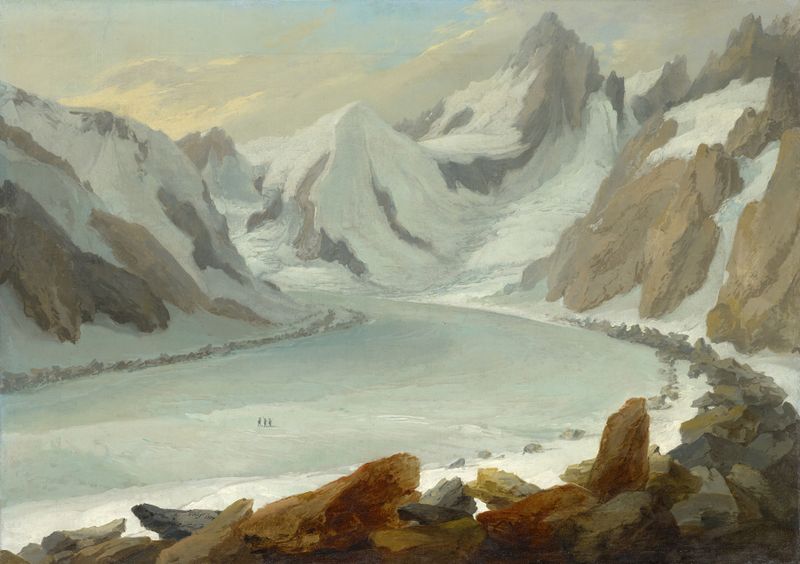
Finsteraargletscher mit Blick auf das Finsteraarhorn
Caspar Wolf
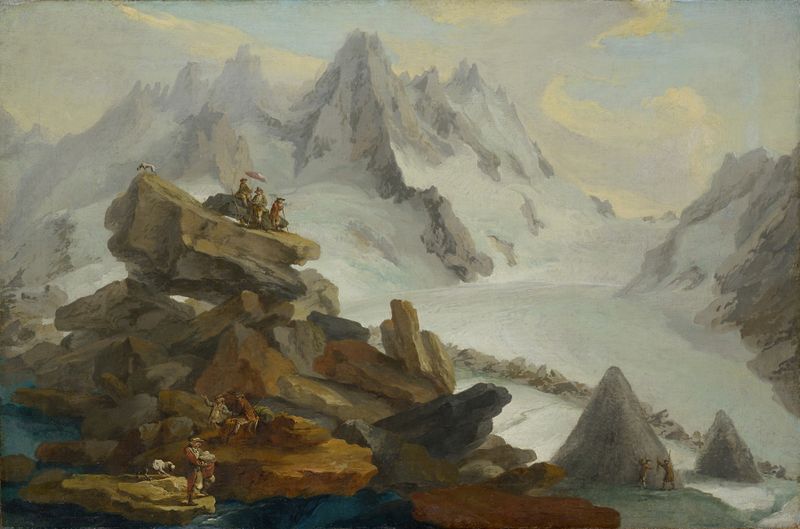
Glacier Lauteraar
Caspar Wolf

Glacier de Lauteraar Canton de Berne Province d’Oberhasli
Caspar Wolf
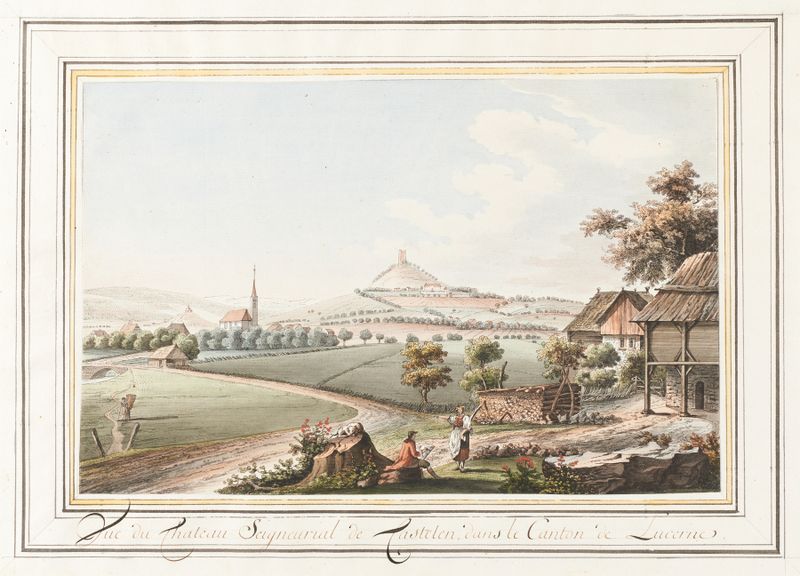
Vue du Chateau Seigneurial de Castelen dans le Canton de Lucerne
Caspar Wolf

Wasserfall im Tobel bei Muri
Caspar Wolf
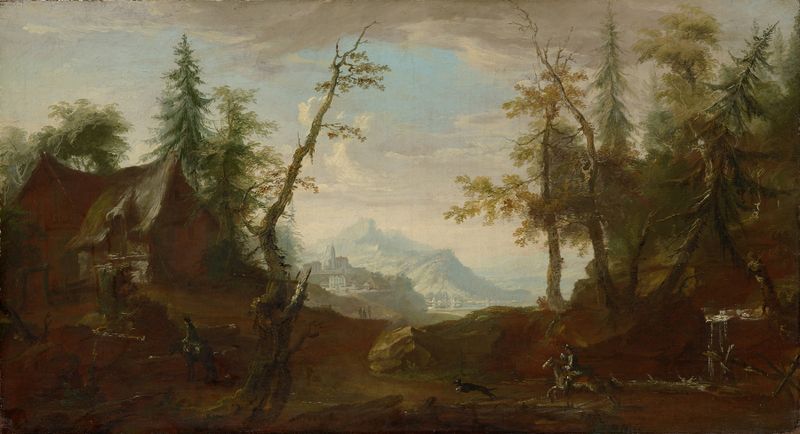
Farmhouse in a Forest Glade with Riders
Caspar Wolf
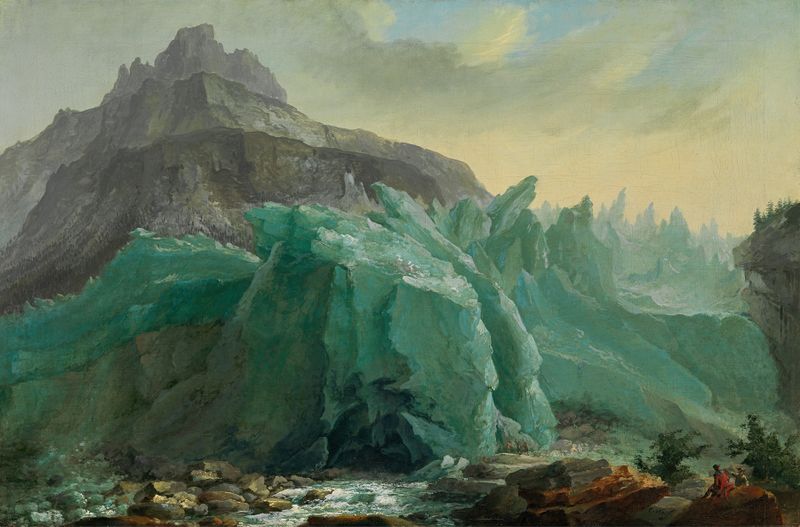
The Lower Grindelwald Glacier with Lütschine and the Mettenberg
Caspar Wolf
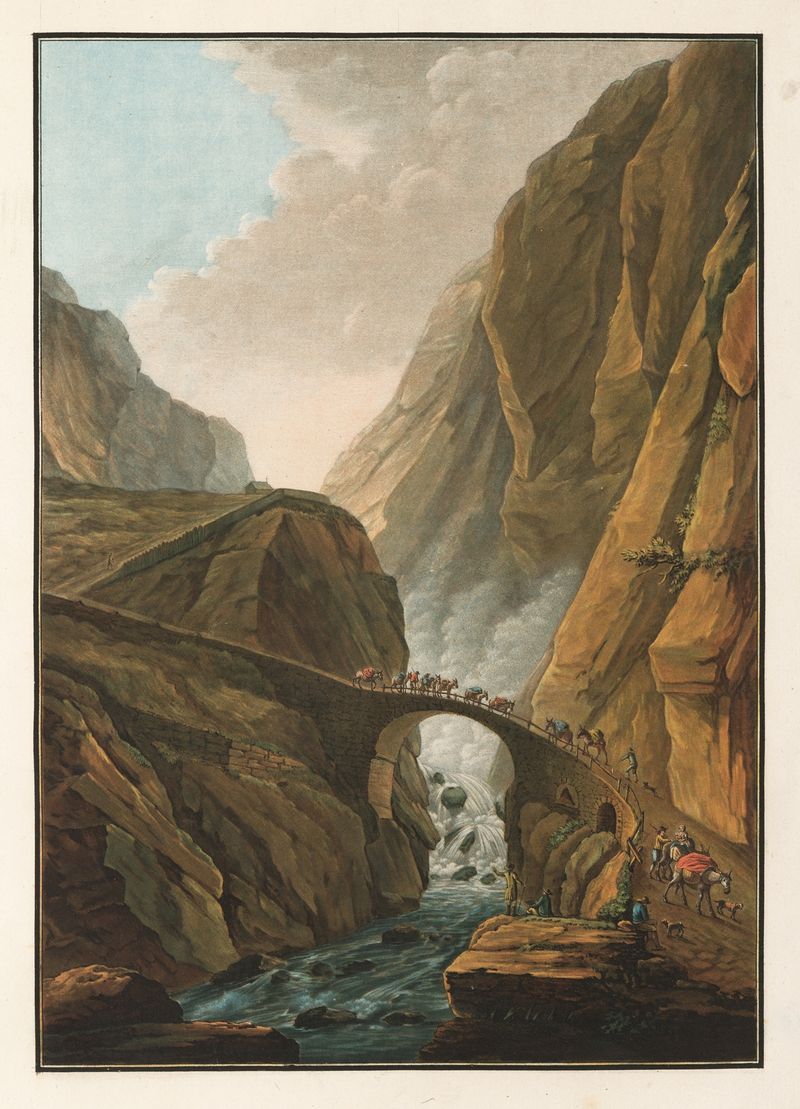
Teufelsbrücke
Caspar Wolf
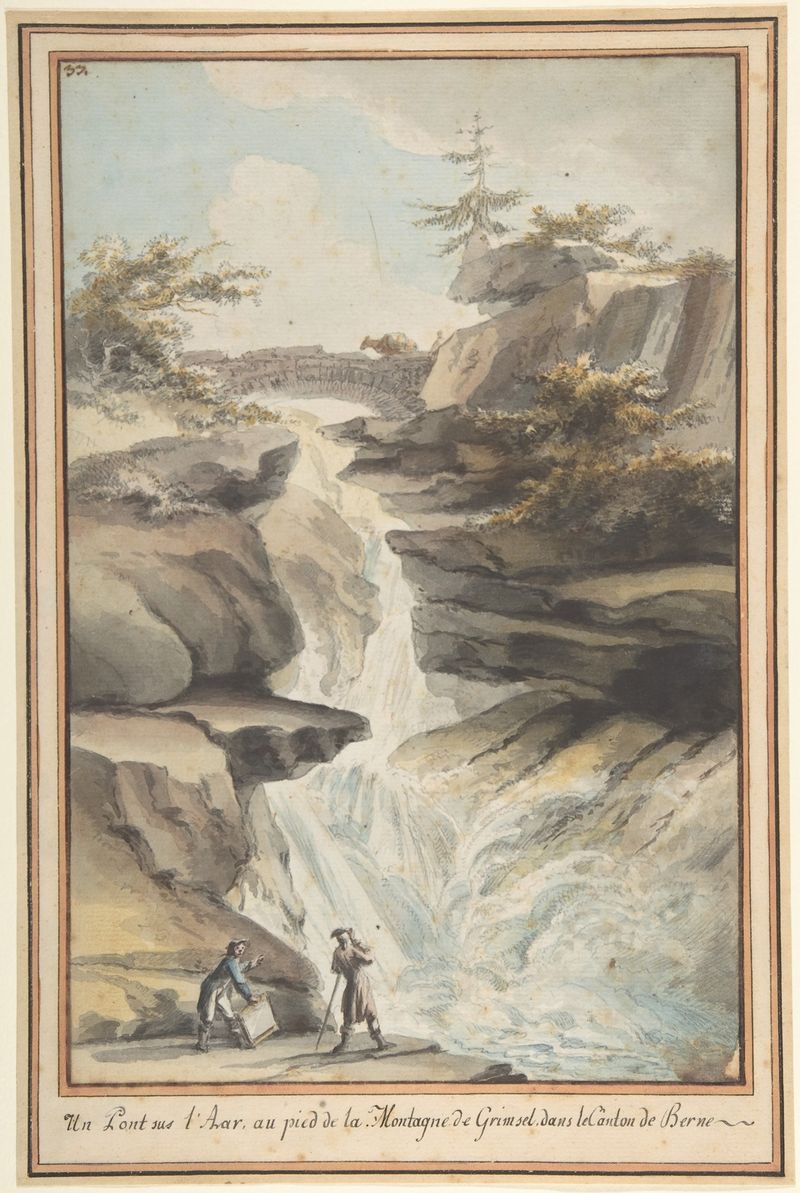
A Bridge on the Aar, at the Foot of the Grimsel, in the Canton of Berne
Caspar Wolf





