
Landscape with Castle on a Hill at Left — History & Facts
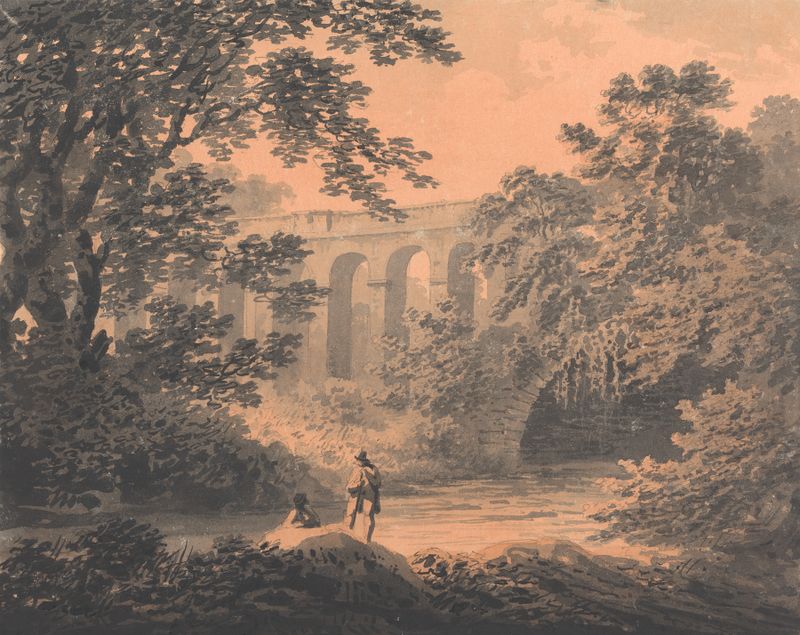
Did the painter know this moment would outlive them? In Landscape with Castle on a Hill at Left, a world unfolds, rich with the echoes of both sanity and madness, where nature and human ambition collide in an endless dance. Look to the left at the castle, its sturdy silhouette rising against the sky, a testament to man's aspiration yet faintly cast in shadow. The hill slopes downward, blending greens and browns, while soft, muted blues in the sky offer a calm contrast. Notice how the brushstrokes pulse with a frenetic energy, rendering nature alive — the foliage whispers secrets of the land, and the architecture, though static, seems poised to tumble into the abyss below. Delve deeper, and the juxtaposition emerges: the timelessness of the castle stands in stark contrast to the verdant chaos surrounding it.
The way the light dapples through the branches hints at moments of clarity amidst uncertainty. There is an unsettling harmony here; the beauty of the landscape flirts with chaos, reflecting a tension between serenity and the madness of human endeavor. Each detail, from the delicately painted leaves to the looming structure, evokes a sense of fleeting time and the weight of history. Between 1745 and 1748, William Gilpin painted this work during a period marked by the rise of the Romantic movement, which sought to express the sublime in nature.
He was exploring the boundaries of landscape painting while grappling with societal changes in England. This ambition to capture beauty and emotion laid the groundwork for future artists, making his exploration of form and content a significant contribution to the art world’s evolving narrative.
More Artworks by William Gilpin
Browse all →
Bridgnorth Bridge, Shropshire
William Gilpin
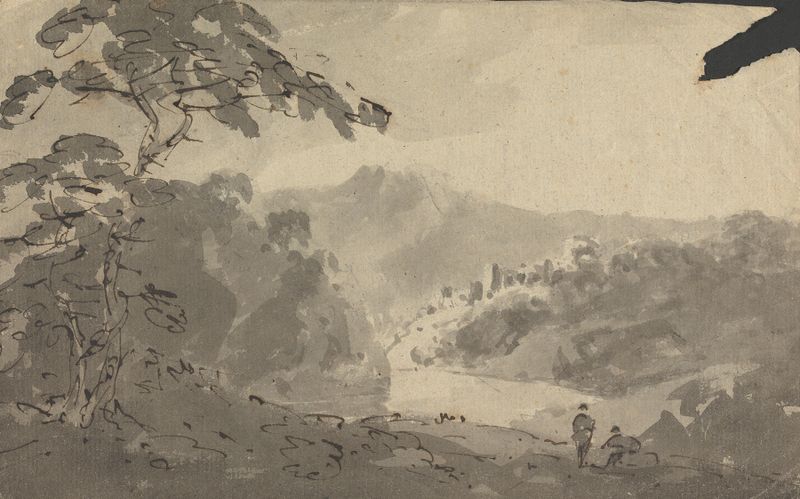
Two Men Looking Into Landscape with Castle, River and Mountain Scene
William Gilpin
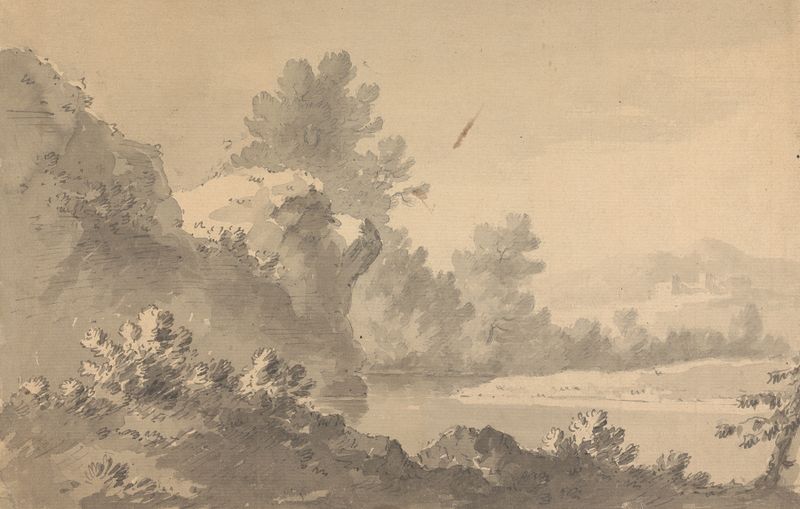
River Landscape with Castle in the Distance
William Gilpin
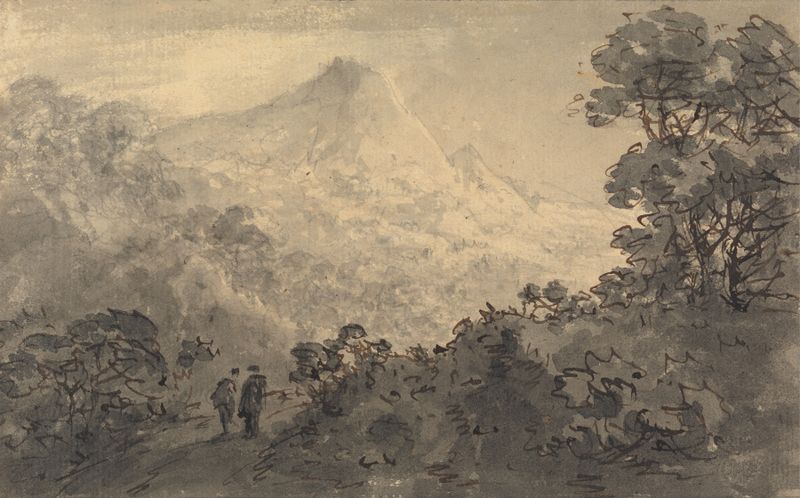
Snowdon
William Gilpin

Hilly Landscape
William Gilpin
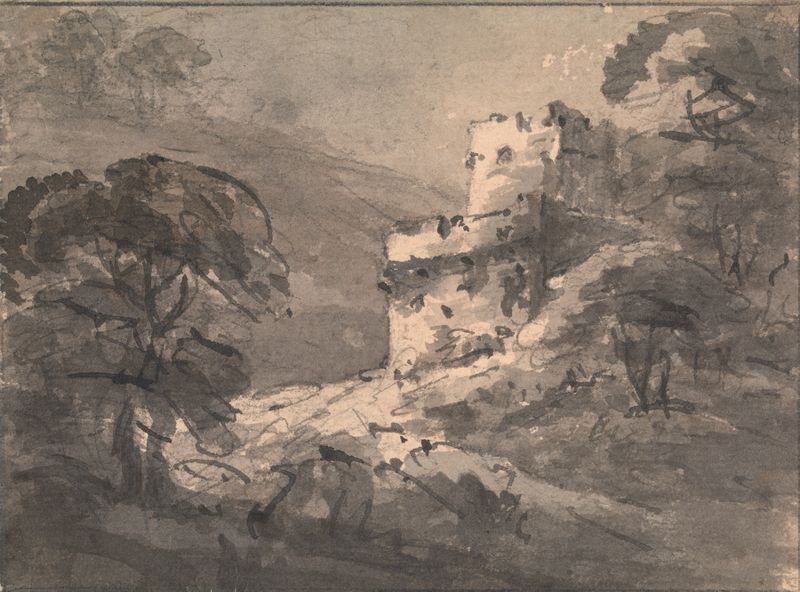
Landscape with a Ruined Castle on the Right
William Gilpin

Mountainous Landscape with Trees – High Crags to the Right
William Gilpin

View of Castle Ruin
William Gilpin
Bridge on the Malton Road from York
William Gilpin

Landscape with Two Trees and Castle
William Gilpin





