
Landscape with Cottages — History & Facts
Who listens when art speaks of silence? In Landscape with Cottages, the tranquil scene whispers of rebirth amid nature’s gentle embrace. Focus first on the foreground, where a cluster of thatched-roof cottages nestles among soft, rolling hills. The light dapples through the leaves, casting intricate shadows that dance across the earth. The palette of muted greens and warm browns creates a harmonious balance, inviting viewers to linger in the serene atmosphere, while the wispy clouds above hint at the ephemeral nature of this tranquil moment. Within this idyllic setting lies a delicate interplay between the man-made and the natural world.
The cottages, sturdy yet humble, symbolize resilience, standing firm against the backdrop of the vast, ever-changing landscape. The subtle brushwork evokes a sense of movement in the trees, suggesting a quiet dialogue between the structures and their surroundings. This interplay speaks of coexistence, where humanity finds solace and rebirth within nature’s cradle. During the 1860s to 1918, the artist captured this essence of rural life in France, a time when rapid urbanization began to reshape the world.
As he painted, Lepère was influenced by the Impressionist movement, which encouraged a focus on light, atmosphere, and everyday scenes. His work reflects a yearning for simplicity and a connection to the earth, offering a poignant reminder of the beauty found in stillness and the cycle of renewal.
More Artworks by Auguste Louis Lepère
Browse all →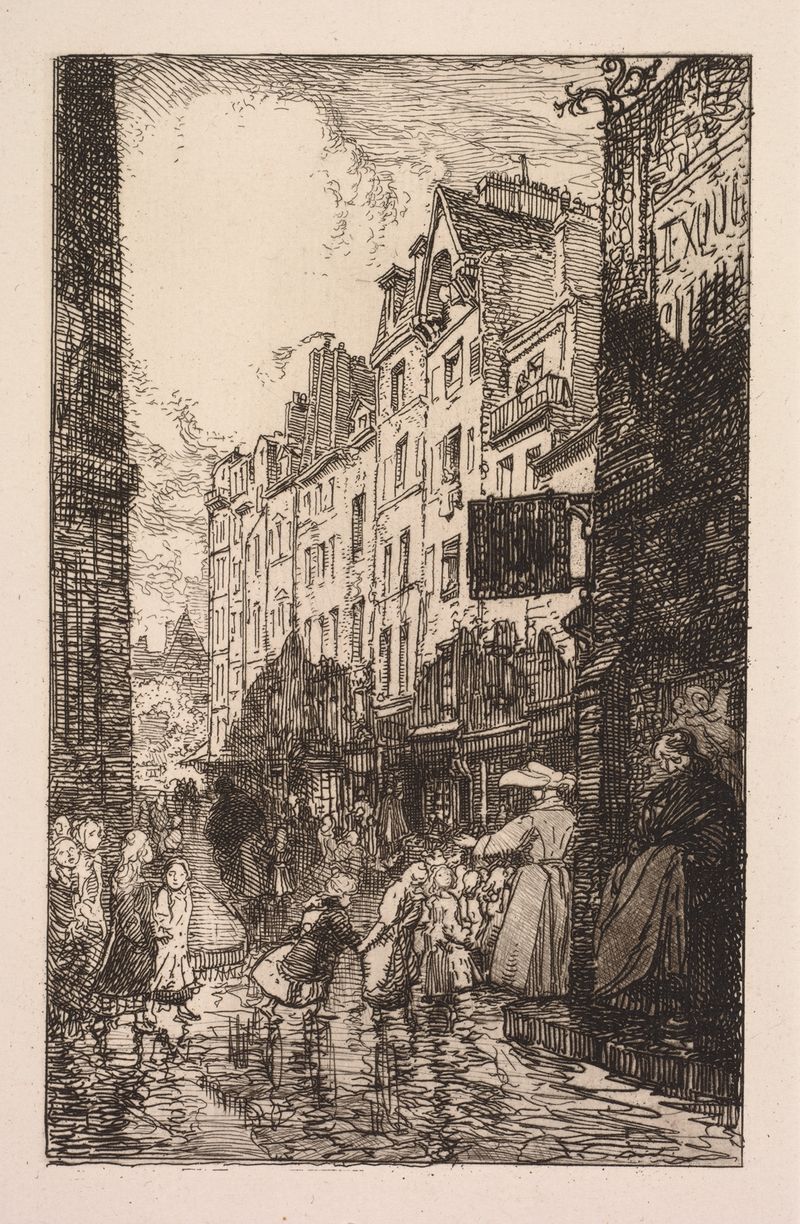
La Rue des Prêtres Saint-Séverin
Auguste Louis Lepère
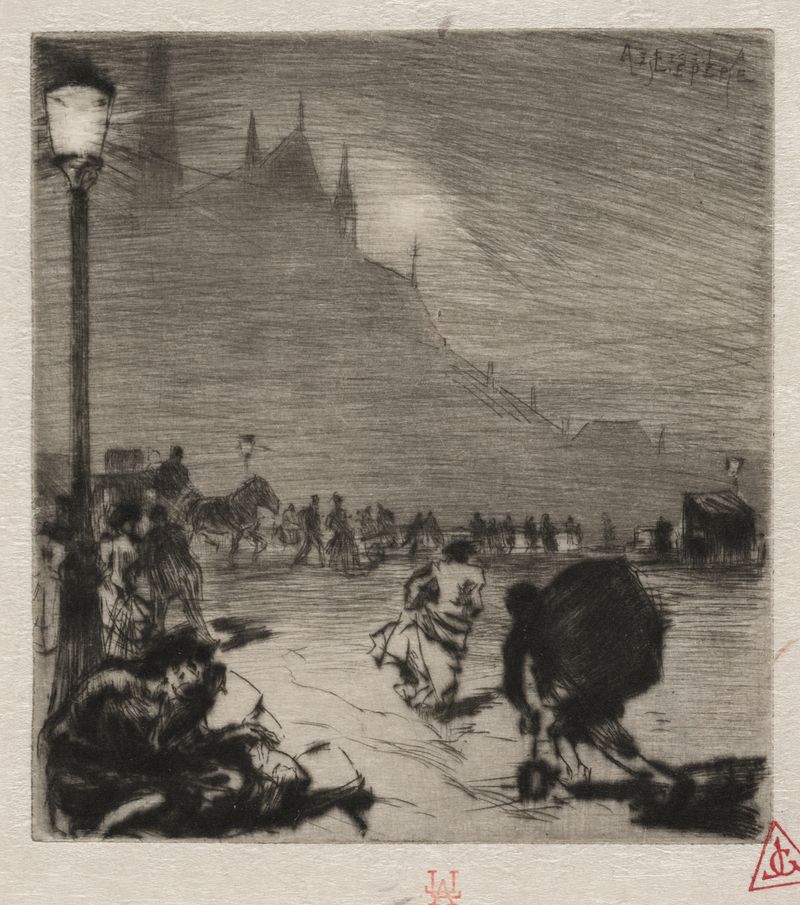
Au Coin du Pont-aux-Doubles
Auguste Louis Lepère
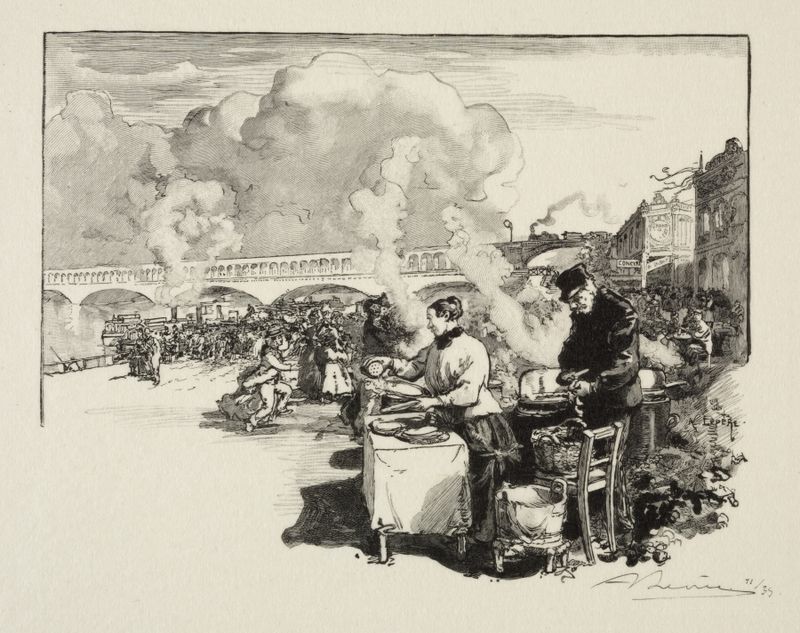
Debarcadère des bateaux-omnibus
Auguste Louis Lepère

La Seine, au quai de la Rapée
Auguste Louis Lepère
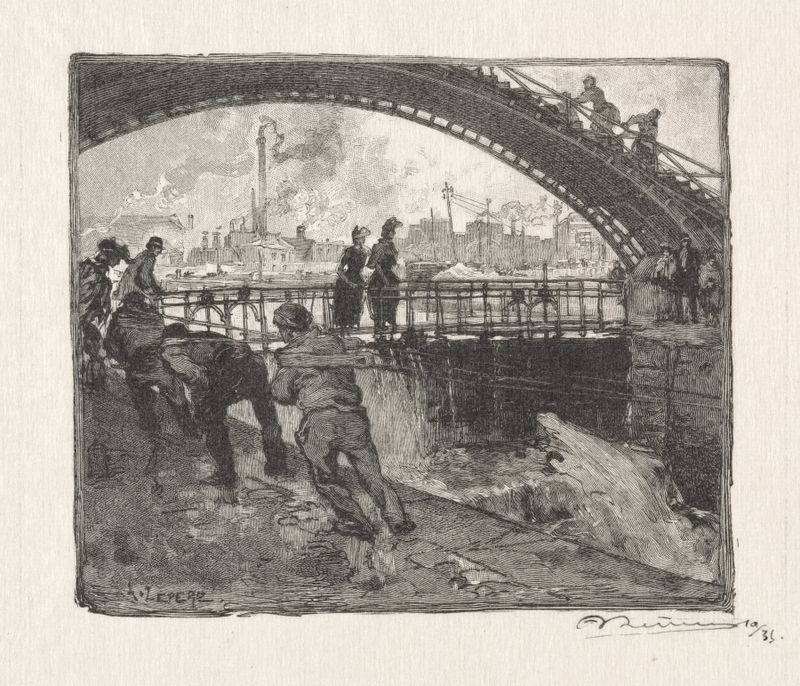
L’Ecluse du Canal St. Martin
Auguste Louis Lepère

Le Boulevard Montmartre, le Soir
Auguste Louis Lepère

Une Chasse au Mont Gérard
Auguste Louis Lepère
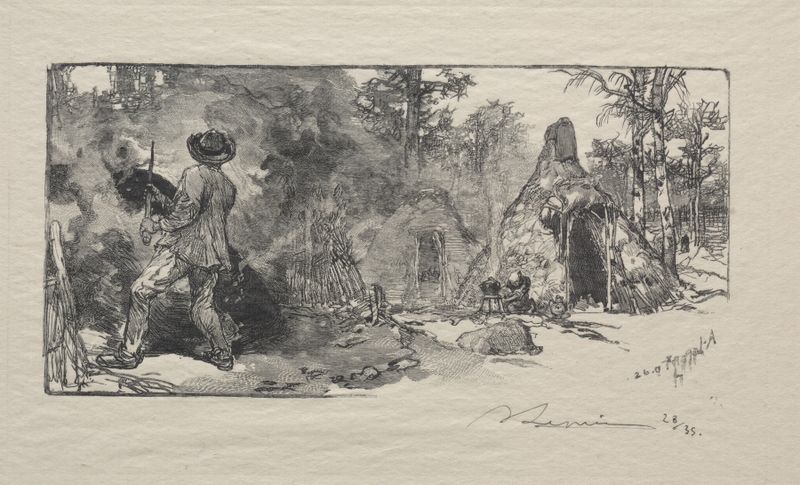
Les Charbonniere
Auguste Louis Lepère
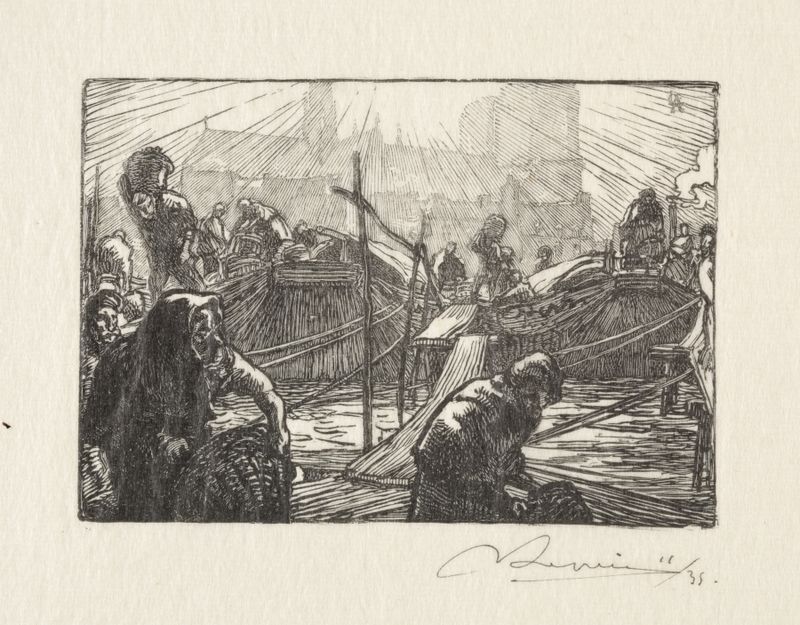
Notre Dame vue du Marché aux pommes
Auguste Louis Lepère

Le Palais des Arts Liberaux, Intèrieur
Auguste Louis Lepère





