
Landscape with covered wagon (Clarkson Stanfield) — History & Facts
Can paint confess what words never could? In Landscape with Covered Wagon, destiny unfolds as the vivid hues of nature intertwine with the human experience of journey and aspiration. Look to the left, where a covered wagon rests beneath a sprawling canopy of vibrant trees. The sunlight dances through the leaves, casting dappled shadows that play upon the dusty ground. The meticulously painted details of the wagon contrast with the lush greenery, drawing your gaze toward the figures at its helm, their postures suggesting both weariness and hope.
The color palette of rich greens and warm earth tones evokes a sense of serenity yet hints at the challenges that lie ahead. As you delve deeper, notice the silhouette of distant mountains that stand like silent guardians, representing both the unknown and the journey's end. The tension between the comfort of nature and the daunting path ahead speaks to a universal longing for belonging and purpose. In the stillness of the landscape, the covered wagon becomes a vessel of dreams, symbolizing not just physical travel but the emotional voyage of life itself. Created in 1850, this piece by Louis Marvy emerged during a time of expansion and exploration in America, mirroring the experiences of countless pioneers.
Marvy, influenced by the Romantic movement, aimed to capture the interplay between nature and humanity, reflecting the spirit of an era characterized by adventure and transformation. The artwork serves as a timeless reminder of the destinies that await those who dare to journey forth.
More Artworks by Louis Marvy
Browse all →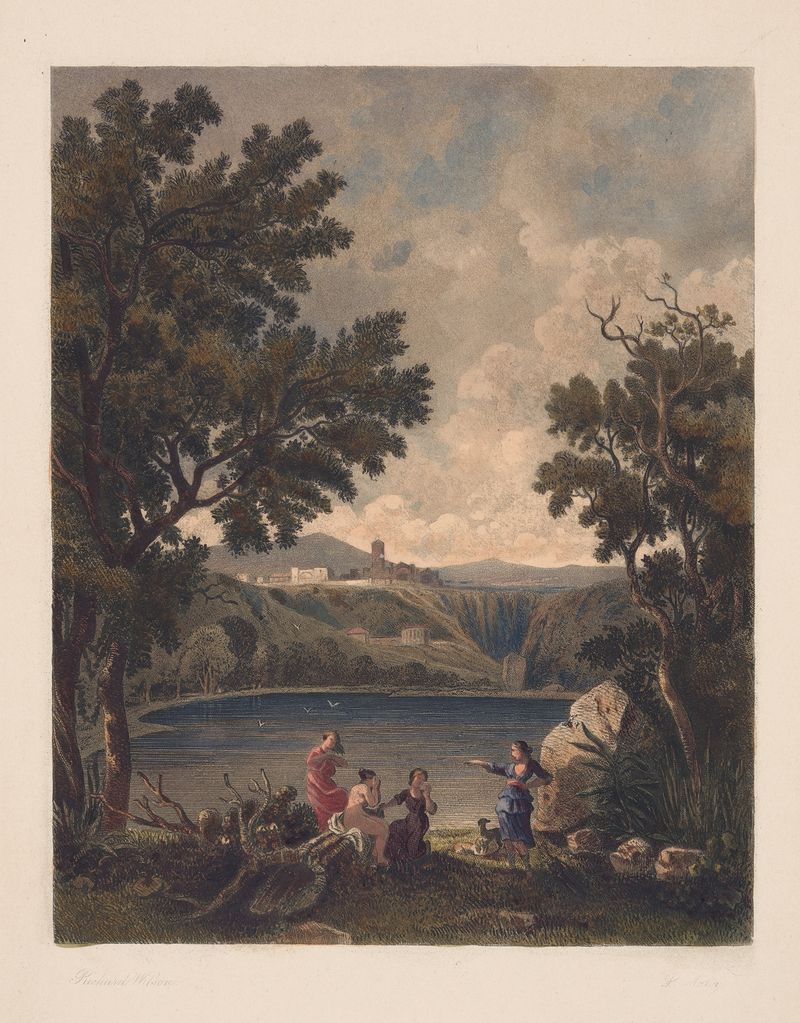
Diana and Callisto (Richard Wilson)
Louis Marvy
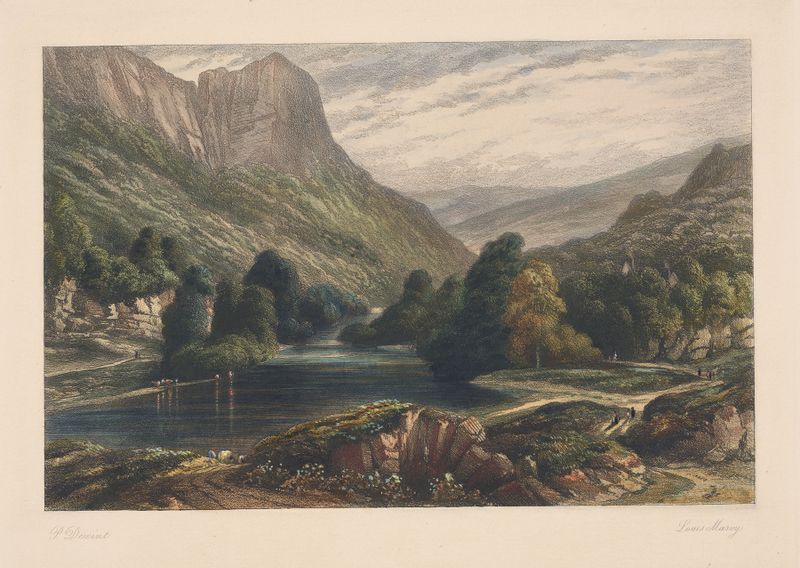
Landscape with mountain lake (Peter DeWint)
Louis Marvy
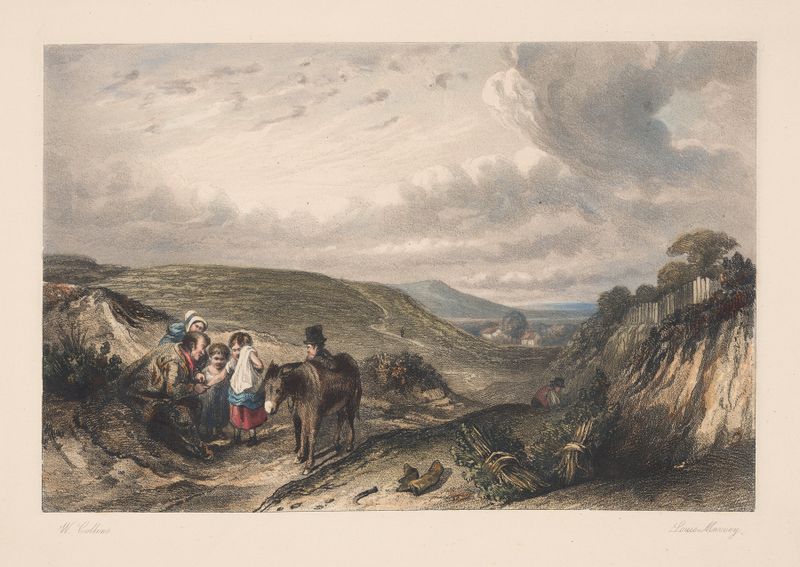
Landscape with woodgatherers (William Collins)
Louis Marvy
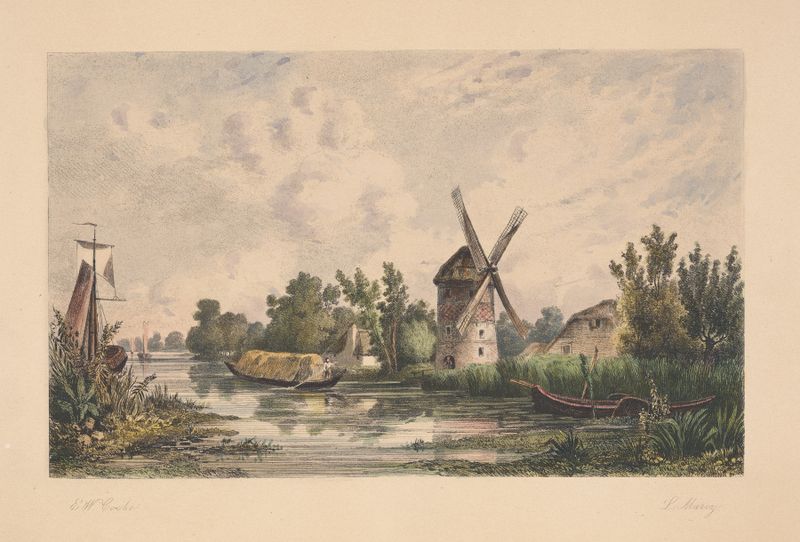
Landscape with windmill (Edward William Cooke)
Louis Marvy
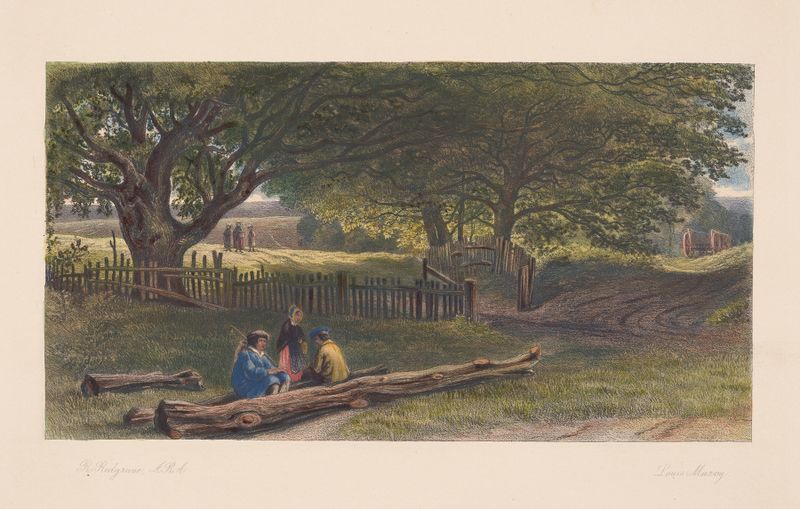
Landscape with gypsies (Richard Redgrave)
Louis Marvy
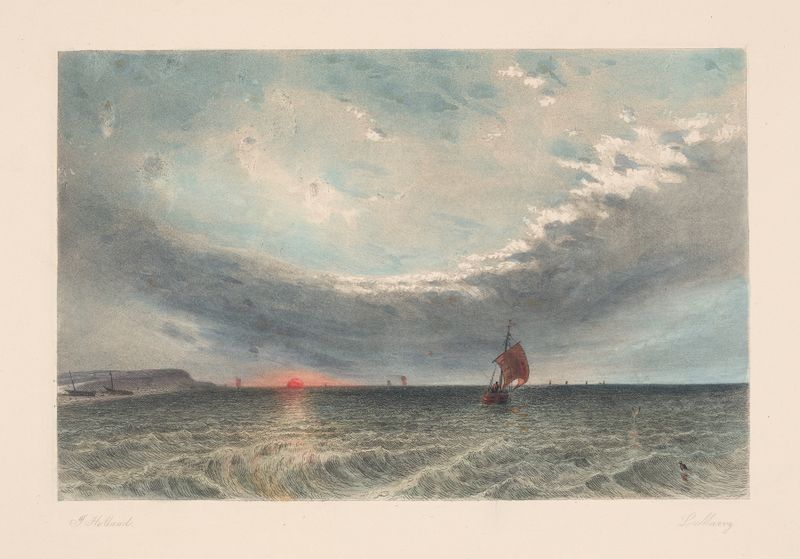
Seascape at sunset (James Holland)
Louis Marvy
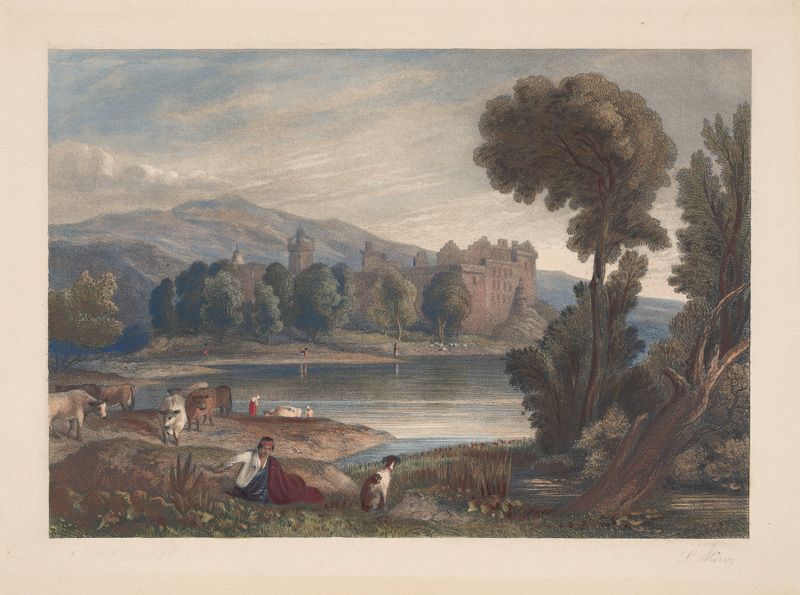
Lakeside castle (Joseph Mallord William Turner)
Louis Marvy
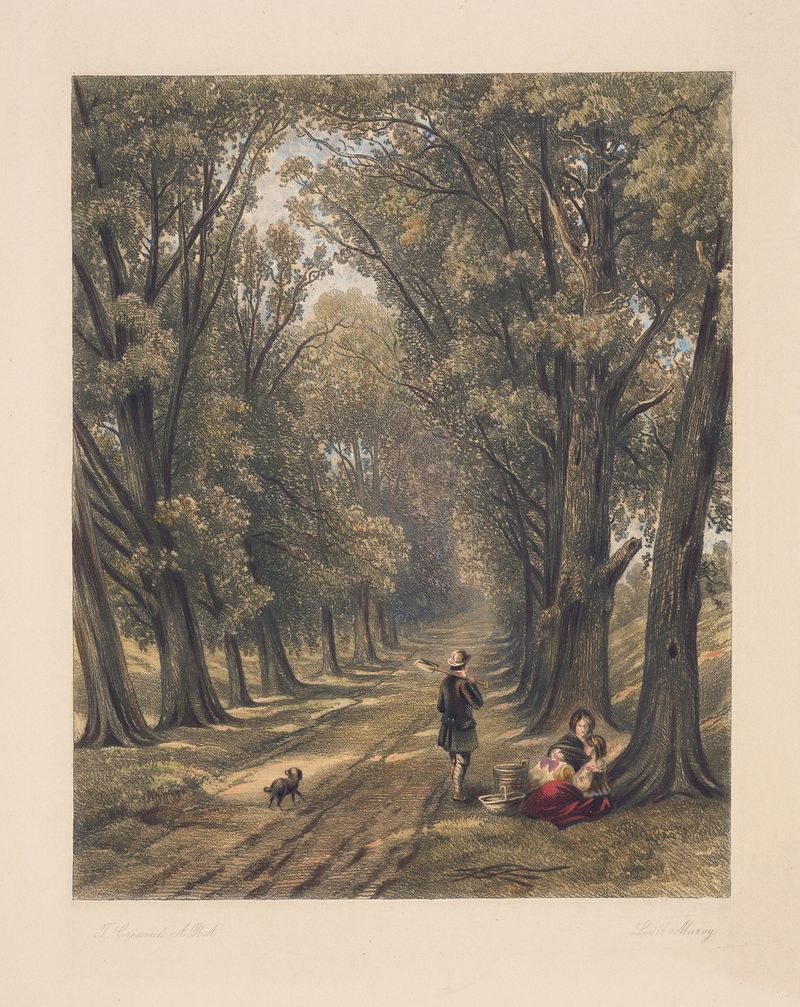
Landscape with tree-lined country road (Thomas Creswick)
Louis Marvy
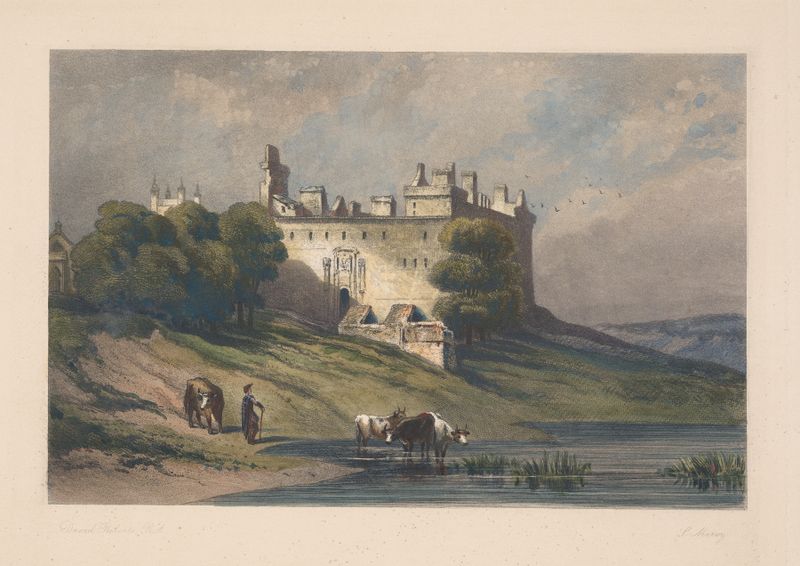
Landscape with cattle near castle (David Roberts)
Louis Marvy
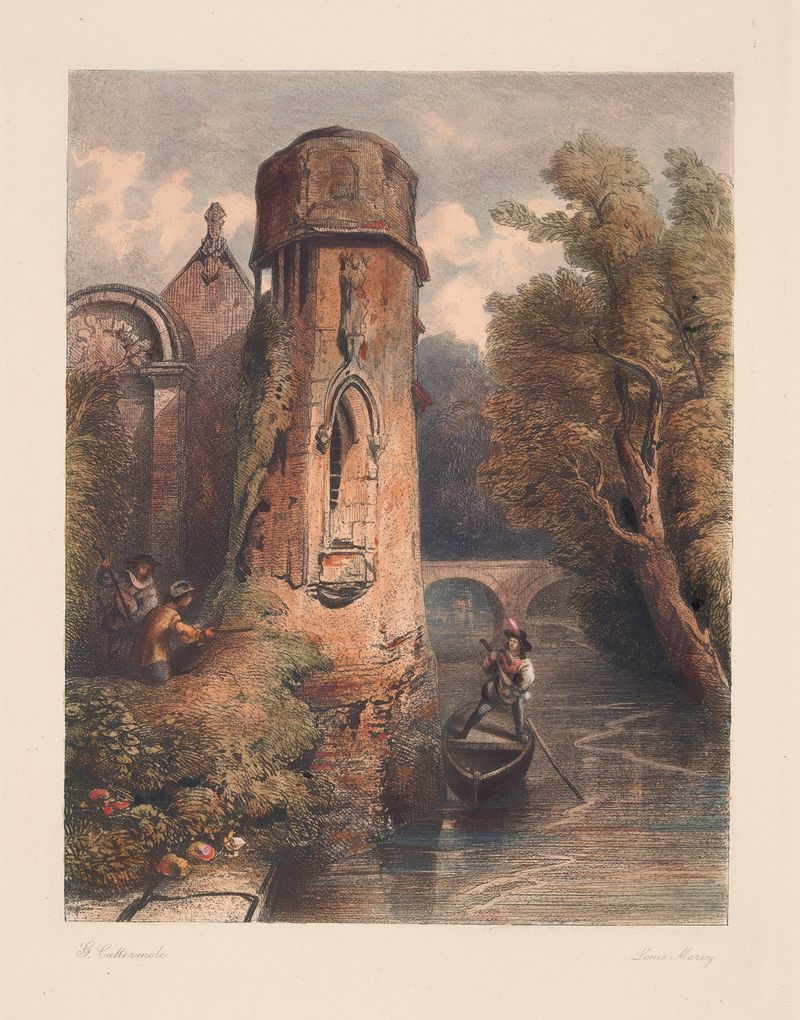
Landscape with man in boat playing lute near moss-covered tower (George Cattermole)
Louis Marvy





