Landscape with Farmstead — History & Facts
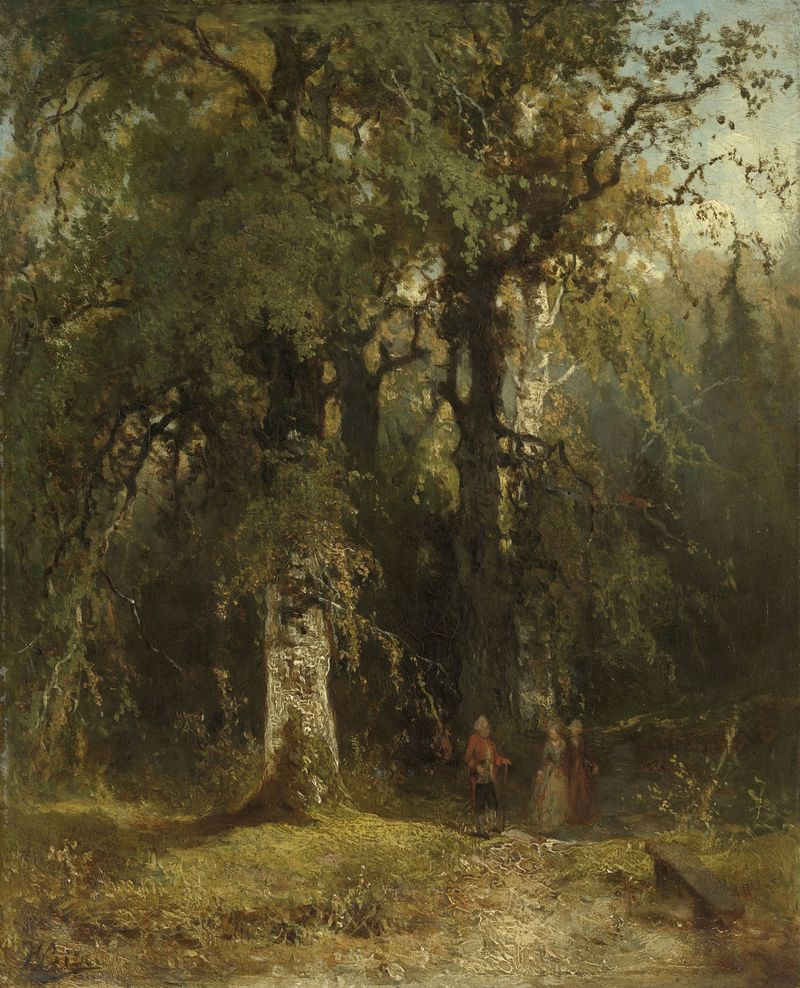
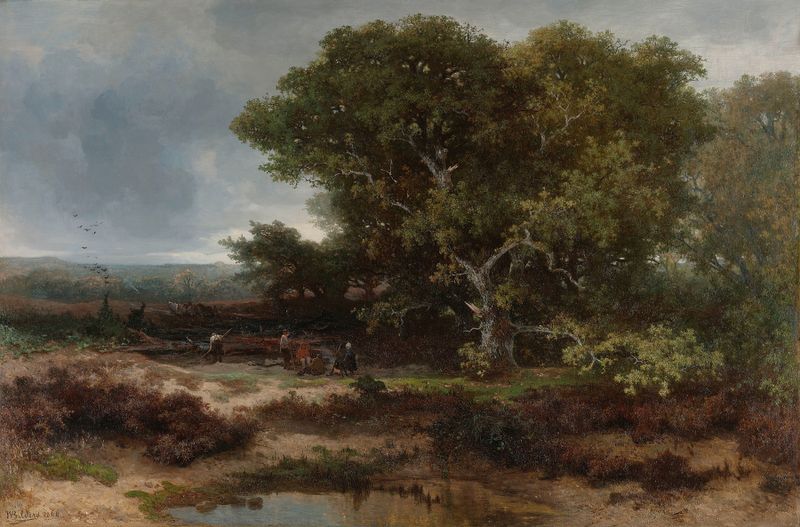
What secret hides in the quiet of the canvas? Amidst the soft whispers of nature, a yearning for connection lingers, beckoning the viewer to step closer into the pastoral embrace. Look to the left at the gentle rise of the hills, where verdant greens meld seamlessly with golden fields, inviting the eye to travel across the landscape. The farmstead, nestled harmoniously at the heart of the scene, captures your gaze with its humble architecture, the light strangely illuminating its façade. Notice how the sun bathes the entire composition in a warm glow, casting elongated shadows that echo the passage of time, while the delicate brushwork conveys a serene, yet palpable sense of nostalgia. Within this tranquil expanse lies an intricate tension between isolation and community.
The solitary farmhouse suggests a retreat from the bustling world, yet its presence hints at stories of lives intertwined with the land, a reminder of human fragility amidst nature’s grandeur. The darkening clouds in the background whisper tales of impending change, an echo of the world outside this peaceful haven, evoking a complex interplay of hope and foreboding. Johannes Wernardus Bilders painted this serene landscape during the mid-19th century, a time when romanticism was on the rise in Europe. Living in the Netherlands, he was influenced by the artistic movement that celebrated nature and emotional response over industrialization.
This period marked a significant transition in art, as artists sought solace and inspiration in the idyllic countryside, capturing fleeting moments that resonate with longing and introspection.