
Landscape with Fields — History & Facts
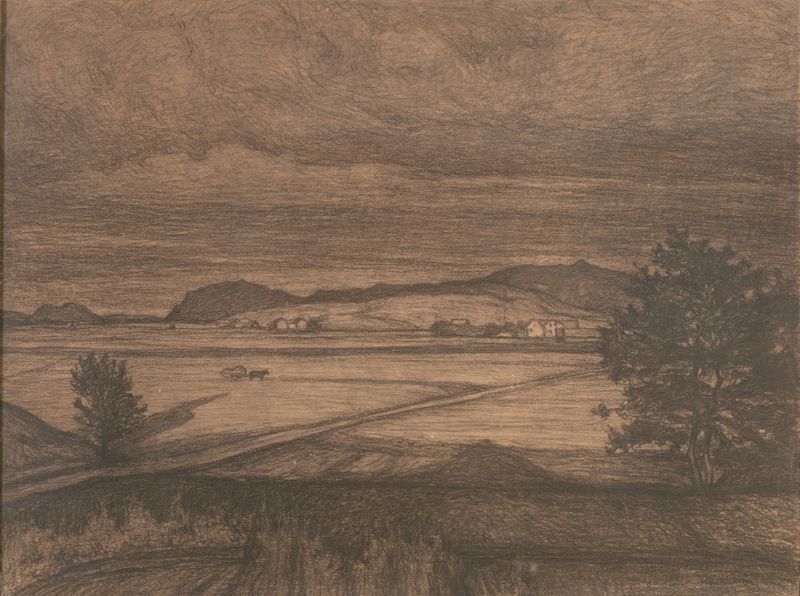
In that pause, nostalgia seeps into the fabric of memory, inviting us to recall moments long past, yet vividly felt. Begin by looking at the horizon, where the sky blushes with soft pastels blending into deeper hues. Notice how the rolling fields undulate beneath the gentle caress of the wind, each brushstroke alive with texture. The artist’s palette—a symphony of greens and golds—invokes a warmth that resonates deeply, drawing the eye seamlessly across the landscape, from the fertile earth to the expansive sky. Yet, amidst this idyllic scene, an undercurrent of melancholy lingers.
The fields, while abundant, hold an air of solitude, suggesting both the beauty of nature and the quiet ache of time's passage. The juxtaposition of lush life against the expansive emptiness of the sky evokes a profound longing, as if the viewer stands at the threshold of memory, yearning for the simplicity of days gone by. Each element in the composition serves not just to depict a landscape, but to reflect the emotional landscape of the soul. In the late 19th century, during a period of personal exploration, the artist, influenced by the burgeoning Impressionist movement, created this piece in Sweden.
The year 1897 was marked by significant artistic evolution, as Nordström sought to capture the fleeting essence of nature, navigating both personal loss and the broader transformations within the art world. His work stands as a testament to an era that embraced the ephemeral, inviting us to reflect on the passage of time within our own lives.
More Artworks by Karl Nordström
Browse all →
Kyrkesund
Karl Nordström
Högadal on Tjörn
Karl Nordström

Scene from Tjörn
Karl Nordström

The Surf
Karl Nordström
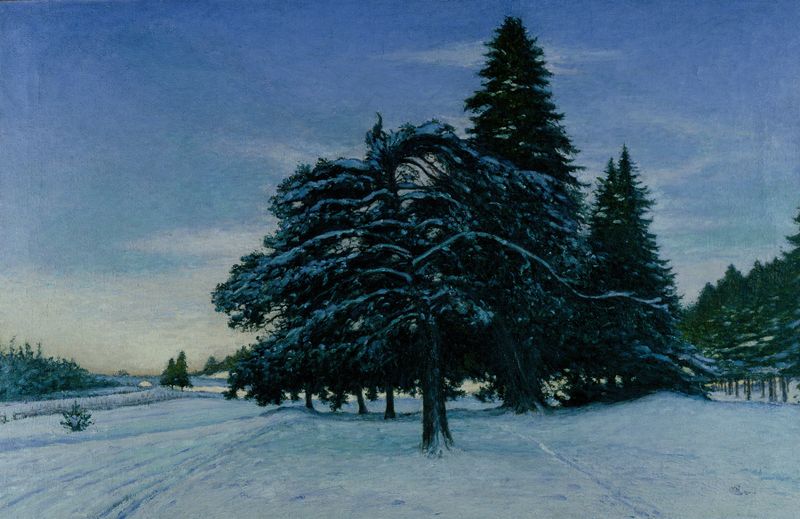
Winter’s Day at Uggleviken
Karl Nordström
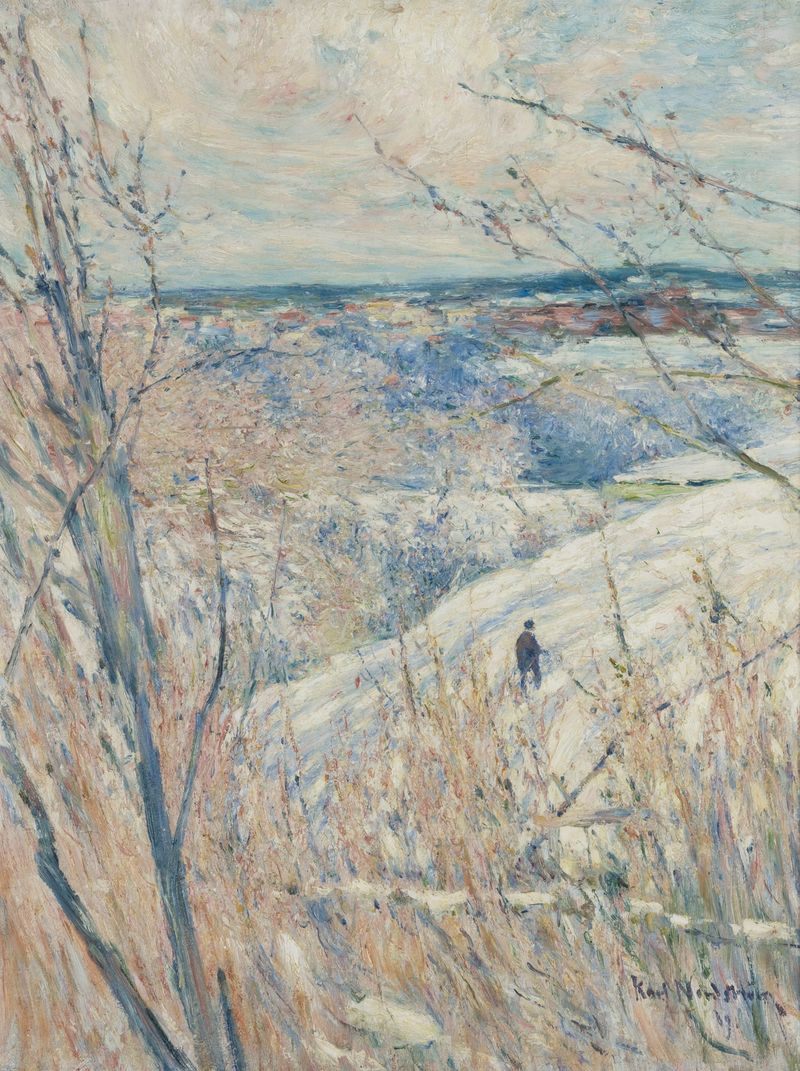
Winter
Karl Nordström

Fishing Boat
Karl Nordström

Hoga Valley, Tjörn
Karl Nordström

Roslag Street, Stockholm
Karl Nordström
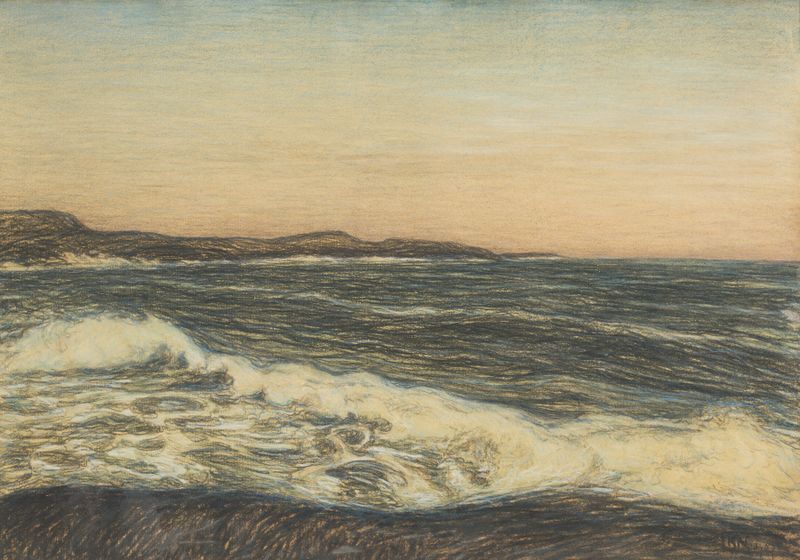
Seashore and Ground-Swell
Karl Nordström





