Landscape with Figures — History & Facts
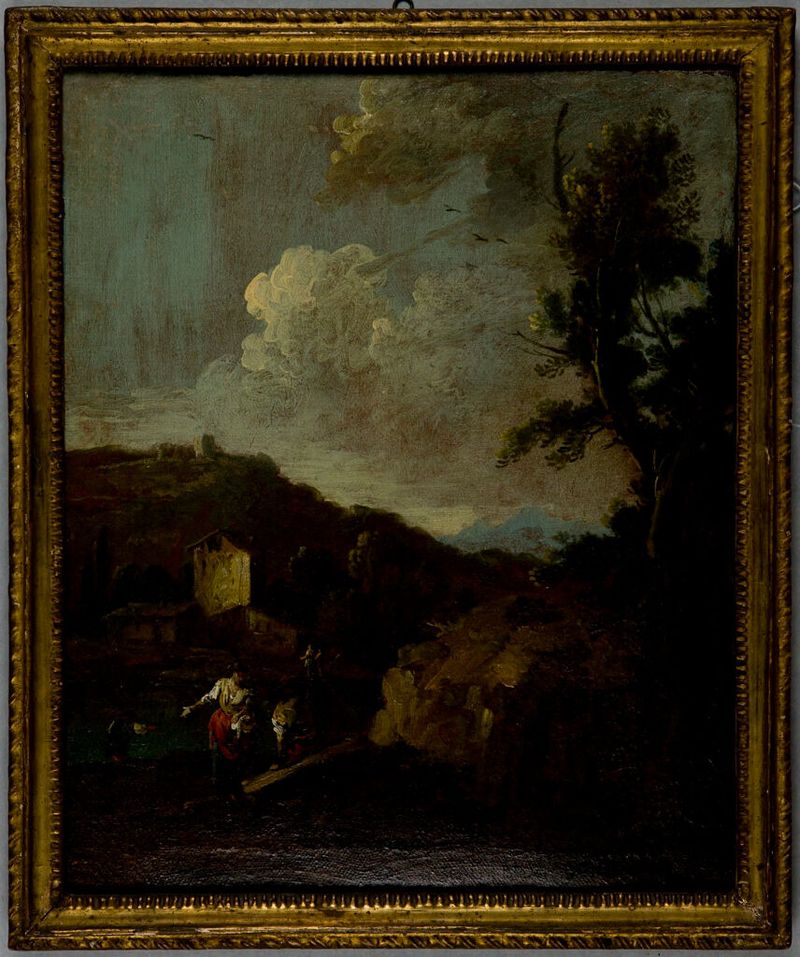
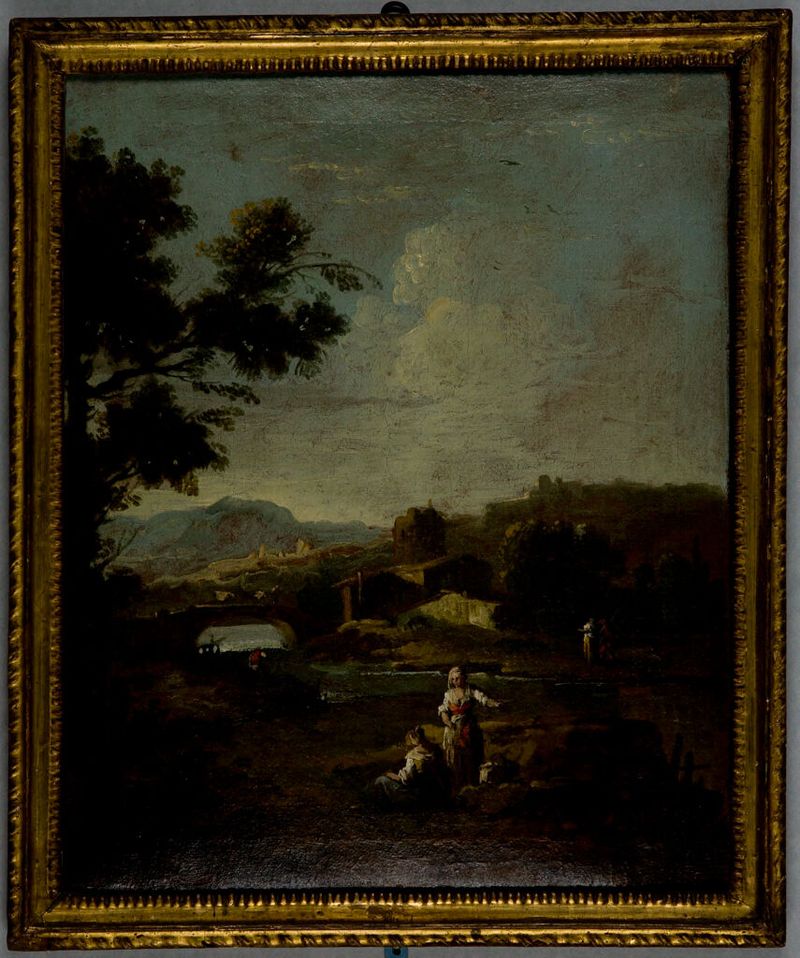
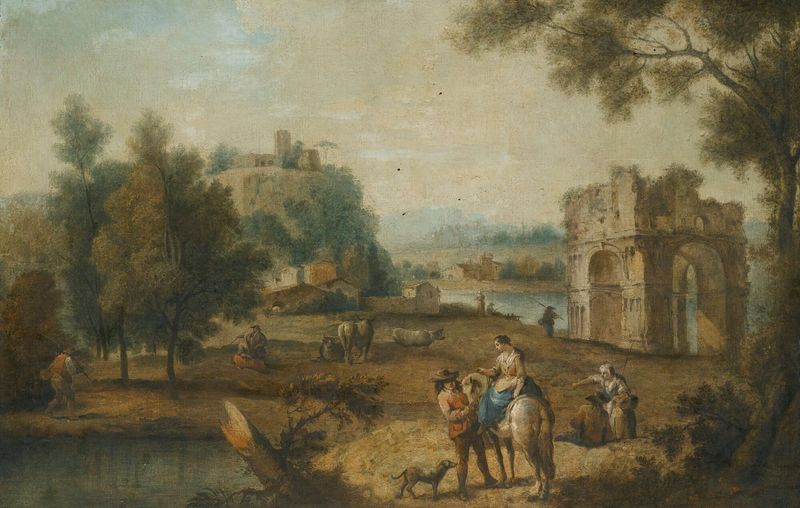
Is this a mirror — or a memory? Within Landscape with Figures, the serene expanse reveals layers of grief interwoven with the beauty of nature, inviting contemplation on the passage of time. Look to the left at the winding path that guides the viewer's eye through the verdant landscape. Here, the brushwork is delicate, yet assertive, creating a vibrant interplay between the lush greens and soft blues of the sky. The figures, seemingly at ease within this tranquil setting, are enveloped in warm light, their gestures hinting at a deeper narrative that dances just beneath the surface. Yet, beneath this idyllic scene lies a poignant tension.
The figures appear contemplative, perhaps lost in thoughts of what was or what could have been, their postures suggesting both connection and solitude. The subtle contrast between the lively countryside and the muted expressions of the characters evokes a bittersweet longing, reminding us that beauty often resides hand-in-hand with sorrow. During the mid-18th century, Giuseppe Zais was painting in a period marked by an increasing appreciation for landscape art, particularly in Italy. This was a time of personal exploration for the artist, who sought to blend nature with human experience.
As he captured these landscapes, Zais was not merely documenting scenery; he was reflecting the complexities of emotion that accompany life’s fleeting joys and inevitable losses.