Landscape with Figures — History & Facts
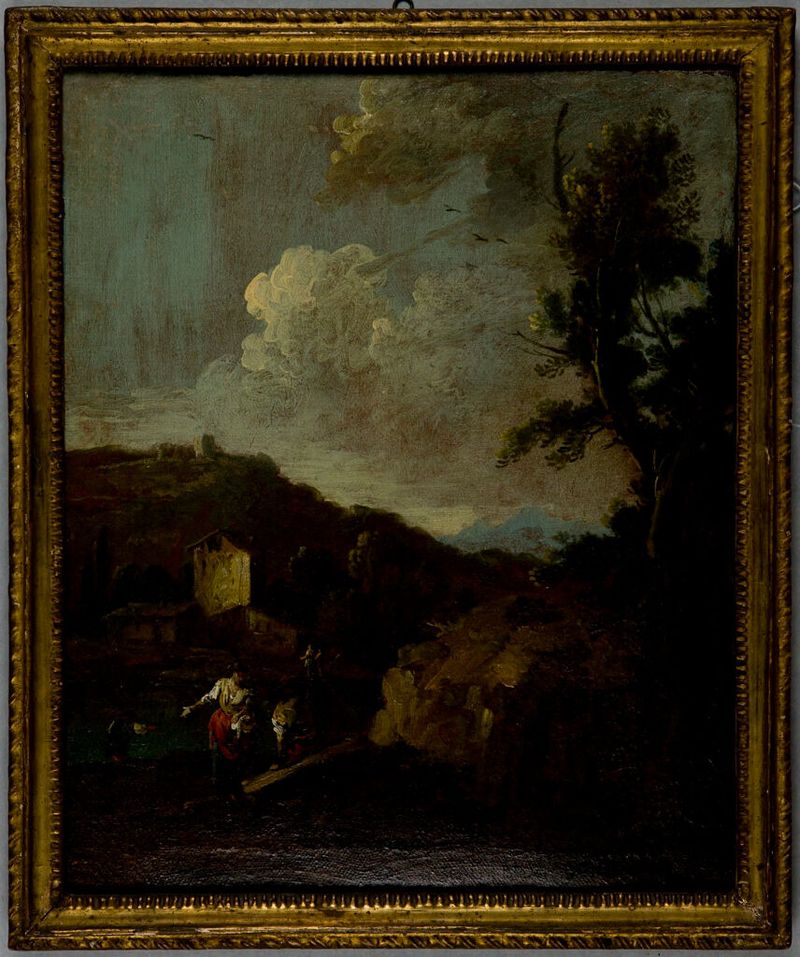
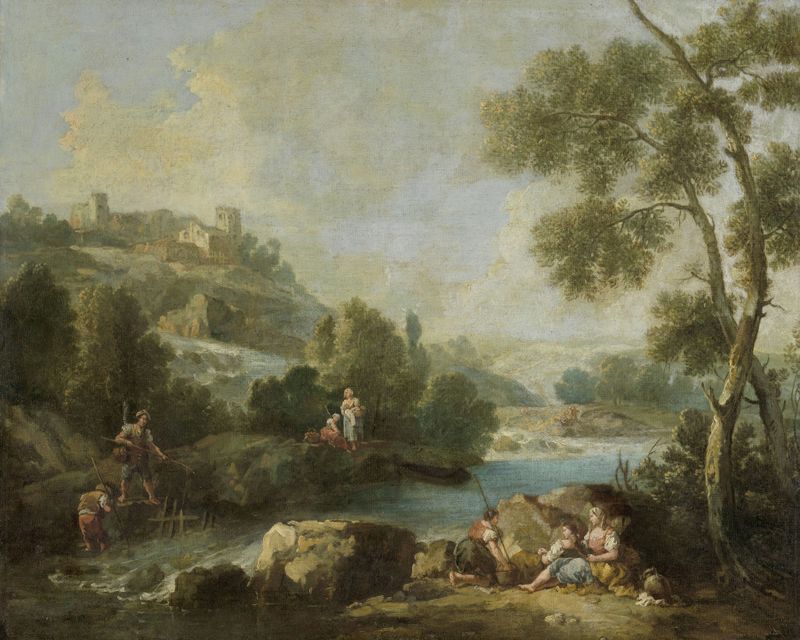
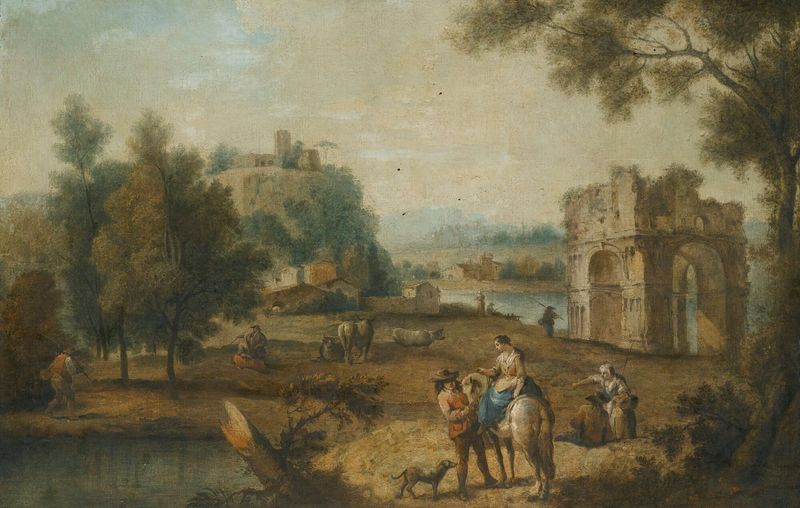
In Landscape with Figures, a world unfolds where memory and nature intertwine in delicate reflections. The juxtaposition of figures against a sweeping landscape invites contemplation on the connections we forge with our surroundings, echoing the rhythms of our lives. Focus your gaze on the serene foreground, where two figures stand engaged in quiet conversation beneath the expansive sky. Notice how the soft, lush greens of the landscape cradle the vibrant earth tones of their clothing.
The light dances across the scene, illuminating the figures while casting shadows that hint at their unspoken thoughts. Zais skillfully uses a harmonious palette to create depth, drawing the viewer into this tranquil moment. Beyond the immediate beauty lies a tapestry of meaning woven into the details. The figures, seemingly at ease, may symbolize the harmony between humanity and nature, while the gentle undulations of the landscape suggest a sense of journey and passage.
The interplay of light and shadow evokes a feeling of fleeting time, as if the viewer is privy to a conversation that teeters on the edge of memory. This nuanced relationship between the figures and their environment raises questions about connection, solitude, and our place in the world. Giuseppe Zais painted Landscape with Figures in the 18th century, a period rich with artistic exploration and the rise of landscape painting in Europe. Working primarily in Venice, Zais was influenced by the romantic ideals of his time, embracing the beauty of nature as a subject worthy of consideration.
As a participant in this artistic movement, his work reflects the transitional nature of the era, where the appreciation for the natural world began to merge with personal introspection.