Ruins and Bridge — History & Facts
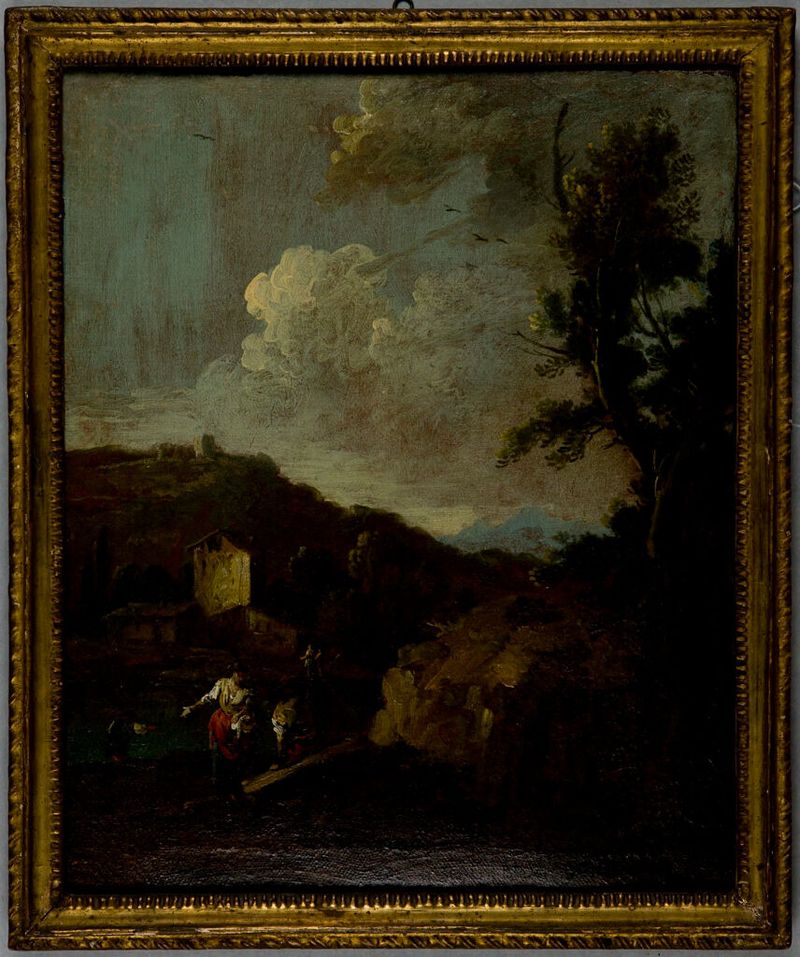
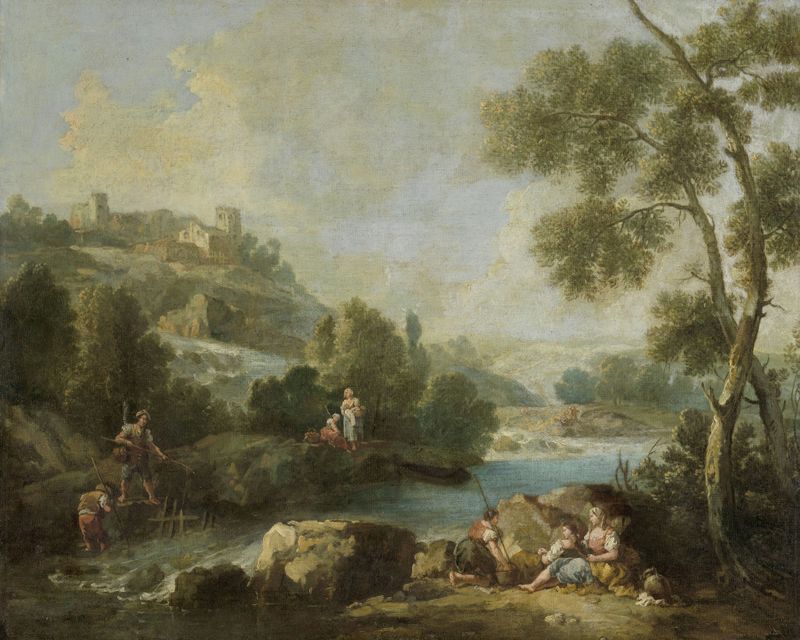
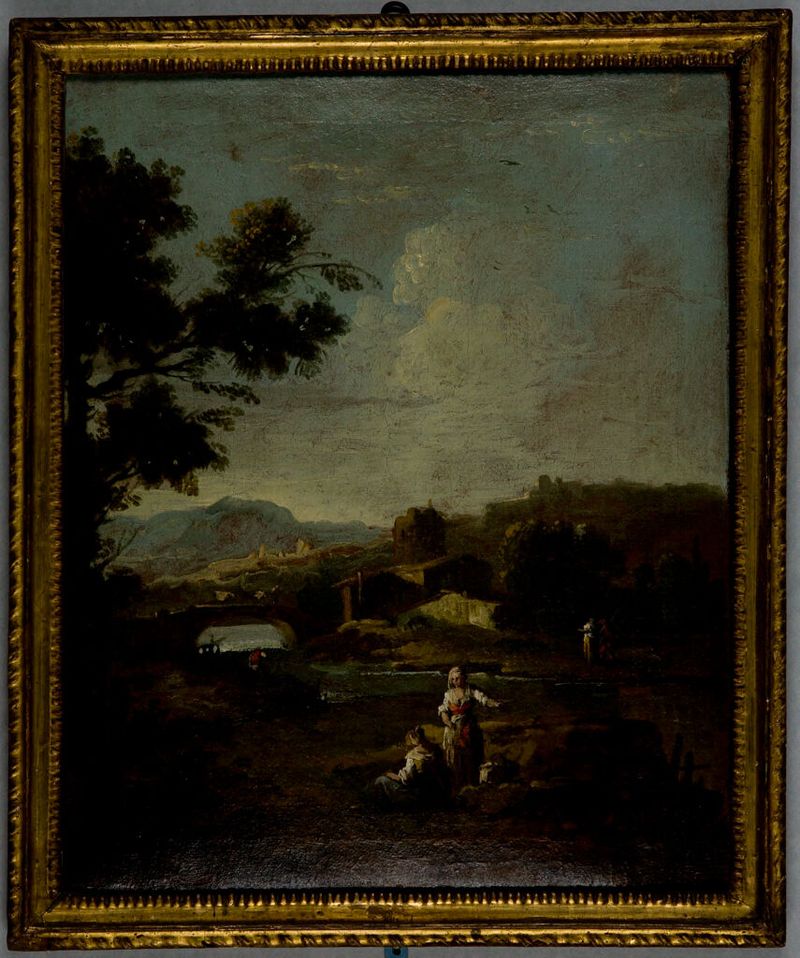
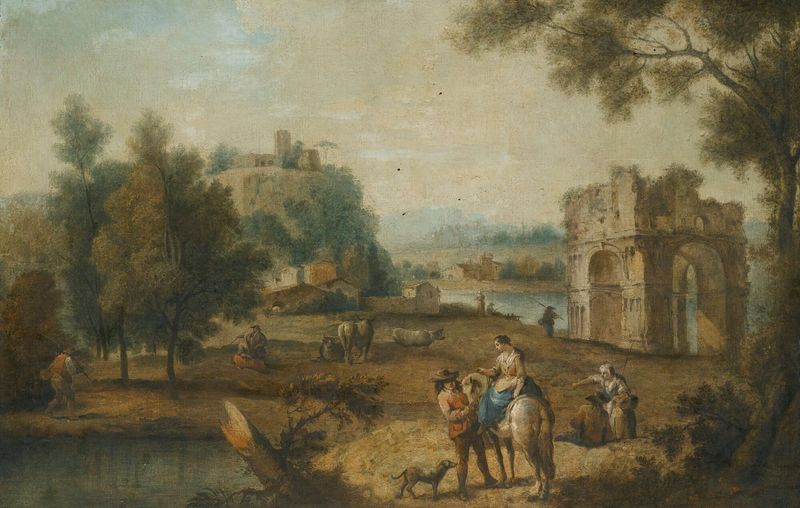
Can beauty exist without sorrow? In the delicate balance of landscapes, one can sense that every illuminated arch holds the weight of forgotten stories and irrevocable destinies. Focus on the intricate ruins to the left, their crumbling stones infused with the warmth of the setting sun. Notice how Zais employs a vibrant palette, with hues of gold and deep green blending harmoniously to breathe life into this once-grand scene. The bridge, elegantly positioned, becomes a focal point where nature and man-made structures intertwine, inviting the viewer to traverse between history and the present moment. Beneath the serene surface lies an emotional tension: the juxtaposition of decay against the vibrant life surrounding it.
The remnants of the past whisper tales of a glorious era, while the lush flora hints at rebirth and resilience. Together, these elements illustrate the duality of existence, where the beauty of the moment is forever tinged with the shadows of what has been lost and what is yet to come. Giuseppe Zais painted this evocative work in 1784, during a period of significant transition in the art world, characterized by the shift from the rococo to neoclassicism. Working in Italy, he found inspiration in the natural beauty of the landscape, which contrasted sharply with the tumultuous socio-political climate of his time.
His exploration of light and mood in Ruins and Bridge reflects the enlightenment ideals of harmony and nature, as he sought to capture the essence of the world around him.