
Landscape with House at the Riverbank — History & Facts
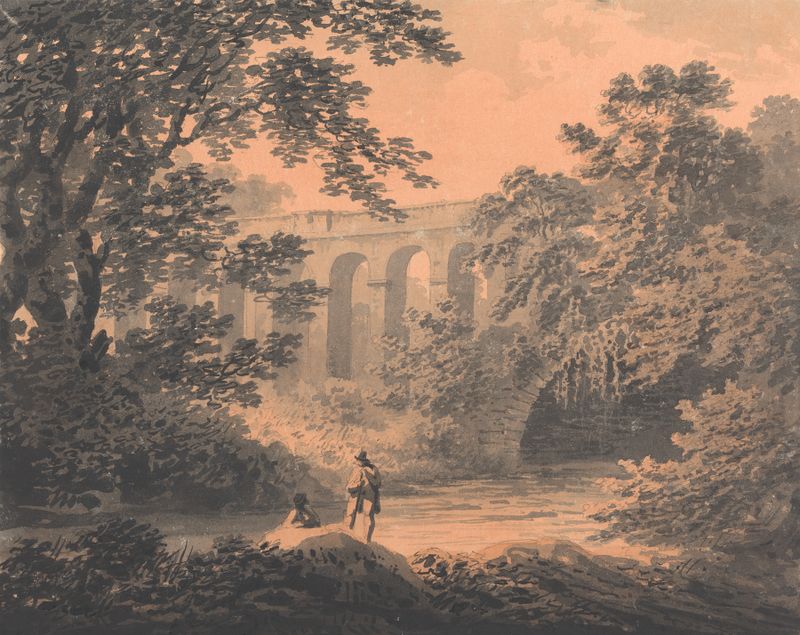
In the stillness of Landscape with House at the Riverbank, a tranquil scene emerges, inviting us to recall the delicate interplay between nature and humanity. Look to the center, where the modest dwelling rests quietly by the water's edge, its soft hues harmonizing with the lush greenery that envelops it. Notice how the light dances across the river's surface, capturing fleeting moments and reflections that seem to whisper secrets of the past. The palette of greens and browns, punctuated by gentle touches of blue, creates a soothing atmosphere, contrasting with the sharp edges of the architecture, which stands as a testament to human resilience amid nature's embrace. This artwork unfolds a narrative of coexistence, where the house symbolizes stability while the flowing river suggests transience.
The subtle variations in light and shadow evoke a sense of time slipping away, encapsulating the tension between permanence and the inevitable passage of days. Each brushstroke carries the weight of memory, inviting contemplation about what we choose to hold onto and what we are destined to let go. William Gilpin created this piece in England between 1762 and 1783, during a period marked by a growing appreciation for landscape painting. As a pioneer of the picturesque movement, Gilpin sought to capture the beauty of the natural world, influenced by the shifting attitudes towards nature and the emerging Romantic sensibilities of his time.
This work reflects his commitment to exploring the relationship between landscape and the human experience.
More Artworks by William Gilpin
Browse all →
Bridgnorth Bridge, Shropshire
William Gilpin
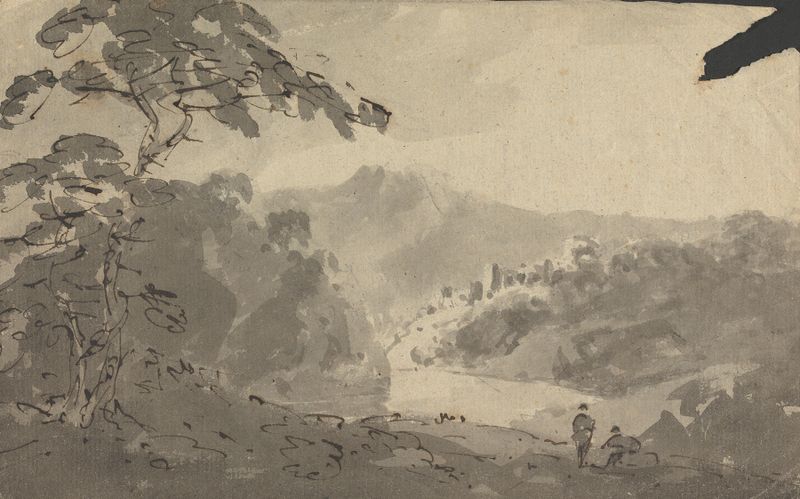
Two Men Looking Into Landscape with Castle, River and Mountain Scene
William Gilpin
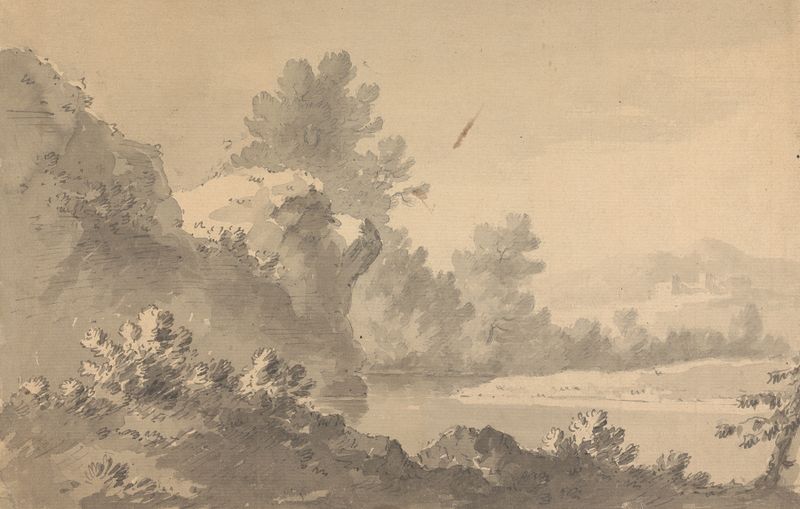
River Landscape with Castle in the Distance
William Gilpin
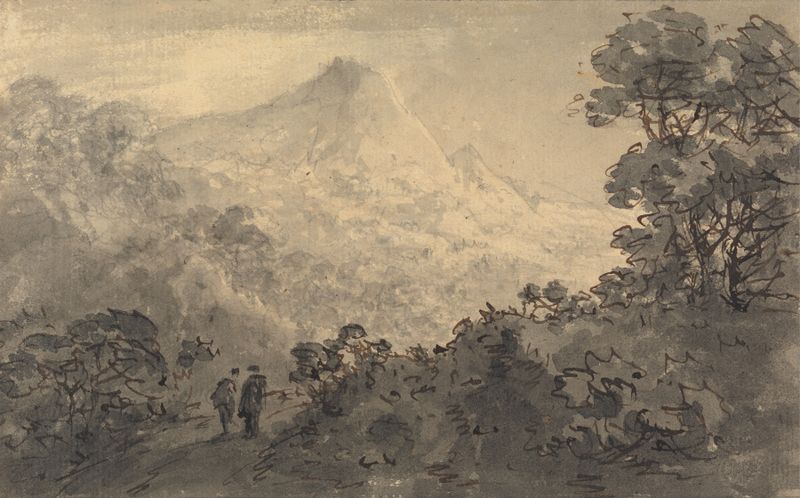
Snowdon
William Gilpin

Hilly Landscape
William Gilpin
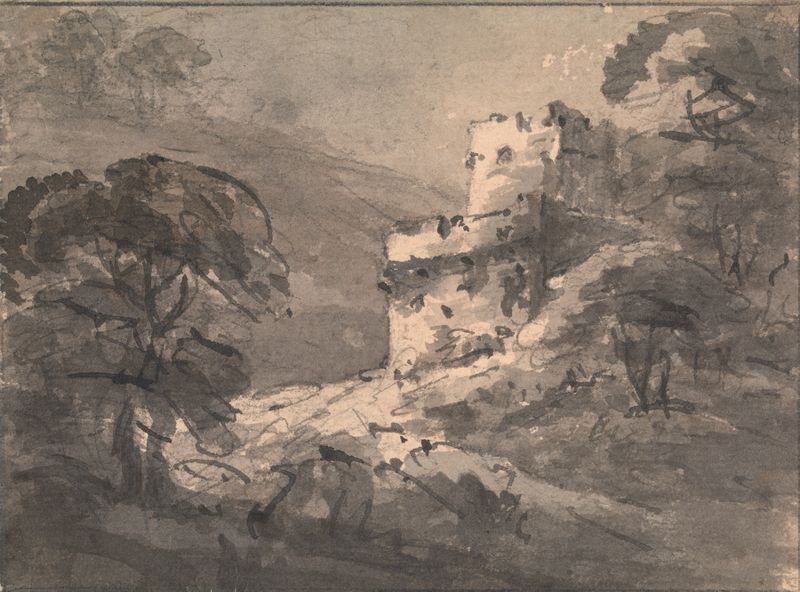
Landscape with a Ruined Castle on the Right
William Gilpin

Mountainous Landscape with Trees – High Crags to the Right
William Gilpin

View of Castle Ruin
William Gilpin
Bridge on the Malton Road from York
William Gilpin

Landscape with Two Trees and Castle
William Gilpin





