
Landscape with Large Cruciform — History & Facts
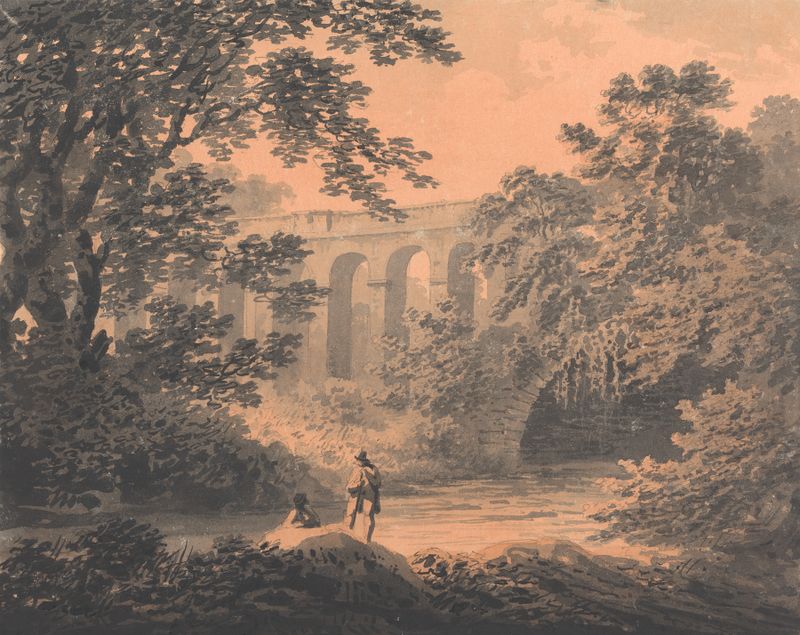
When did color learn to lie? The palette of this remarkable work evokes a fevered sense of ecstasy, pulling the viewer into a realm where nature transcends mere representation. Look to the center of the canvas, where a large cruciform structure dominates the landscape. Its bold, dark form cuts through the soft hues of a twilight sky, blending deep blues and muted golds. Notice how the brushstrokes convey a tumultuous energy, swirling around the cruciform like the wind urging the clouds to dance.
Gilpin's deliberate contrasts between light and shadow create an almost spiritual interplay, inviting reflection on the tension between the sacred and the earthly. Deeper layers reveal the emotional complexity at play. The cruciform, a symbol of faith, stands stark against the wildness of the surrounding landscape, suggesting a struggle between human constructs and the untamed beauty of nature. The vibrant colors pulse with life, hinting at moments of joy and despair woven into the very fabric of the scene.
Every detail, from the lush greenery to the dramatic sky, reinforces the idea that ecstasy is found not just in tranquility, but in the chaos of existence. In 1769, during his time in the picturesque English countryside, the painter captured this scene amidst a burgeoning appreciation for landscapes in the art world. It was an era where artists began to explore the expressive potential of color and composition, breaking away from strict realism. Gilpin, both a landscape artist and an influential theorist, was at the forefront of this movement, advocating for art that engaged with the emotional resonance of nature, reflecting the tumultuous yet thrilling spirit of his time.
More Artworks by William Gilpin
Browse all →
Bridgnorth Bridge, Shropshire
William Gilpin
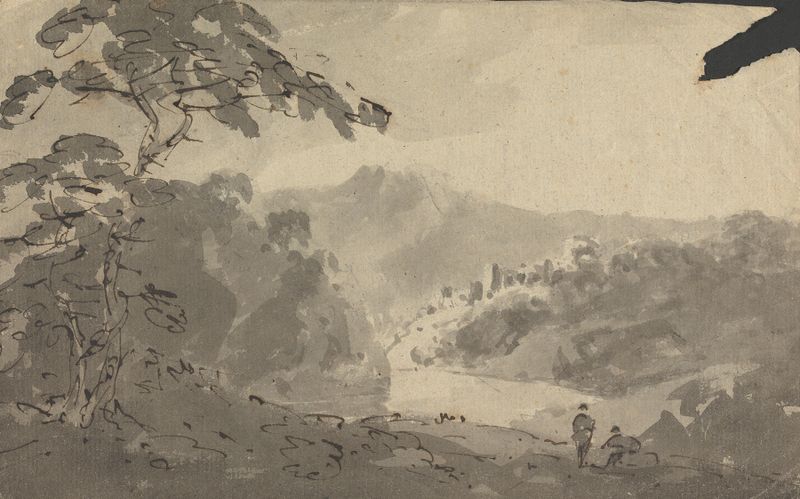
Two Men Looking Into Landscape with Castle, River and Mountain Scene
William Gilpin
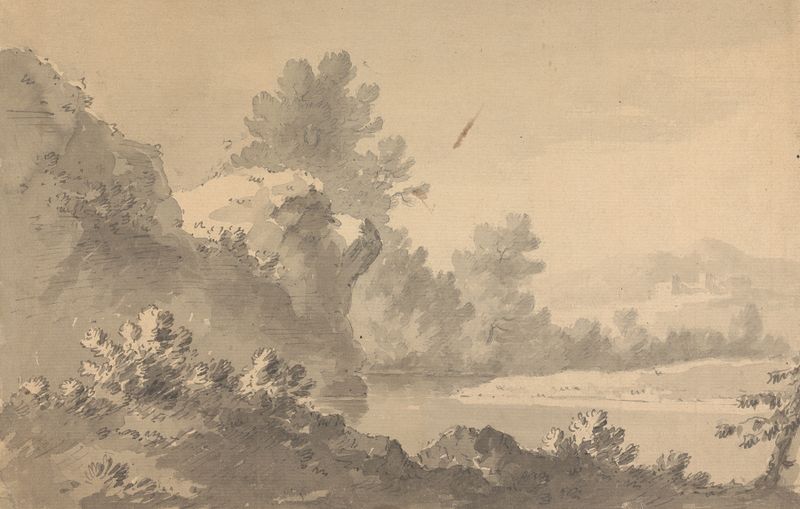
River Landscape with Castle in the Distance
William Gilpin
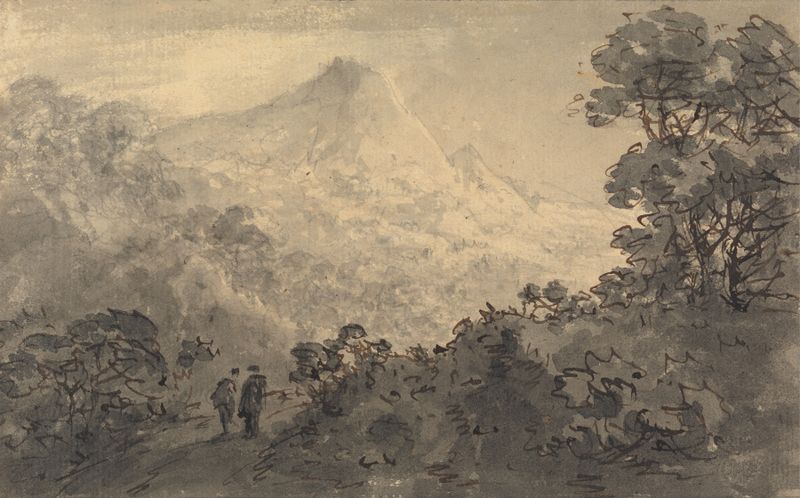
Snowdon
William Gilpin

Hilly Landscape
William Gilpin
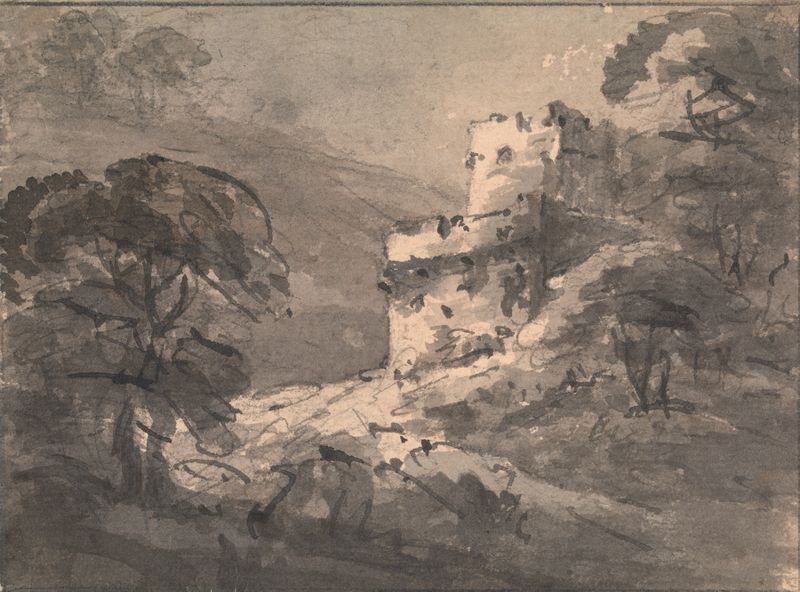
Landscape with a Ruined Castle on the Right
William Gilpin

Mountainous Landscape with Trees – High Crags to the Right
William Gilpin

View of Castle Ruin
William Gilpin
Bridge on the Malton Road from York
William Gilpin

Landscape with Two Trees and Castle
William Gilpin





