
Landscape with Mountain in Center Distance — History & Facts
Could beauty survive in a century of chaos? In the heart of turmoil, nature stands as a testament to memory, an enduring refuge amidst the clamor of human existence. Look to the center of the canvas where the mountain rises majestically, its craggy peaks etched against a soft, luminous sky. The painter’s delicate brushwork captures the varying hues of the landscape, from rich greens to muted browns, creating a harmonious balance that draws the eye. Notice how the light dances over the surfaces, revealing the textures of the earth while casting long shadows that invite contemplation.
This serene vista encourages a pause, a moment to reflect on the stillness that lies within nature's grandeur. Hidden within this bucolic scene are layers of emotional tension; the mountain, both a symbol of permanence and isolation, stands resilient against the passage of time. The gentle undulations of the foreground suggest the transient nature of human life, in contrast to the steadfastness of the natural world. Gilpin’s composition speaks to a yearning for connection with the past, a longing for the simplicity and beauty that memory holds amidst life’s uncertainties. Between 1745 and 1748, the artist created this work during a period of profound change in Britain and the broader art world.
The rise of the Romantic movement was beginning to shape artistic expression, emphasizing the beauty of nature and individual experience. Gilpin, a pioneer in landscape painting, sought to capture the sublime essence of his surroundings as he balanced his role as an artist and an advocate for the appreciation of the English countryside.
More Artworks by William Gilpin
Browse all →
Bridgnorth Bridge, Shropshire
William Gilpin
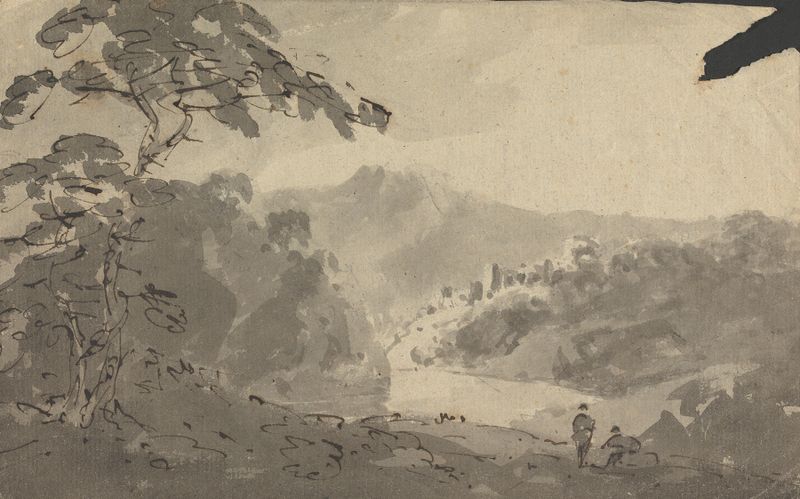
Two Men Looking Into Landscape with Castle, River and Mountain Scene
William Gilpin
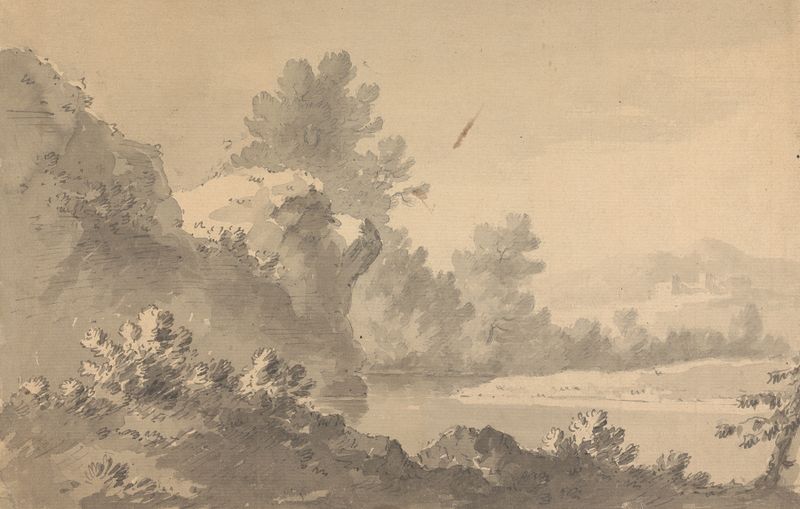
River Landscape with Castle in the Distance
William Gilpin
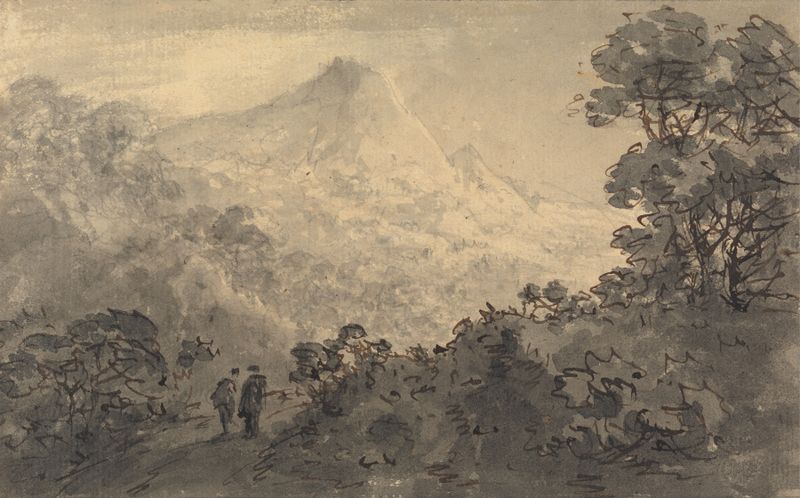
Snowdon
William Gilpin

Hilly Landscape
William Gilpin
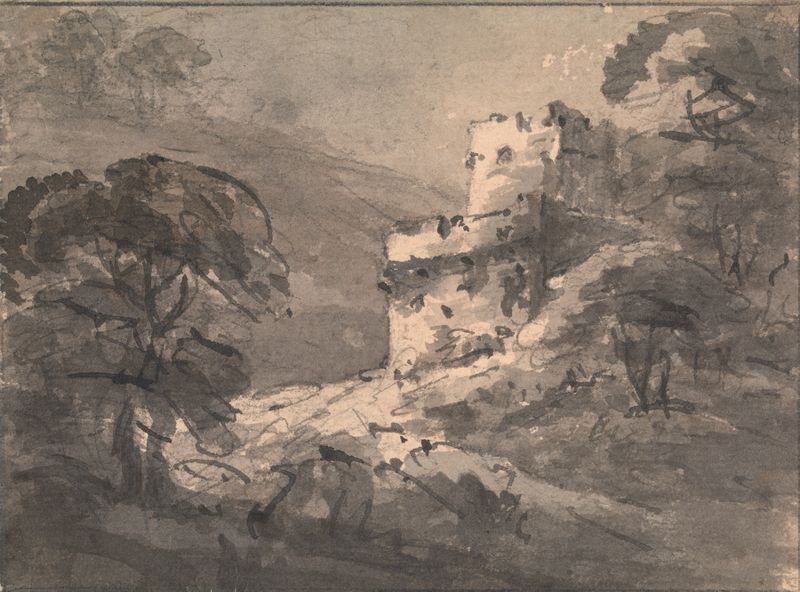
Landscape with a Ruined Castle on the Right
William Gilpin

Mountainous Landscape with Trees – High Crags to the Right
William Gilpin

View of Castle Ruin
William Gilpin
Bridge on the Malton Road from York
William Gilpin

Landscape with Two Trees and Castle
William Gilpin





