Landscape with Mountains — History & Facts
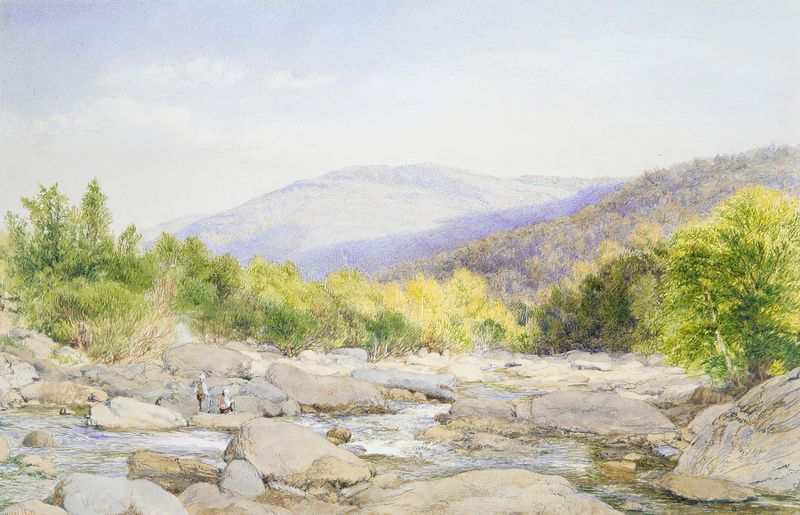
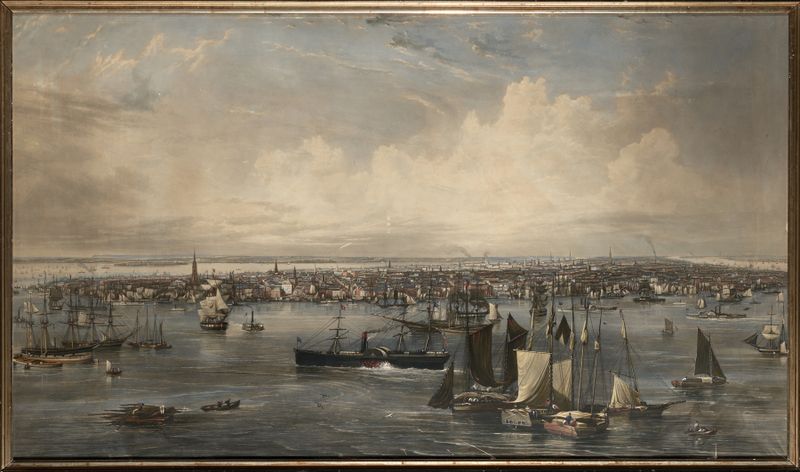
What if beauty was never meant to be finished? In a world where impermanence reigns, every fleeting moment captures the heart, yet leaves it aching for more. Look to the left at the rugged contours of the mountains rising majestically against the sky. The artist employs a delicate palette of greens and blues, harmonizing the earth with ethereal clouds that seem to drift in a timeless dance. Notice how the light bathes the peaks, lending them an almost celestial quality, while the valleys below are enveloped in a soft, shadowy embrace.
Each brushstroke speaks of a careful hand, capturing not just a landscape but the very essence of nature's majesty. Yet, beneath this serene façade lies an undercurrent of tension. The juxtaposition of sharp, jagged mountains against the gentle undulations of the land evokes an inherent struggle—beauty wrestled from the raw, untamed wilderness. The distant peaks, though breathtaking, remind us of our fragility in the face of nature's grandeur, symbolizing the betrayal of human hubris against the relentless expanse of the wild.
Each element whispers of the transient nature of existence, reminding viewers of paths left unexplored and dreams forever out of reach. Created in a time when Romanticism was giving way to a new understanding of nature and self, the artist found inspiration in the untouched wilderness surrounding him. As the world began to industrialize, landscapes such as this served as a poignant reminder of what was at stake—an echo of untamed beauty that might soon be rendered obsolete. In his work, Hill captures not only a scene but a sentiment, urging us to reflect on both nature's splendor and our role within it.