Landscape with Path in the Woods — History & Facts
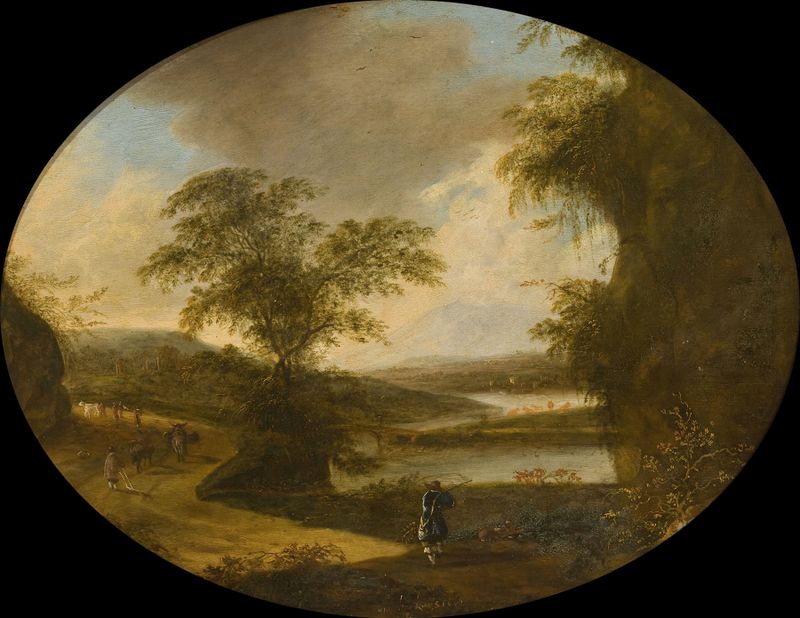
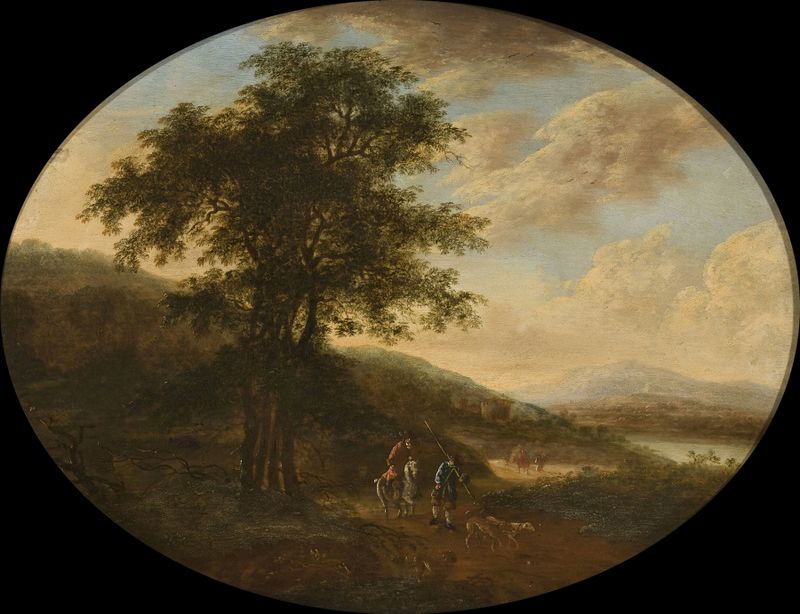
What if silence could speak through light? In Landscape with Path in the Woods, a serene woodland scene whispers transformation, beckoning viewers to explore the subtle shifts between shadow and illumination. Look to the center where a winding path invites you deeper into the depths of the forest. Notice how the dappled light filters through the canopy, casting a mosaic of bright and dark patches upon the ground. The lush greens of the foliage contrast beautifully with hints of warm browns and golden hues, creating a tapestry that pulsates with life.
Every brushstroke reveals a deliberate placement, leading the eye along the path, suggesting a journey not just through the woods, but also within oneself. Delve into the interplay of light and shadow as it hints at the passage of time. The gentle merging of colors at the horizon evokes a sense of nostalgia while also promising the possibility of new beginnings. The path, winding and uncertain, symbolizes life’s constant evolution—a reminder that every step taken in nature is also a step towards personal growth.
Small, delicate details, such as the subtle hint of fog or the scattered leaves, reinforce the idea of transformation that resonates throughout the scene. Ottomar Hackius created this piece during a period of artistic exploration, likely in the late 19th century, when romanticism in landscape painting was at its peak. Living in Germany, he was influenced by the changing attitudes toward nature and the emotional depth it could convey. The focus on the serene beauty of the woods speaks to the larger movement of the time, which sought to connect the viewer with both the natural world and their own inner landscape.