
Landscape with rocks from the vicinity of Mzurów — History & Facts
What secret hides in the quiet of the canvas? Each brushstroke becomes a whisper of loss, enveloping the viewer in a profound stillness that resonates with the heart. Look to the center, where a rocky outcrop juts into the scene, its weathered surface illuminated by a soft, golden light. The earth tones—rich browns and muted greens—create a harmonious blend that feels both alive and somber. Notice how the artist employs delicate layering to convey depth; the foreground rocks stand stark and defined, while the background melts into a hazy horizon, suggesting an eternal distance.
This juxtaposition invites reflection, as if time itself is suspended, urging us to look deeper. The emotional weight of this piece lies in its contrasts. The ruggedness of the rocks exudes strength, yet their placement in the vast landscape evokes a sense of isolation. This duality mirrors the artist’s own experience of grief, where beauty coexists with sorrow.
Subtle details, like the scattered patches of moss, hint at resilience, while the gentle gradient of the sky suggests the quiet passage of time, underscoring the transient nature of life and memory. In 1867, while living in Poland, Głębocki captured Landscape with rocks from the vicinity of Mzurów during a period marked by personal challenges and a growing fascination with the natural world. Influenced by the Romantic movement, he sought to reflect human emotion through landscape, striving to find solace in nature’s stillness amidst the chaos of life. This work stands as a testament to his artistic journey and the universal experience of loss.
More Artworks by Adrian Głębocki
Browse all →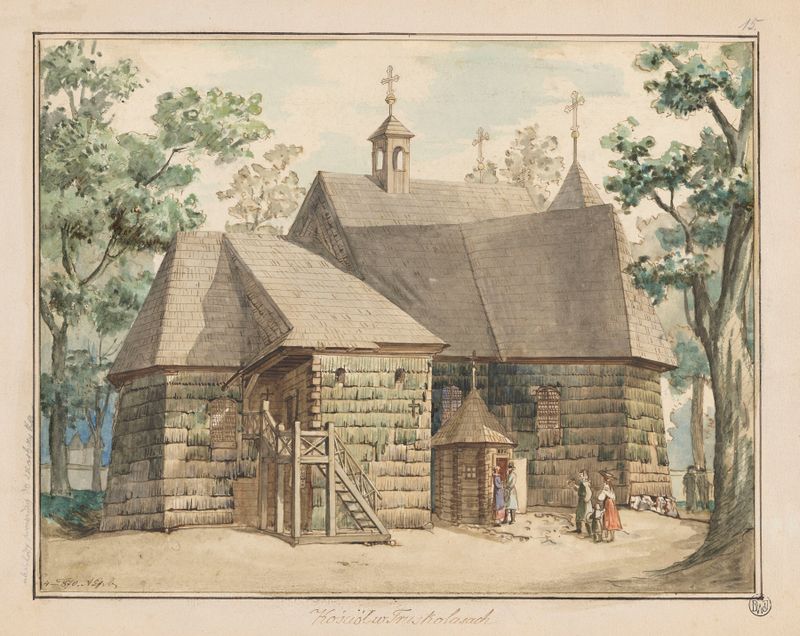
Church in Truskolasy [Exterior View of the Church of St Nicholas]
Adrian Głębocki
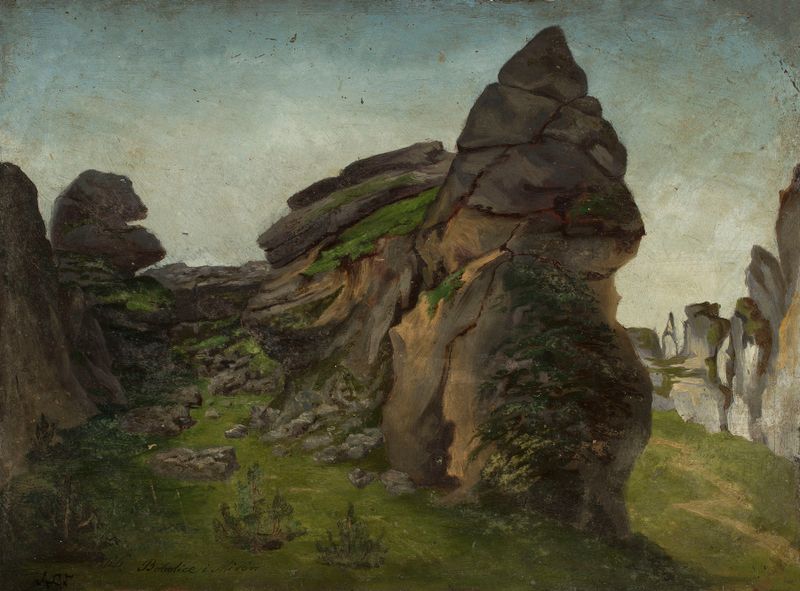
Landscape – Bobolice and Mirów
Adrian Głębocki
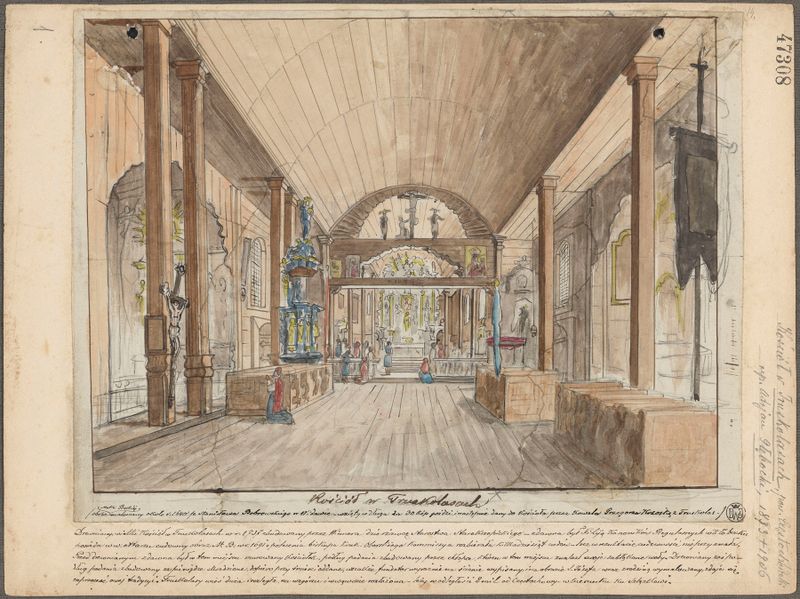
Church in Truskolasy [Interior of the Church of St Nicholas]
Adrian Głębocki
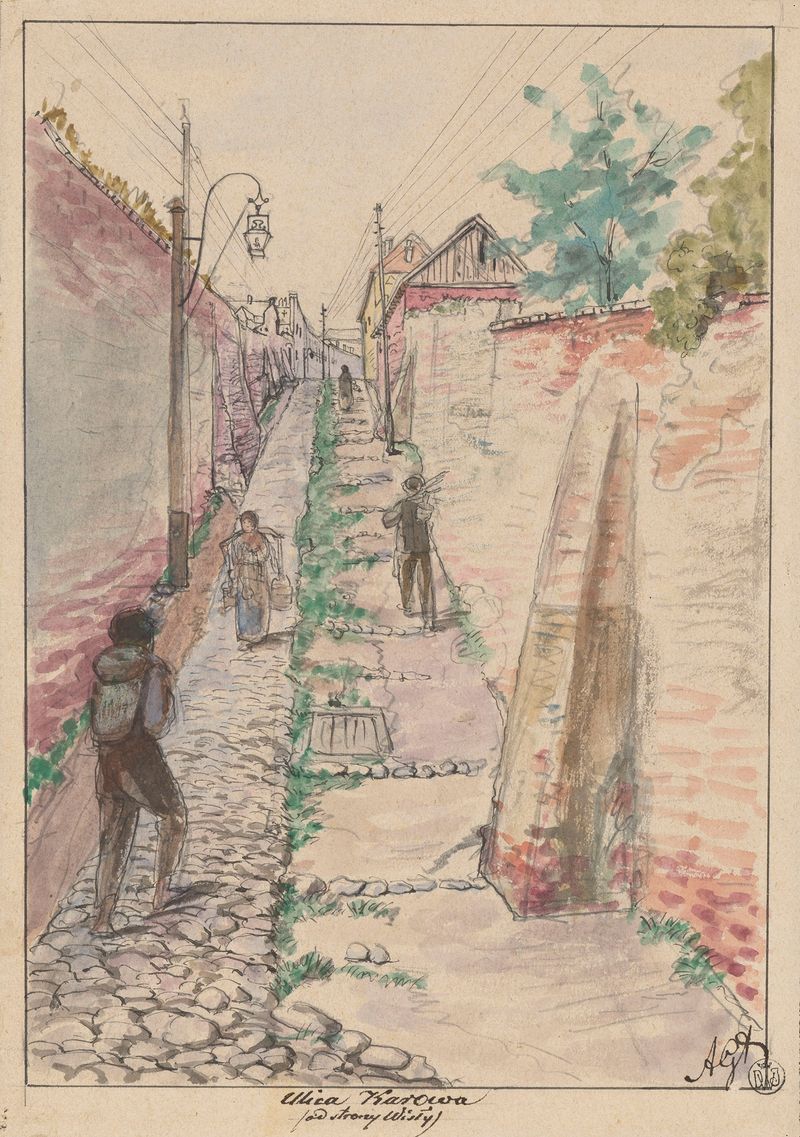
Karowa Street
Adrian Głębocki
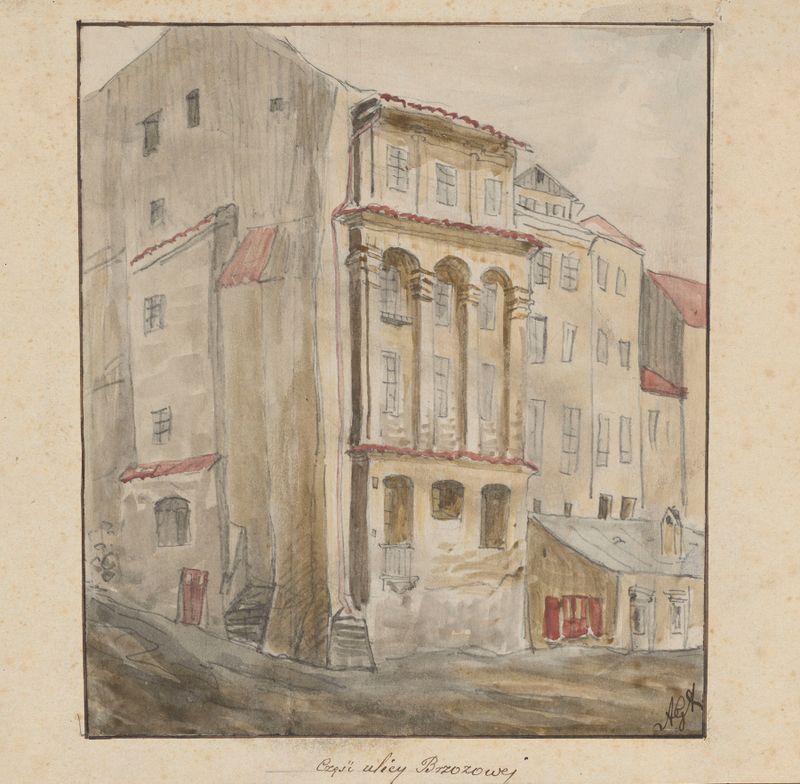
Part of Brzozowa Street
Adrian Głębocki
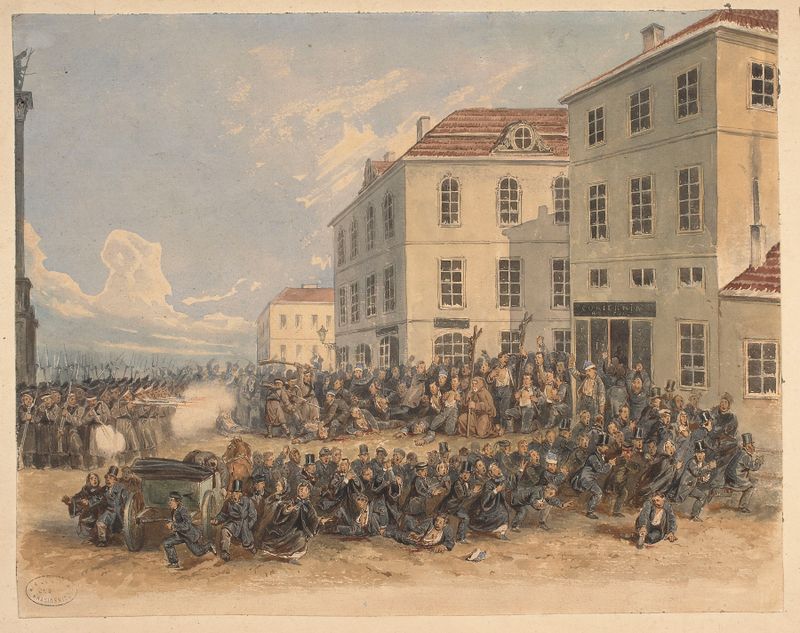
Walki uliczne na Placu Zamkowym w Warszawie 8 kwietnia 1861 roku
Adrian Głębocki
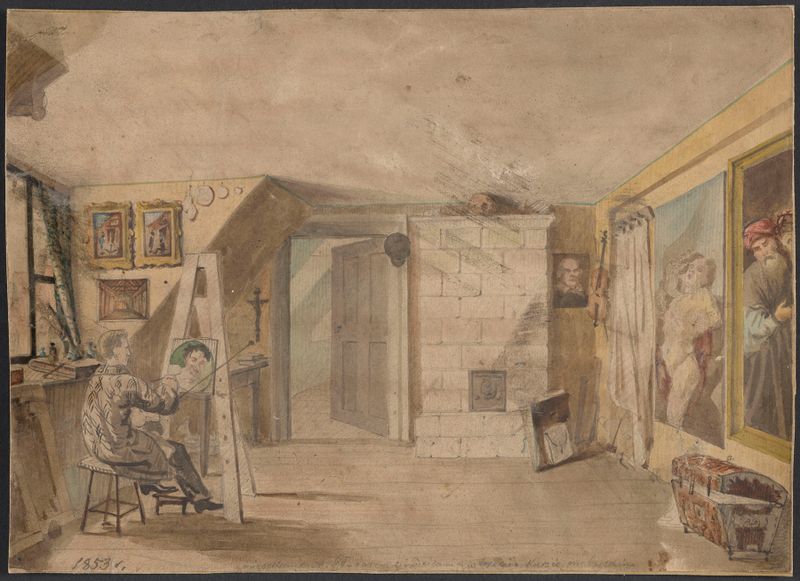
Artist in His Studio
Adrian Głębocki
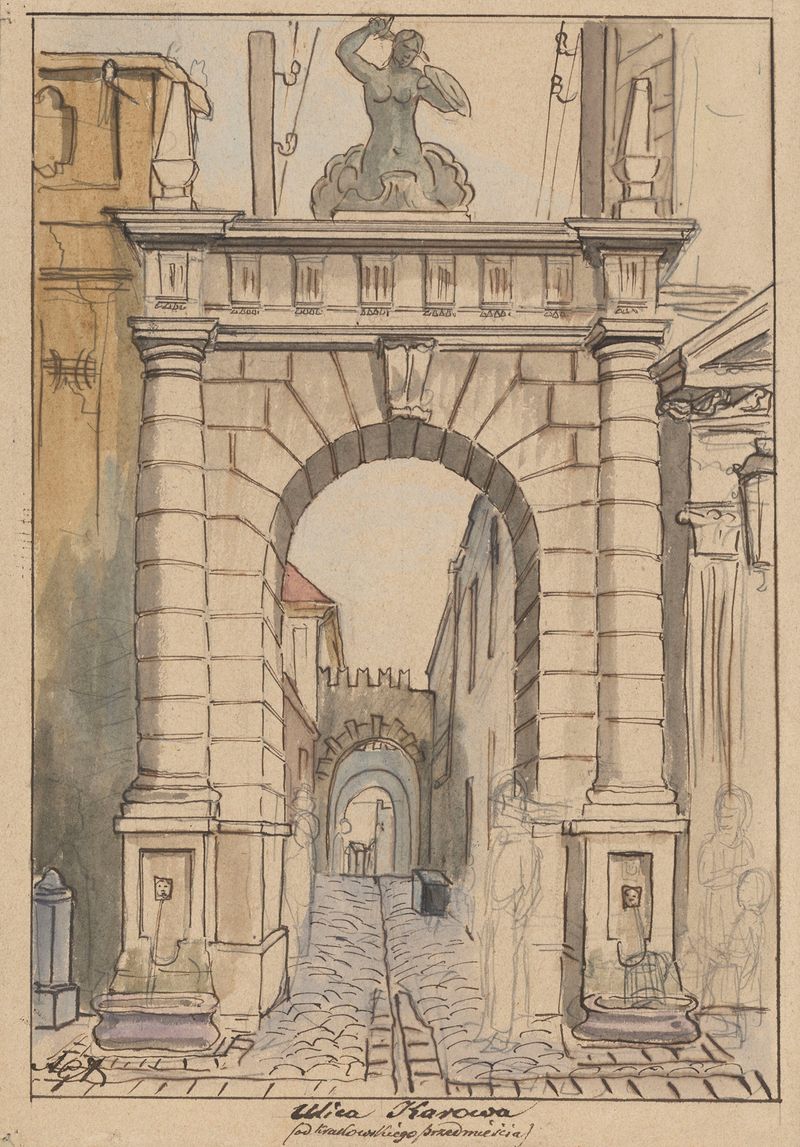
Karowa Street
Adrian Głębocki
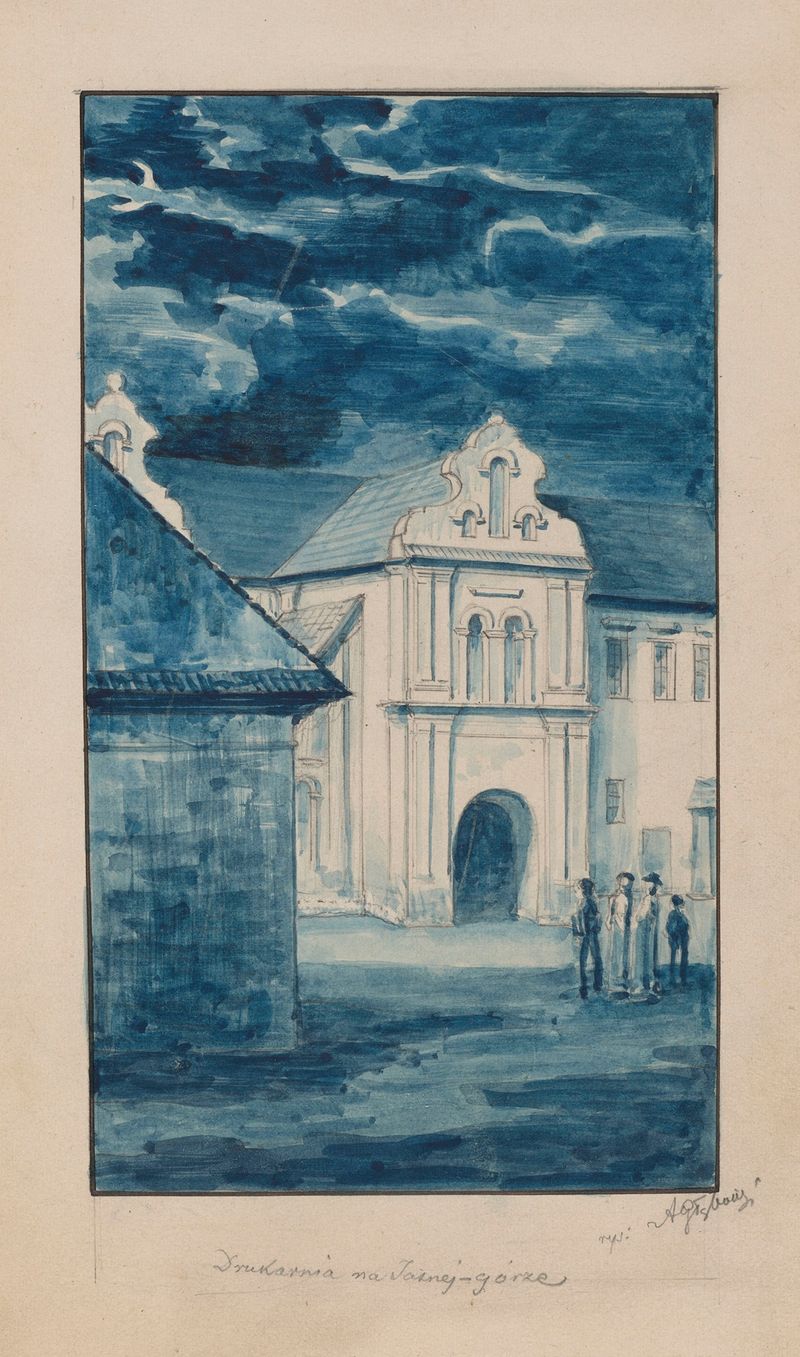
Printing House at Jasna Góra
Adrian Głębocki
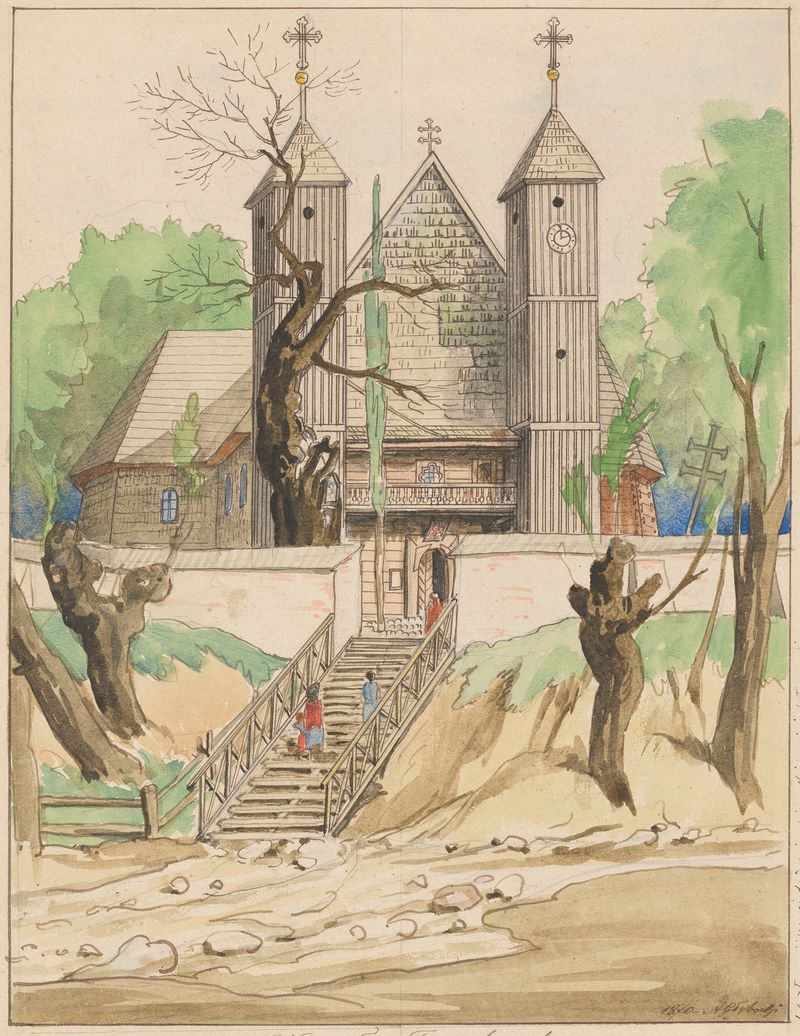
Church in Truskolasy [Exterior View of the Church of St Nicholas]
Adrian Głębocki





