
Landscape with Trees and Figures — History & Facts
It whispers of the ecstasy hidden within nature’s embrace, where the mundane coalesces with the sublime. In Landscape with Trees and Figures, a dance of light and shadow unfolds, inviting contemplation on the profound that lies beneath surface beauty. Look to the foreground, where figures meander amidst a grove, their silhouettes softened by the warm glow of the setting sun. Notice how the trees rise like sentinels, their textured bark contrasting with the fluid strokes of the sky.
The palette is a symphony of greens and golds, each hue blending seamlessly to create an atmosphere of serene harmony, drawing the viewer’s eye toward the horizon where earth meets ethereal light. Yet, the beauty is not without tension. The juxtaposition of the wild, untamed forest against the human figures suggests a relationship between man and nature that is both intimate and fraught. The stillness of the trees speaks of time standing still, while the figures, caught in motion, hint at transient moments of joy and connection.
It’s a visual meditation on the ephemeral nature of existence, where every leaf and shadow becomes a vessel of emotion. In 1796, Turner painted this piece during a formative period in his career, while still establishing his identity as an artist. Living in London, he was influenced by the Romantic movement that celebrated nature’s beauty and chaos. The world of art was shifting, and Turner’s innovative approach to light and atmosphere would soon pave the way for future movements, marking the beginning of a legacy that would define landscape painting.
More Artworks by Joseph Mallord William Turner
Browse all →
Dort or Dordrecht- The Dort Packet-Boat from Rotterdam Becalmed
Joseph Mallord William Turner
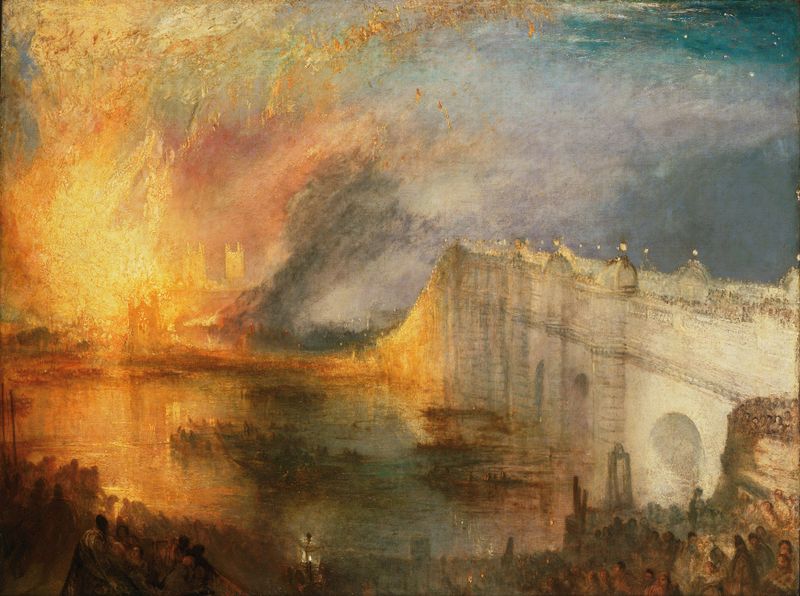
The Burning of the Houses of Lords and Commons, October 16, 1834
Joseph Mallord William Turner
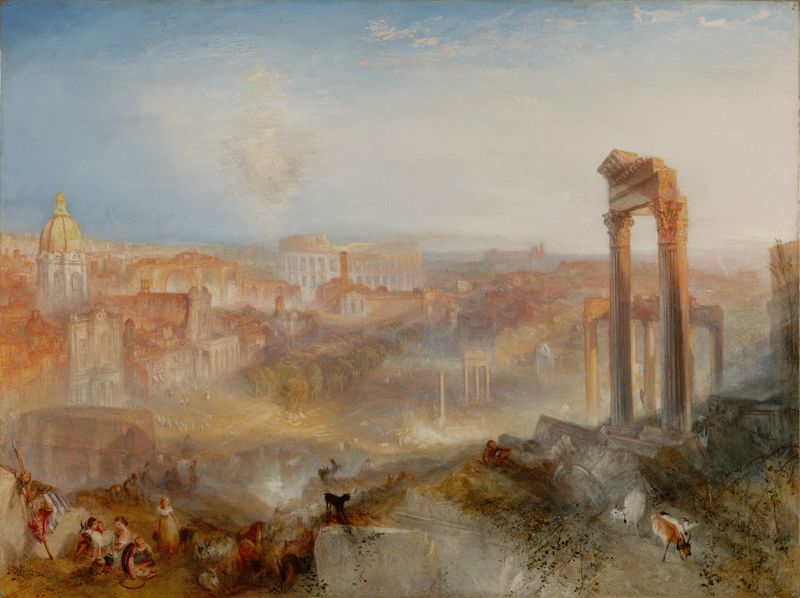
Modern Rome – Campo Vaccino
Joseph Mallord William Turner
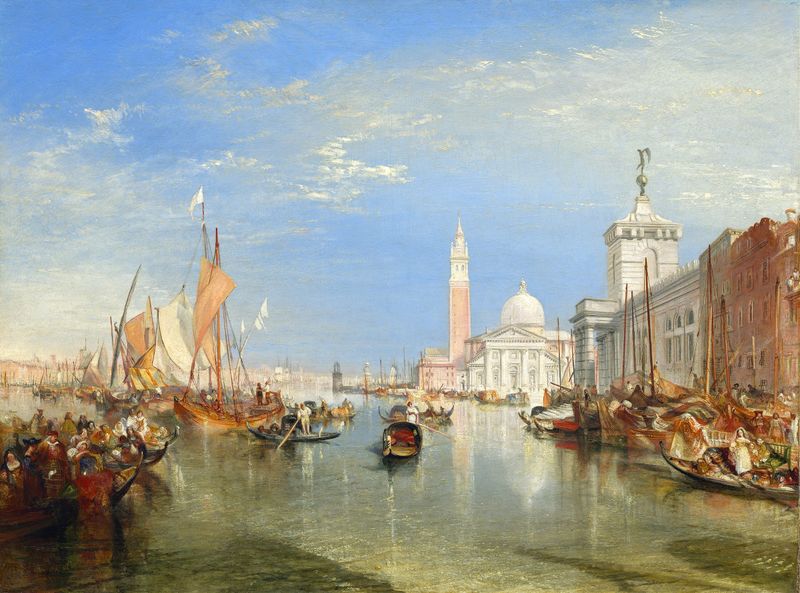
Venice – The Dogana and San Giorgio Maggiore
Joseph Mallord William Turner

The Burning of the Houses of Lords and Commons, 16 October 1834
Joseph Mallord William Turner
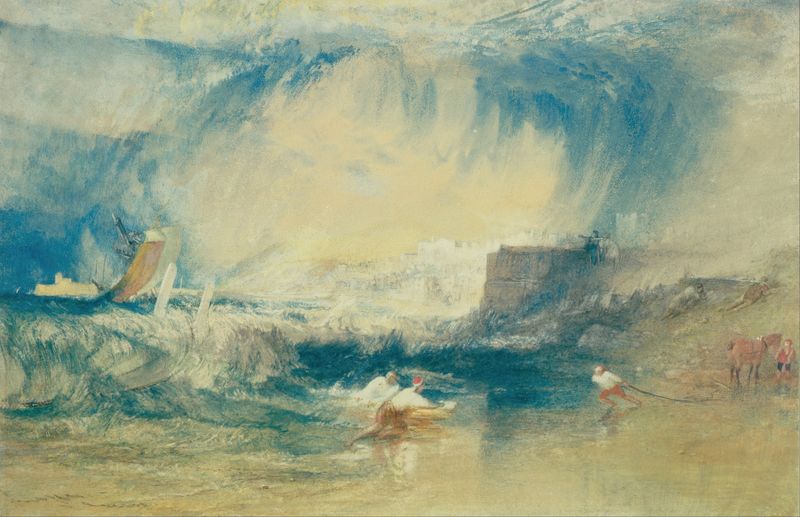
Lyme Regis, Dorsetshire, England
Joseph Mallord William Turner
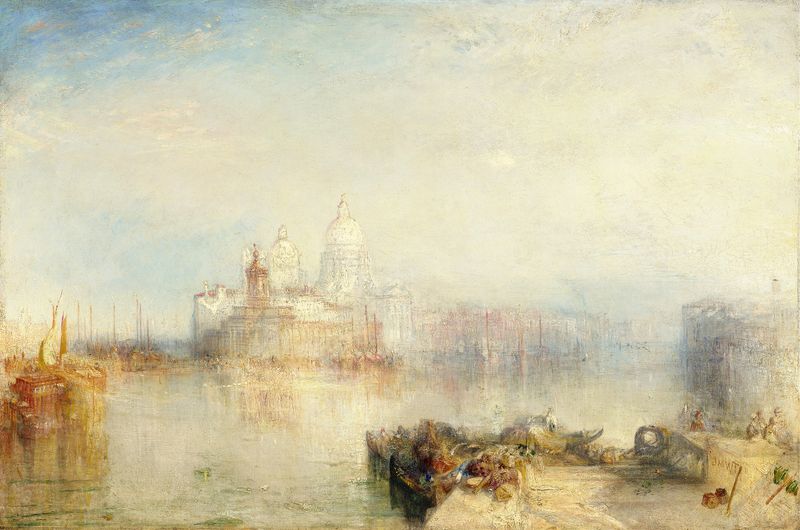
The Dogana and Santa Maria della Salute, Venice
Joseph Mallord William Turner
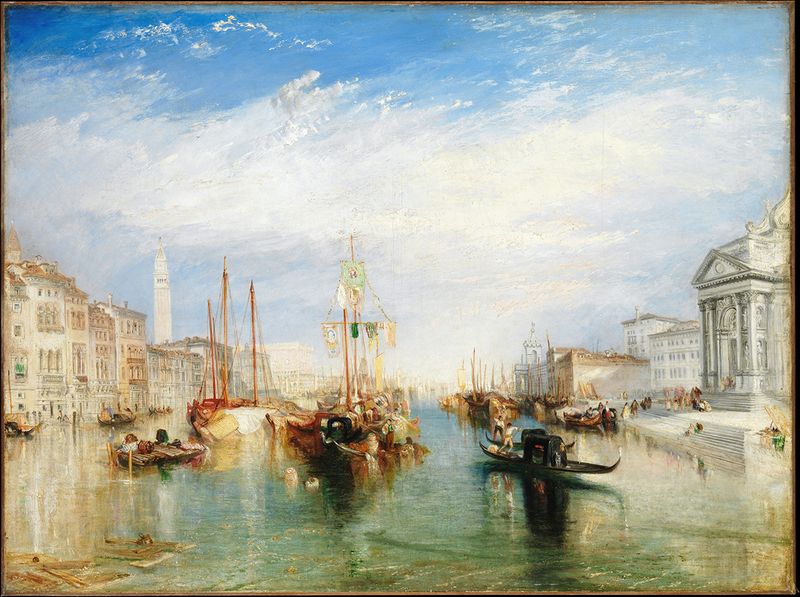
Venice, from the Porch of Madonna della Salute
Joseph Mallord William Turner
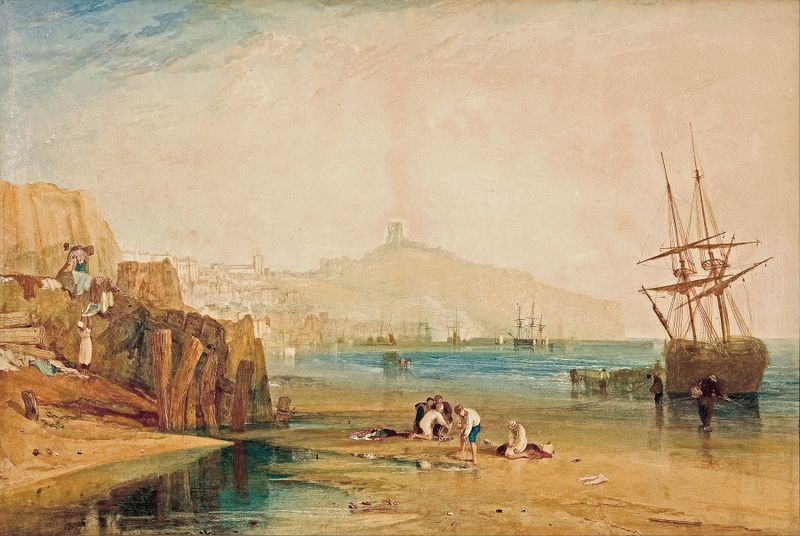
Scarborough town and castle; morning; boys catching crabs
Joseph Mallord William Turner
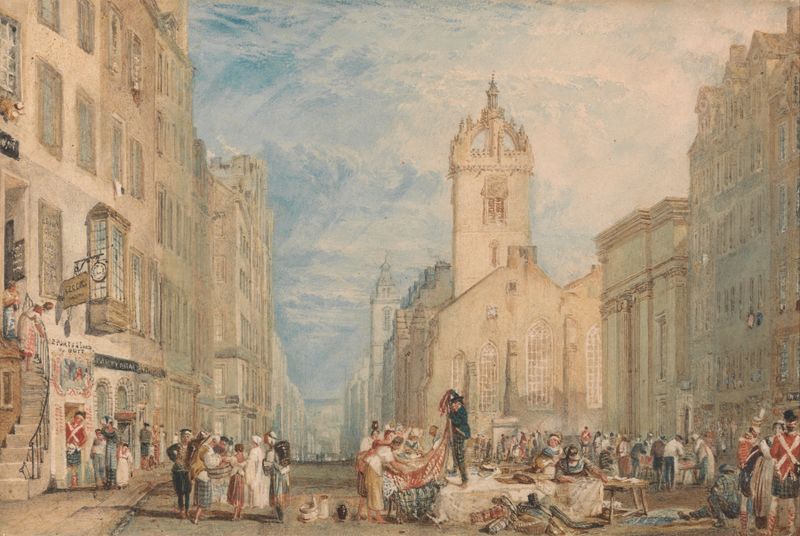
High Street, Edinburgh
Joseph Mallord William Turner





